The San Juan Islands offer boat-in and hike-in tent campsites near Blaine, Washington, with most requiring visitors to navigate the Puget Sound waters. Several small state park islands feature primitive camping with minimal facilities at elevations rarely exceeding 200 feet. Summer high temperatures typically range from 65-75°F, while late fall brings increased rainfall and temperatures in the 40-50°F range.
What to do
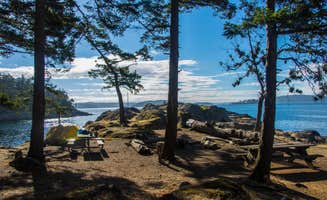
Explore tide pools: At Clark Island Marine State Park, the large rocky beach provides excellent opportunities for exploring marine life. One camper noted that despite being "right on a major shipping channel," the island offers "short hikes, wildlife viewing options" that "make it worth it."
Jump off docks: Matia Island Marine State Park features a dock that one visitor described as "incredibly fun to jump off of" with a "comfortably slopped rock beach" perfect for water access. The island also has "a single mile-long hiking trail through an old growth forest that, unlike other islands, wasn't destroyed by the settler loggers."
Kayak between bays: Many campers recommend paddling between coves when staying at Sucia Island Marine State Park. One visitor shared, "There are only several hundred feet between Shallow Bay and Echo Bay which means you can easily carry kayaks across rather than paddle around the island."
Night sky viewing: The outer islands offer excellent stargazing opportunities. At Patos Island, campers "watched the barges go past in the night" while enjoying stellar views. The campsite layout allows visitors to camp "right out in the open" for unobstructed sky viewing.
What campers like
Wildlife encounters: Clark Island Marine State Park provides opportunities to see marine mammals. During a September visit, one kayaker "enjoyed an evening of humpback whales blowing in the channel to the east of me." Clark Island remains relatively undiscovered, making it a "remote, underutilized gem."
Natural cave exploration: Some islands feature interesting geological formations. At Sucia Island, visitors can climb "rocks up to find hidden caves" and wander "on a mini-peninsula and discovering quiet beaches." One camper recommends visiting "the China Caves" at Shallow Bay which "are fun to climb around in and have a fun history of hiding smugglers."
Phosphorescence viewing: Evening water activities offer magical experiences in certain locations. A visitor to Sucia Island reported that "the absolute best phosphorescence I have ever seen in my life were in Echo Bay," making evening paddling a must-do activity.
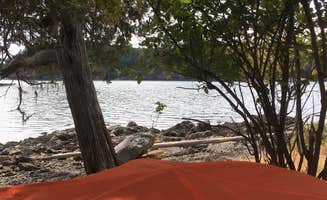
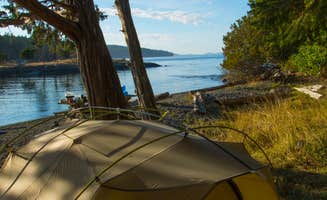
Beach access: Many tent campgrounds provide direct beach access. On Sucia Island, campers enjoy sites that are "cute, tucked away in the trees" yet still provide an "incredible view of the water and the sunset."
What you should know
Water availability: Most remote tent campsites have limited or no drinking water. At Pine and Cedar Lakes, campers must bring all their water, as there are "no toilets" or potable water sources at these primitive sites. Plan accordingly for your trip duration.
Island access challenges: Weather and tides significantly impact camping accessibility. For Patos Island, one visitor warned that "the cove on Patos boasts strong currents that require you to anchor with care if not using one of the few mooring buoys."
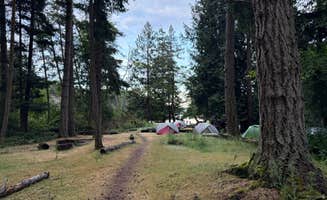
Varying campsite exposure: Site selection matters for comfort and protection. At Patos Island, "some of the campsites are rather exposed while others are well tucked into the woods," affecting privacy and wind exposure.
Insects and wildlife: Several islands have persistent bug issues during summer months. One camper at Sucia Island warned about "the amount of mosquito bites I always leave with. Repellent is a must." Similarly, at Clark Island, a visitor reported it was "oddly, the only site in the San Juan Islands in which we ran into heavy mosquitos."
Tips for camping with families
Choose short hiking distances: Obstruction Pass State Park offers an excellent introduction to backpacking. One parent shared, "My twelve year old wanted to try backpacking, but not hike too far... The hike is short, the campsites are good, and there is a pit toilet, unlike some other backpacking options."
Look for natural play features: Some campsites offer nature-based entertainment. At Obstruction Pass, "there are a bunch of fallen trees that are fun to walk on and see how far you can get before losing your balance."
Consider walk-in camping: Sites with shorter access trails provide a backpacking experience without difficult terrain. Obstruction Pass is "walk-to, about a 1/2 mile, making it a backpacking kind of overnight for kids or friends who don't want to be too far from a car and civilization."
Early arrival recommended: First-come, first-served sites fill quickly in summer. One experienced visitor suggests to "arrive early as these sites are first come first serve" and to "check for burn bans" before bringing firewood.
Tips from RVers
Alternative accommodations: While most San Juan Island sites are tent-only, Moran State Park on Orcas Island accommodates both tents and RVs. One camper noted, "The way the campsites are tiered allows for a sense of seclusion even with neighbors on all sides."
Consider ferry logistics: RVs require ferry reservations well in advance. During peak season, visitors report booking "6 months ahead of time" and dealing with "weeks of early mornings in October to get a spot."
Off-season benefits: RVers find greater availability during shoulder seasons. One visitor in February reported being "lucky enough to take an afternoon ferry and snag the LAST camp spot available here on a Sunday" despite the rainy conditions typical of winter camping.










 Scout
Scout


