Dispersed camping near Iron Gate, Virginia centers around the eastern slopes of Shenandoah Mountain and the George Washington National Forest. Winter camping presents specific challenges with trails becoming difficult to navigate after snowfall and temperatures at higher elevations frequently dropping below freezing. Backcountry sites typically require substantial hiking with limited seasonal water access during summer months.
What to do
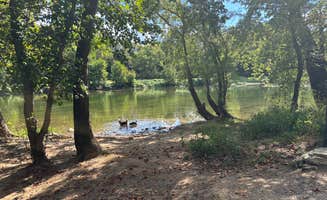
River activities: At South Fork Shenandoah River, campers can enjoy fishing and kayaking directly from their riverside sites. "The site was wonderful! Not too many spaces so it can fill up quick. There is a launch in the middle, so there is a bit of come and go," notes Sumner C.
Wildlife observation: Keep a respectful distance from the abundant wildlife throughout the dispersed camping areas. At Shenandoah National Park Dispersed Sites, you'll likely encounter various species. "Two deers came to visit us at night. Killed a cottonmouth buried it since I didn't know how to properly cook and eat it. Saw Momma and two baby black bears," reports Ashley F.
Day hiking: Many rustic camping areas near Iron Gate connect to day hiking trails with varying difficulty levels. Some popular options include Old Rag Mountain, which Anthony S. describes as "a pretty decent hike that requires a good amount of climbing and has great views at the top. There is a bathroom on the back end of the trail but it was a little dirty."
What campers like
Seasonal differences: Each season offers distinct camping experiences in the region. "As we descended from the highest elevation in late April, you would have guessed by the state of the trees that it was still winter. As we hiked down through the life zones to our first camp along Overall Run, a nearly 2000+ foot elevation change, the seasons changed from winter to spring!" writes Shari G.
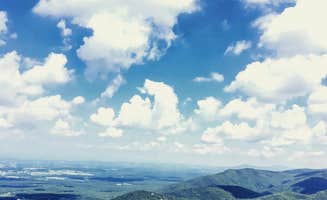
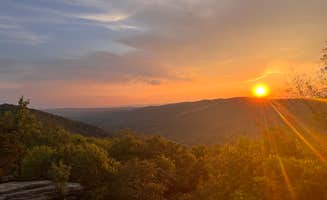
Privacy at remote sites: Veach Gap - GWNF - Backpacking Site provides secluded camping opportunities with panoramic views after a challenging hike. "Cell service at the top (not during the hike or on the road to the trailhead so prepare directions). Went up in November with beautiful weather, fall leaves changing and great company," shares TJ W.
Flexibility of site selection: True dispersed camping allows freedom to select your own spot. "These sites are backcountry meaning they are not established sites. You just wander down the trail and pick your favorite spot with consideration to not disturbing as much nature as possible. I got to sleep listening to a river all night," explains Stephanie R.
What you should know
Water availability: Pack sufficient water for your entire stay at many sites. Jon N. advises about Veach Gap: "It is about 4 miles up, so not too bad, but there is no water after the first mile. I have seen a small trickle part way up the mountain, but don't count on it. Pack up all the water you will need for the day/evening/morning."
Insects and weather conditions: Seasonal insect activity can affect camping comfort. "Bugs are hatching and abundant. While they don't seem to bite, they are annoying and will find you whenever you stop moving. The west side seemed much worse than the east side for some reason," reports one backpacker. Another camper at Compton Gap notes, "Not our favorite campground. If you're a through hiker, it'll get the job done though. There were three other people camping the night we were there. Lots of bugs."




 Guide
Guide


