Glamping options near George Washington & Jefferson National Forest span across elevations from 1,200 to 4,400 feet with diverse terrain accommodating various camping preferences. The forest region contains over 2,000 miles of streams and 40+ species of trees creating distinctive seasonal camping opportunities. Water access varies significantly between western and eastern sections, with western campgrounds typically offering more reliable water sources year-round.
What to do
Paddling adventures: 2-hour float trips at Greenbrier River Campground provide easy water access for beginners. "We loved this park. Had so much fun there. Rented tubes and floated down the river. The staff was great and the grounds well kept," notes Anthony D., highlighting the equipment rental convenience for spontaneous water activities.
Fishing for rainbow trout: The stocked waters at Douthat State Park Campground require daily fishing passes ($8) with boat rentals available seasonally. "In season the lake and creek are stocked with plenty of Rainbow trout. You can keep them for dinner if you like! Just follow all DNR laws on size and amount," advises John R., emphasizing the family-friendly fishing regulations.
Foraging opportunities: Fall mushroom hunting draws nature enthusiasts to wilderness areas. "Beautiful spot with lush foliage and fun to identify all the different types of mushrooms," shares a Little Beaver visitor, noting the educational component of wilderness exploration beyond typical camping activities.
Mountain biking challenging terrain: Technical single-track trails connect multiple camping areas with significant elevation changes. "We did a decent amount of biking here, the main road is nice for road biking, we rode out about 15 miles and back, saw a black bear. And the trails are great for mountain biking. Bring your legs, lots of climbing!" recommends Robyn S. from Douthat State Park.
What campers like
Privacy between sites: While not universal, certain loops and campgrounds offer more secluded options. At Little Beaver State Park Campground, "Sites are big and spread out. It's quiet. Walking trails all over," reports Heather H., noting that concrete pads accommodate larger rigs while maintaining a natural setting.
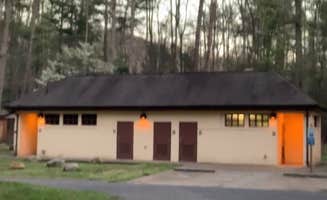
Clean bathroom facilities: Consistently maintained facilities receive frequent praise from visitors. "The bathrooms were very nice and clean! The owners were also great. It was pouring when we checked in and they gave us a different tent site than originally booked so that we had a shelter out of the rain to set up our tent," explains Melissa W. at Rifrafters Campground.
Wildlife viewing opportunities: Deer sightings occur regularly across most campgrounds, with early morning and dusk offering best viewing times. "Our site was right next to the lake and you could do float, kayak and canoe trips from the campground. There were full hook-up sites and tent sites right on the river. The sites were pretty big and most were shaded," shares Cindy B., noting the multiple recreational opportunities at waterfront locations.
Train watching: For those who appreciate industrial tourism, several campgrounds offer unique railway viewing. "Trains passing in the night are oddly soothing," notes Van M. at Grandview Sandbar Campground, offering a different perspective on what might otherwise be considered noise pollution.
What you should know
Seasonal water quality issues: During heavy rainfall periods, sediment affects drinking water at several locations. "Water slightly brown with sediment, so bring your filter," advises one camper, highlighting the importance of preparation for variable conditions.
Flash flood potential: River and stream proximity creates periodic safety concerns at waterfront sites. "This was a peaceful, nice area but when there is a lot of rain there is definitely the chance it'll flood," warns Chaz M. about Grandview Sandbar, providing crucial safety information for waterfront campers.
Road access challenges: Several campgrounds require navigating steep, winding roads that become more difficult after dark or in adverse weather. At Rifrafters Campground, "The campground is very much built into a big hill - I was a little worried our Avion that had low clearance would bottom out as we came in and out of entrance hill to road but we had no issue," shares Cassondra P., providing relevant information for RV travelers.
Cell reception limitations: Coverage varies dramatically between campgrounds and even between individual sites. "Cell reception is scarce, but that's not a problem, just an observation," notes Todd V. from Grandview Sandbar, setting appropriate expectations for connectivity.
Tips for camping with families
Playground locations: Several campgrounds feature dedicated play areas centrally located near shower facilities. "We stopped here for one night as a stop for our trip home to NY from SC. The playground was great for our daughters to burn off some energy," shares Melissa O. from Rifrafters, noting the convenience for travel-weary children.
Swimming access considerations: Beach areas often have separate day-use fees but may be included with camping permits at state parks. At Claytor Lake State Park Campground, "Lake beach passes included in price (when not under Covid restrictions). Boat rentals. Plenty clean bathrooms and hot showers," explains Michelle W., highlighting the added value for families.
Educational opportunities: Ranger-led programs provide structured learning experiences during peak season. "Claytor Lake was a great campground for families. We hiked, played at the lake and attended the roving ranger talks," shares Angela J., emphasizing the programmed activities that enhance family camping experiences.
Bear awareness: Multiple campgrounds report regular bear activity requiring proper food storage. "Beautiful park with ample size sites a little tight. Water and electric. Dump station, Canoe rentals, paddle board rentals, cabins and marina. Wonderful trails. Bear county," warns John R. at Claytor Lake, providing an important safety reminder.
Tips from RVers
Site leveling requirements: Many campgrounds feature sloped sites requiring substantial leveling equipment. "Many sites looked like it may take some work to get level. We were in site 20 with a 23 ft TT and got level fairly easily but a longer rig may have difficulty in that site," advises Adam and Suzanne B. at Little Beaver State Park.
Dump station access: Atypical configurations at some locations create maneuvering challenges. "Dump site was a little different. Had to make a uturn to get in to dump," notes Charlie W. from Little Beaver State Park, providing practical information for RV waste management.
Electric amperage variations: Most campgrounds offer 30-amp service with limited 50-amp availability. "Caution should be used with large rigs as the low-water bridge to White Oak has steep approach and departure angles," warns Jeremy W. from Douthat State Park, highlighting access limitations for larger vehicles.
Seasonal road conditions: Spring thaws and fall rains affect campground access roads differently across the region. "The hill to climb to get there is SUPER sketchy but it's a gorgeous location. If you want to go ride dirt bikes or UTVs this place is definitely the spot," comments Kaycee about Kairos Wilderness Resort, providing context for seasonal access challenges.















 Legend


