Dispersed tent camping in the Green Mountain National Forest surrounds Rochester, Vermont, providing primitive overnight options for outdoor enthusiasts. These undeveloped sites stretch along forest service roads at elevations between 1,200 and 2,500 feet, with most concentrated along riverways and brook systems. The region receives heavy snowfall from November through April, making many dispersed sites accessible only during warmer months.
What to do
Swimming opportunities: Several sites offer access to natural swimming areas. At Route 100 Dispersed Camping, campers can enjoy "right next to Mad River with a area to walk down into a swimming hole. Great place." Sites near Last Light on Michigan Brook provide access to clear running water perfect for cooling off during summer months.
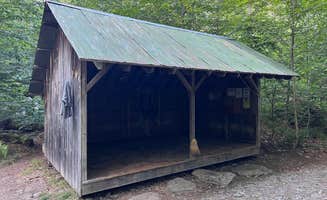
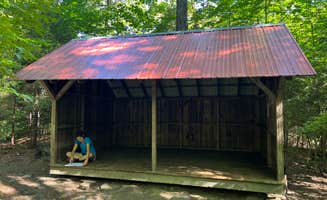
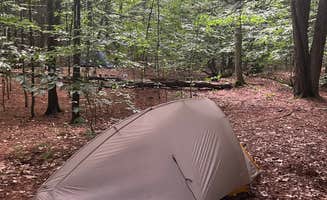
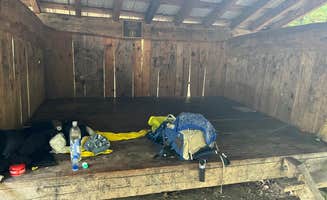
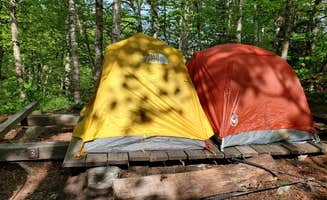
Backcountry hiking: The Appalachian Trail corridor offers extended hiking and overnight options. At Stony Brook Backcountry Shelter, hikers will find "large tenting areas where multiple tents could fit and which looked quite level" along with "a decent swimming hole to clean off a bit."
Wildlife viewing: Early mornings at forest sites provide opportunities to spot local wildlife. The forests surrounding tent sites contain diverse bird populations, white-tailed deer, and occasional moose. One camper at Bingo notes the area provides "nice area to stay in for access to the National forest" with natural surroundings.
What campers like
Riverside locations: Campers consistently praise waterside tent sites for their natural soundtrack. At Green Mountain National Forest FR25, visitors enjoy "gorgeous stream/river...love the river sounds." The sound of flowing water provides both privacy and ambiance for overnight stays.
Solitude on weekdays: Mid-week campers often find complete solitude at tent sites near Rochester. At Patterson Brookside Camp, a camper notes "mountain road lingers along the river. There's quite a few sites along the road. Be sure to camp at spots with established fire rings!" Most sites see increased use on weekends.
Established fire rings: Most primitive tent sites feature established fire rings despite minimal facilities. Multiple forest service roads contain spots with designated areas for safe fires. One visitor to Michigan Brook Road Camping mentions finding "nice little spots to hangout all day. Lots to see, and explore."
What you should know
Road conditions: Forest service roads accessing tent sites deteriorate in wet conditions. A visitor to Michigan Brook advises "Beware that in Spring the road gets muddy and quite rutted, I would not recommend driving down there with a car that is low to the ground."
No services: Dispersed camping requires complete self-sufficiency. Campers must pack in drinking water, waste disposal bags, and all supplies. At Patterson Brookside Camp, a reviewer notes "There is no electricity, no cell coverage, not outhouses in this area. Be prepared to pack out everything you bring in."
Potential closures: Forest service frequently evaluates site impacts. At Green Mountain National Forest FR25, a visitor observed "a NFS sign along FR-25 posted asking people to clean up after themselves as there'd been complaints to the extent that they were considering closing the sites if people didn't do better."
Winter inaccessibility: Most forest roads remain unplowed during winter months. A Michigan Brook Road camper reports "if you would like to continue down the service road during winter months I would highly recommend snowshoes or a snowmobile. I attempted to bring my car and was stuck overnight."
Tips for camping with families
Swimming hole access: Sites near water features provide natural entertainment for children. Route 100 Dispersed Camping offers "easy to find, quiet & scenic with the river" setting that works well for families with older children who can safely navigate natural water features.
Bear safety: Some areas provide bear boxes for food storage. At Winturri Backcountry Shelter, campers find "a great amount of tent camping around in spaces with decent privacy" along with facilities for secure food storage, important for family camping.
Nearest facilities: Know the location of nearest services when tent camping with children. Michigan Brook Road campers can find necessities nearby: "if you walk to the end of upper Michigan Brook road you will have cell phone service and a gas station along with a United States Post Office as well as a general store which also serves as a restaurant."
Tips from RVers
Vehicle clearance requirements: Many dispersed camping areas require high-clearance vehicles. When accessing winter camping at Route 100, a visitor notes "entrance and exit are a little steep and tricky in the winter, lot wasn't plowed so AWD/4x4 and good ground clearance are recommended."
Limited turnaround space: Forest roads often have minimal space for larger vehicles to maneuver. At Green Mountain National Forest FR25, a camper observed "i didn't go down a couple little gravel paths to check each spot as you couldn't turn around easily" which presents challenges for larger vehicles.
Established pull-offs: Smaller RVs can utilize established pull-offs along main forest roads. Several Michigan Brook campers mention using spots "on the road before the GPS marker" that accommodate smaller recreational vehicles with proper clearance.









 Legend


