Primitive camping near Horseshoe Bay, Texas requires careful planning due to the rugged terrain and limited facilities. The area surrounding Lake Georgetown features limestone outcroppings and juniper-covered hills with elevations ranging from 791 to 1,096 feet. Summer temperatures regularly exceed 100°F between June and September, while spring often brings flash flooding risks along the San Gabriel River watershed.
What to do
Paddle camping access: Canoeing provides an alternative entry to Walnut Springs Primitive Campground, avoiding longer hiking routes. "There was a backpacking group, a group of people who canoed in, and ourselves," notes camper Guillermo L., describing the diverse access methods used by fellow campers at this site.
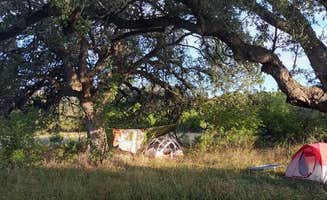
Water-edge camping spots: Some campers opt for unofficial sites near Lake Georgetown rather than designated primitive areas. One visitor at Sawyer Park Primitive Campsites reports, "We ended up camping there off Sawyer Campsite Rd. People had clearly used the shore as a campsite before as there was a makeshift fire pit and some cleared areas for tents. Water and views were beautiful."
Storm watching: Thunderstorms create dramatic viewing opportunities for prepared campers. Guillermo L. mentions, "Enjoyed our stay during a thunderstorm under the big trees," highlighting that while rain creates challenges, it also provides unique experiences for those with proper gear.
What campers like
Multiple access points: The San Gabriel River Trail system offers various entry points for hikers. "Upon entering one of the access points, park your car for free near the trailhead. It is good to advise one of the park attendants that you will be hiking or place a note inside your car that you are hiking," advises Troy W.
Weekday solitude: Visitors seeking quiet experiences should plan mid-week trips. According to Troy W., "The trail is getting more and more popular with backpackers. On weekends you may encounter scout troops practicing backpacking. During the weekdays you may not see a single person."
Diverse terrain: The landscape varies considerably throughout the trail system. Troy describes, "The trail passes through forests, grasslands, over some small hills and across a few tributaries," providing campers with changing scenery throughout their journey.
What you should know
Tent selection considerations: Weather conditions can challenge equipment. At Sawyer Park, one camper experienced, "Rain started pretty heavily (and being close to the water probably didn't help with humidity inside the tent) and our rain fly was unwilling to cooperate so we got a bit wet."
Communication practices: Notify officials about overnight plans. "It is good to advise one of the park administers that you will be hiking or place a note inside your car that you are hiking," suggests an experienced camper.
Trail conditions during rain: Most paths remain usable despite precipitation. Alexandra from Sawyer Park Primitive Campsites notes, "The home back in the rain was fine. A couple slippery spots but very doable."
Tips for camping with families
Site selection priority: Choose Walnut Springs for better facilities with children. "Large open area, four fire pits, four lamp hangers, four picnic tables, trees closer the trail and grassy areas closer to the water," describes Guillermo L., making this location more manageable for families than other primitive sites.
Distance planning: Select entry points based on children's hiking abilities. The Walnut Springs site "can be biked in from camp Tejas four miles away or can be hiked from Russell Park 2 miles away," offering options for different age groups and experience levels.
Weather contingencies: Prepare children for rapid weather changes. One camper recommends bringing extra tarps and rain gear, as storms can develop quickly in this region, especially during spring and early summer months.
Tips from RVers
Base camp strategies: Park at developed campgrounds as a launching point for primitive camping excursions. Several campers mention leaving vehicles at trailheads while backpacking to primitive sites, creating a hybrid camping approach.
Water transport solutions: Bring collapsible containers for water carry. Troy W. emphasizes, "While you may be hiking within site of Lake Georgetown, it is not always convenient to access the water. So carry plenty of water while hiking - at least 2 liters," a concern particularly relevant for families and groups needing larger water supplies.




 Legend

