Dispersed camping near Grapevine Lake offers primitive sites across 20,250 acres of the LBJ National Grasslands. This prairie ecosystem sits at approximately 850 feet elevation with oak mottes scattered throughout rolling grassland. Winter temperatures average 40-60°F while summer months regularly exceed 95°F with high humidity, requiring campers to prepare for rapid weather changes characteristic of North Texas.
What to do
Wildlife photography opportunities: The grasslands support diverse wildlife populations during different seasons. According to one visitor at LBJ National Grasslands Forest Road 904 Dispersed Camping, "See deer, armadillos, hogs, and birds." Mornings and evenings provide optimal viewing times when animals are most active.
Stargazing sessions: The remote location offers minimal light pollution for astronomy enthusiasts. As noted by one camper, "If you are there in the right time of the year, stay out late and turn off your lights- you'll get a night surprise." Hilltop sites provide unobstructed views of the night sky, with seasonal meteor showers visible throughout the year.
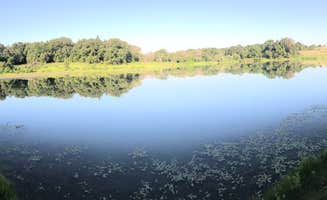
Pond fishing access: Several small ponds throughout the grasslands offer fishing opportunities. One camper mentioned, "There were some locals who came through and talked to us for a while when they were fishing in the lake." Bass and catfish are common catches, but a Texas fishing license is required.
What campers like
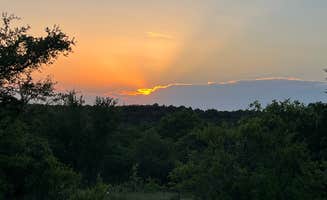
Spacious site configuration: The generous spacing between sites creates a sense of privacy uncommon in other North Texas camping areas. A visitor to Lyndon B. Johnson National Grassland Dispersed Camping noted, "Sites are spacious and we soon found a pretty great vista view from which the spectacular sunset was just a great bonus." Most sites accommodate multiple tents with room to spread out.
Scenic vistas: The rolling terrain provides elevated camping spots with expansive views. One camper shared, "Remote dispersed. Great camping for north central Texas. The sites are a good distance between them." Sunrise and sunset are particularly striking from higher elevation sites.
Cell connectivity: Despite the remote setting, cellular service remains available at many sites. According to one review, "True Dispersed Camping with the added benefit of cell coverage." This allows for emergency communication while still enjoying a wilderness experience.
What you should know
Navigation challenges: Forest service roads can be confusing without proper preparation. One camper at Dead Pump Jack advised, "Coordinates were needed but perfect. Not to far off the beaten path but just far enough." GPS coordinates or downloaded offline maps are essential as signage is minimal throughout the area.
Local interactions: Visitors occasionally report encounters with area residents. A reviewer cautioned, "This is my plea- if you come here, be respectful and clean up after yourself." Following leave-no-trace principles helps maintain positive relationships with local communities who have used these areas for generations.
Water management: No potable water exists on site, requiring advance planning. As one camper mentioned, "Only a mile drive to a pond for water for camp showers and putting out fires." All water from natural sources requires filtration or treatment before use, and bringing drinking water from town is recommended.
Tips for camping with families
Advance scouting recommended: First-time visitors should explore the area without camping equipment initially. According to one visitor, "We parked our 36' Class A on the side of FR 904, just inside the gate, unhooked our Cherokee and went to scope out the area." This allows families to find suitable spots that match their comfort and accessibility needs.
Supply preparation: The remote location requires thorough provisioning before arrival. One camper noted, "Remote, quiet, simple beauty. Easy access, cool area. Worth checking out for a low profile weekender or hike." Families should pack all food, water, first aid supplies, and entertainment as the nearest resupply point in Decatur is a 30-minute drive.
Wildlife education: Grazing cattle regularly move through camping areas and provide learning opportunities. A camper observed, "Lots of steers grazing around the area and right up to the RV most mornings." Children should be taught to maintain safe distance from all wildlife and livestock.
Tips from RVers
Vehicle size limitations: Large recreational vehicles face significant access challenges on forest roads. A camper at LBJ Grasslands advised, "I wouldn't bring anything towed or longer than a B van since there are some major ruts." Class B campervans and pickup truck campers navigate the terrain most successfully.
Campsite selection strategy: RVers should prioritize sites with adequate turning space and level ground. One experienced camper suggested, "If you have a tow vehicle, drop it just inside the gate, leave your RV and go scope out a suitable campsite, as turning around with a large rig is only practical in a couple of locations." Pull-through sites exist but are limited in number.
Water resource planning: RV campers need alternative water sources for extended stays. One camper shared, "There is also a water dispensary in Decatur which is nice and convenient!" RVers should plan for approximately 5-7 gallons of water per person per day depending on conservation measures employed.




 Guide
Guide


