LBJ National Grasslands offers dispersed primitive camping near Bowie, Texas with vast open spaces spanning approximately 20,000 acres of prairie and woodland habitat. The grasslands experience significant seasonal temperature variations, ranging from summer highs above 100°F to winter lows below freezing. Camping traffic follows predictable patterns, with higher visitation during spring wildflower season and lower usage during mid-summer heat.
What to do
**Wildlife photography: Some sites at LBJ National Grasslands provide strategic viewing locations for Texas wildlife. "See deer, armadillos, hogs, and birds," notes Tim O., highlighting the diverse species that frequent the area.
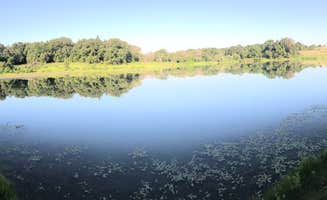
**Fishing opportunities: Multiple small ponds dot the grasslands terrain. "Only a mile drive to a pond for water for camp showers and putting out fires," reports one regular visitor to LBJ National Grasslands Forest Road 904 Dispersed Camping, indicating accessible water sources.
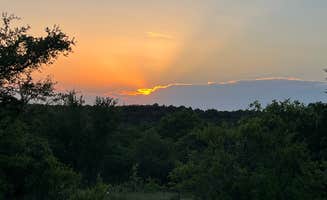
**Sunset viewing: Several campsites offer elevated positions for watching the day end. At Lyndon B. Johnson National Grassland Dispersed Camping, a visitor found "a pretty great vista view from which the spectacular sunset was just a great bonus."
What campers like
**Privacy between sites: The spacing between camping locations receives consistent praise. Ronald S. confirms this spaciousness: "The sites are a good distance between them. You can drive along the roads and look for them. We spotted 22 sites, there may be more."
**Accessible remoteness: Campers appreciate being secluded while remaining relatively close to services. "Not too far from town if you need something. There is also a water dispensary in Decatur which is nice and convenient," mentions Jennifer N. who stayed at Dead Pump Jack.
**Night sky quality: The minimal light pollution creates exceptional stargazing conditions. One regular visitor advises: "If you are there in the right time of the year, stay out late and turn off your lights—you'll get a night surprise."
What you should know
**Road conditions: Access routes require careful navigation. "Not to far off the beaten path but just far enough. I wouldn't bring anything towed or longer than a B van since there are some major ruts," cautions Joey B. about one particular area.
**Variable cell service: Connectivity fluctuates throughout the grasslands. Abraham reports "good cell service" at his campsite, while Ronald S. notes "Cell is not the best" elsewhere within the same general area.
**Preparation requirements: The absence of facilities demands self-sufficiency. "Remote dispersed. No bathrooms, water, etc. Pack in/pack out," advises a camper at LBJ National Grasslands Forest Road 904 Dispersed Camping.
Tips for camping with families
**Map preparation: Cell service limitations make advance planning essential. "Download maps before getting here. Cell is not the best," recommends Ronald S., suggesting families prepare navigation resources beforehand.
**Weekday timing: For families seeking solitude, weekday visits offer the quietest experience. "Only saw 3 other campers while we were here," notes one visitor, indicating lighter usage during non-weekend periods.
**Fire preparation: Established fire rings exist at many sites but require proper management. "Most areas have rock campfires setups that people have made," observes Griffin K., though bringing a portable fire container offers flexibility when established rings aren't available.
Tips from RVers
**Site selection techniques: RVers recommend scouting ahead before bringing larger vehicles to campsites. "We parked our 36' Class A on the side of FR 904, just inside the gate, unhooked our Cherokee and went to scope out the area," one experienced RVer advises.
**Road approach considerations: Different access routes offer varying degrees of accessibility. Michele A. shares this specific advice: "Taking the Trinity exit north off the loop around Decatur and using the navigation to the LBJ Grasslands to Park Rd 904 access was easy (& scenic)."
**Weather impact awareness: Recent precipitation affects site accessibility. "Once inside you could tell there'd been recent rain but the wet areas were easily avoided," notes an RVer, highlighting the importance of monitoring weather conditions before arrival.





 Guide
Guide


