Dispersed camping near Graysville, Ohio provides varied terrain at elevations between 600-1200 feet in the foothills of the Appalachian Mountains. Most camping areas sit within Wayne National Forest where mixed hardwood forests dominate the landscape. Winter temperatures frequently drop below freezing while summer months bring humidity levels above 70% with frequent afternoon thunderstorms.
What to do
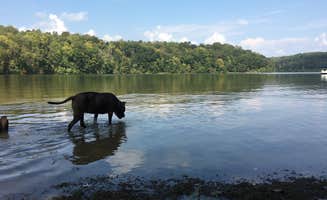
Fishing spots: Wolf Run State Park Campground offers good fishing access from shore or by boat. "Great canoe and kayak lake. Part of buckeye trail on one side of lake," notes cyndy F. The lake contains bass, crappie, and stocked trout.
Hiking options: Several trails cross through the region with varying difficulty levels. "We hiked following their trail but had to turn around as a bridge was closed. Great flowers and mushrooms and the lake was gorgeous," reports Shannon G. from Wolf Run. Most trails range from 1-5 miles in length.
Boat rentals: Seneca Lake Park Campground provides boat and jet ski access. "Views of the lake and ability to launch and dock your boat within walking distance of sites. Beach with concessions within walking distance of sites as well," writes Scott O. Kayak rentals typically cost $10/hour.
What campers like
Quieter seasons: Fall and spring offer the most solitude with lower visitation. "We love Wolf Run if you are just planning to chill at the campsite. Choose one of the 'premium' sites for beautiful lakeside views! It's pretty quiet and usually not busy," shares Rachel H.
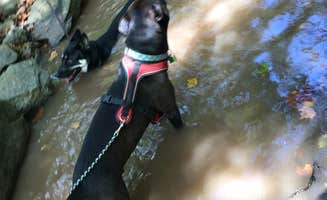
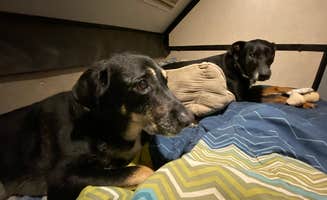
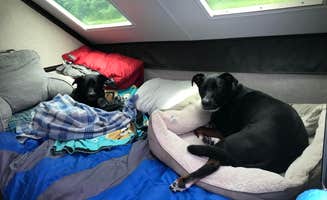
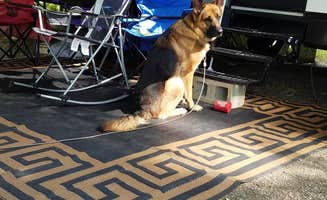
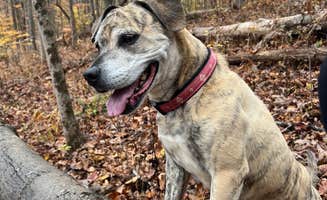
Dog-friendly accommodations: Several pet-friendly campgrounds near Graysville welcome dogs on leashes. "Weekend get away with the wife and dog. Pet friendly park. Walking path to the lake which was very close," writes Jay B. about Wolf Run State Park.
Historic structures: Hune Bridge Campground features unique architecture nearby. "Adorable little campground, with a historic covered bridge and lovely creek in the backyard. There are 4 campsites and a vault toilet that is relatively clean and well-stocked," explains Shari G. The bridge dates to the early 1900s.
What you should know
Water availability: Most primitive campgrounds lack potable water sources. "No drinking water is available, but there are creeks all around, so come prepared with a water filter!" advises Shari G. about Hune Bridge Campground. Bring at least one gallon per person per day.
Wildlife interactions: Deer sightings occur frequently throughout the area. "We see deer almost every evening," reports Darla from Shadow Lake RV Resort. This area also supports wild turkey populations and small mammals.
Cell service quality: Network coverage varies significantly across the region. "With att had 2 to 3 bars cell service," notes Joe B. about Kinderhook Horse Trail. Verizon typically provides the most reliable coverage throughout the Wayne National Forest area.
Seasonal insects: Tick activity remains high from April through October. "A lot of insects, humid and dense deciduous forest surrounding the trailhead," warns Annika E. about camping near Kinderhook Horse Trail. Bring repellent containing DEET.
Tips for camping with families
Beach access: Younger children enjoy swimming areas at certain locations. "The beach was very clean and our kids enjoyed it. Showers and bathrooms were very clean and documented inspections each day," reports Mike B. about Seneca Lake Park.
Evening activities: Some campgrounds organize scheduled events. "Saturday evening the campground provided a movie for kids. It was a very family friendly campground we are likely to return to," adds Mike B.
Playground options: Recreation areas provide play equipment for children. "Barkcamp State Park Campground has play grounds, basketball courts, a beach," notes Joshua B. Most play areas accommodate ages 5-12.
Water filtration: Teaching older children water purification skills works well in this area. "No drinking water is available, but there are creeks all around, so come prepared with a water filter!" mentions Shari G. about Hune Bridge. Most campgrounds have streams within walking distance.
Tips from RVers
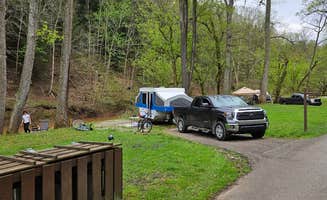
Site selection: Many campsites have significant grading issues. "We stayed in the camper cabins, which are right at the edge of the campground- we could hear the freeway (I-70) the entire time," reports Megan M. about Barkcamp State Park.
Leveling challenges: Prepare for uneven terrain at several campgrounds. "About 90% of the sites were not level (and....I mean by A LOT)," cautions Connor M. about Barkcamp State Park. Bring extra leveling blocks.
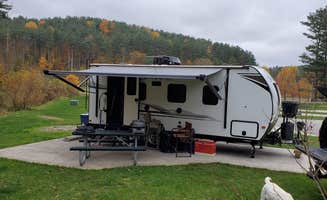
Full hookup options: Premium services exist at select locations. "Level sites with full hookups. 50amp. Plenty of space between spots," describes Scott O. about Seneca Lake Park Campground. Most full hookup sites cost $30-45 per night.
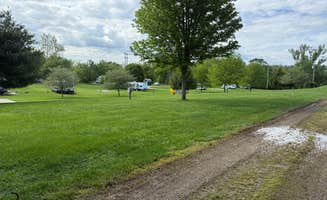
Seasonal considerations: Winter camping requires careful planning. "There are latrines located conviently in each area and a showerhouse with laundry facility. The sites are nice size, close together and not a lot of tree cover," notes Shelly S. about one dog-friendly campground near Graysville.












 Scout
Scout


