Harkers Island in North Carolina offers pet friendly camping along coastal waterways and barrier islands at elevations averaging less than 10 feet above sea level. Campers can access multiple tent and RV options within a 20-30 mile radius, with campgrounds that cater to both primitive beach experiences and more developed sites. The area experiences mild winters and hot, humid summers, making spring and fall the most comfortable camping seasons.
What to do
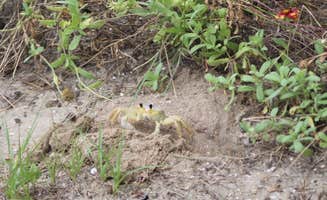
Beach hiking and wildlife viewing: At Cape Lookout National Seashore, visitors can explore miles of undeveloped beaches. "Great Island has become my family's favorite places, having The Atlantic Ocean on one side and the Core Sound on the other of this narrow barrier island is our paradise," shares Linda M. The location offers opportunities to spot native wildlife throughout the year.
Kayaking and boating: Launch directly from your campsite at Oyster Point Camp. "We were able to launch kayaks almost directly from campsite #11," notes Laura F. The waterways around Harkers Island connect to larger bodies of water like the Core Sound and Newport River, creating extensive paddling routes for various skill levels.
Fishing opportunities: The waters around Cedar Creek Campground & Marina provide excellent fishing access. "Fish were hitting 2 Klicks north of the marina," reports David B., highlighting the productive fishing grounds. The marina offers gas and convenient boat launch facilities for anglers bringing their own vessels.
What campers like
Privacy between sites: The spacing at Oyster Point Campground receives consistent praise. "Campsites are large and spread out. Logs were at each campsite when we arrived, great for firewood or for seating around the campfire," mentions Tracy R. This natural separation creates a more private camping experience for those with pets.
Direct water access: Many sites at pet-friendly campgrounds offer immediate water access. "The sites on the shore side of the campground...are the best. Sites #9 and #11 have pathways to a very small private beach," explains Roger W. These water-adjacent sites are particularly valued by campers with dogs who enjoy swimming.
Value for money: Affordable camping makes multiple-night stays possible. "At only $10 per night, the price is unbeatable for the area," writes Alexandria F. about Croatan National Forest. Similarly, Mambo M. notes, "Thanks to my Access pass camping here is just $5/night," demonstrating the budget-friendly options available for extended stays with pets.
What you should know
Weather considerations: The coastal location means weather can change quickly. "As nice as it was the first day, I had to take down my tent the next day due to the harsh winds and rainstorm," cautions Zach W. at Long Point Cabin Camp. Always secure equipment properly and have contingency plans.
Bugs can be intense: Summer months bring significant insect activity. "The flys are insane but you'll quickly learn to ignore them - aside from a few bites here and there. We smoked them out and it was fine for the most part," shares Hannah F. Pack appropriate repellent for both humans and pets.
Limited services: Many campgrounds have basic amenities only. "Area is remote. Closest shopping was more than 10 miles away," reports Tracy R. Plan ahead with sufficient supplies, especially specialty pet items that might not be available locally.
Tips for camping with families
Book waterfront sites: Sites with water views offer the best experience. "Site #15 puts you right by the water's edge, which makes for a beautiful morning view," recommends Alexandria F. These premium spots often fill quickly during peak seasons.
Pack entertainment: While natural attractions abound, bringing additional activities helps during downtime. "We rode our 4 wheelers down the 30+ mile beach. On one end of the island there's a historic museum like town and light house," shares Charli R. from Cedar Point Campground.
Visit during shoulder seasons: For more comfortable temperatures and fewer insects, consider camping in spring or fall. "No mosquitoes whatsoever in mid to late October," notes Mambo M. These periods also typically see fewer crowds at pet-friendly campgrounds.
Tips from RVers
Prepare for uneven access roads: Some campgrounds have challenging approaches. "The gravel road had a lot of ruts in it so getting my trailer with kayaks in and out was a lot of trouble," warns Laura F. Larger rigs should research site access carefully.
Limited hookups available: Many campgrounds offer partial hookups only. "The sites do not have water hook ups so make sure your RV fresh water tanks are topped off, or there are plenty of potable water points throughout the campground to fill up you jugs," advises Steve V. Plan water usage accordingly for multi-day stays.
Generator alternatives: For off-grid camping, consider solar options. "It was shady for the later part of the day (which wasn't great for our solar panels). Most sites had shade for either the early or late part of the day," reports Jody B. Position your RV strategically to maximize solar collection if using alternative power sources.













 Traveler


