Cape Hatteras National Seashore spans over 70 miles along North Carolina's Outer Banks, where the elevation rarely exceeds 10 feet above sea level. The barrier island geography creates unique camping conditions with frequent ocean breezes that affect tent camping stability. Sand management becomes a practical concern for campers at oceanside sites, where even concrete pads can quickly accumulate several inches of drifted sand during windy conditions.
What to do
Sunrise beach walks: 10-15 minute access from campsites. At Oregon Inlet Campground, the beach is accessible via short trails between sites. "I love waking up early and walking down to the beach to see the sunrise. Oftentimes I'll be the only one on the beach. I've seen lots of cool wildlife on the beach and at the nearby Pea Island Wildlife Refuge," notes Valerie P.
Lighthouse tours: 45 minutes from central campgrounds. Cape Hatteras Lighthouse is a short drive south from most campgrounds. "Buxton is worth a day trip down for an Apple Ugly at the Orange Blossom, and a tour of the Hatteras Lighthouse and adjacent National Seashore visitor center," recommends one camper staying at Oregon Inlet.
Water sports rentals: Discounts for campers. Rodanthe Watersports & Campground offers equipment for sound and ocean adventures. "They also had kayaks, surfboards and stand up paddle boards for rent! The rental hut was precious and the employee just as kind as can be," says Kirsten J. Another visitor adds, "The selection and prices are good (and half off for campers), you can launch right from your site."
Sound-side wading and swimming: Family-friendly waters. The Pamlico Sound provides shallow, protected areas for children. "Water was at perfect temperature," mentions Amber from Rodanthe Watersports. "The sound is great for wading and cooling off, especially for kids, since it's so calm and shallow."
What campers like
Concrete camping pads: Level setup on both sides of Highway 12. Camp Hatteras RV Resort offers stable sites even during coastal weather. "Our 36 ft pull behind fit perfectly on the concrete slab and was level without having to mess with anything," notes Lucy M. The pads provide stability during windy days common to the Outer Banks.
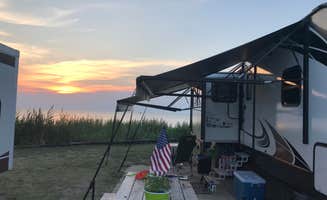
Sound-side sunset views: Best from western-facing sites. Campers consistently rate evening views over Pamlico Sound as a highlight. "Sunset in your backyard. Was definitely breezy but perfect to bring the heat down a little," reports Sarah A. at Camp Hatteras RV Resort. For peak sunset viewing, request sound-side sites when booking.
Direct beach access: No road crossing required. Cape Hatteras KOA Resort provides oceanfront camping without highway concerns. "The proximity to the beach is great. There are no roads to cross so the campground is oceanfront," explains Steve C. This access point allows for quick trips between ocean and campsite.
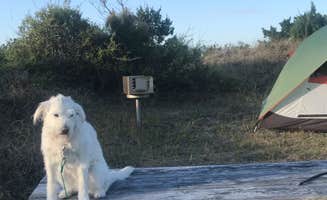
Dog-friendly facilities: Beach access and dog parks. Multiple campgrounds accommodate pets with dedicated facilities. "Dogs are welcome year round on the beach, only restriction being they have to be leashed. They are also welcome at the campground and there is a dog play area and a dog bathing area," notes Rachael H.
What you should know
Wind exposure differences between ocean and sound sites. The prevailing winds create notably different camping experiences depending on location. At St Clair Landing Family Campground, "the view of the Sound is incredible, particularly during sunset. You can watch kite surfers during the day," reports Raquel R. The sound side typically experiences less intense winds.
Limited grocery options: Plan ahead for supplies. Grocery shopping requires planning in the more remote areas. "Grocery shopping is a challenge because there is only a small convenience store and a dollar general. You need to drive 30 minutes to the grocery," advises one visitor.
Site privacy variations: Closely spaced at peak season. Most campgrounds feature open layouts with limited separation between neighbors. "There is little to no privacy/separation between sites," notes Lee D. about Oregon Inlet Campground. For more space, consider shoulder seasons or requesting end sites.
Seasonal campground closures: Most operate March-November. Oregon Inlet Campground typically closes for winter. St Clair Landing operates from "Mar 1 - Dec 1," according to their listing, with most facilities closed during winter months.
Tips for camping with families
Jump pillows and playgrounds: Kid-focused amenities. Ocean Waves Campground provides family-specific features. "There is also a small gated dog run, which is nice, because we haven't seen another one while being at the Outer Banks!! There is also a swingset - perfect for younger kids - to be able to play on just a walk away from our site!" describes Kirsten J.
Natural sand play areas: Dune access for kids. Many sites border dune systems that fascinate children. "The dunes are right next to the campsites and provided hours of fun—running, climbing, sliding, and just being wild and free," reports David N. at Oregon Inlet. These natural play areas supplement traditional playground equipment.
Beach safety consideration: Supervised swimming locations. For families with younger children, look for campgrounds with closer proximity to lifeguarded beaches. "We drove to Coquina Beach during the day for our regular beach time. It's just a 5 minute drive and has lifeguards, restrooms, etc.," advises Valerie P.
Weather preparedness: Temperature variations affect comfort. The barrier island climate can change rapidly. "Definitely stay in the fall or early Spring as it can get very hot at the campground," suggests one Oregon Inlet visitor. Shoulder seasons offer more comfortable temperatures for families with young children.
Tips from RVers
Site selection strategy: Choose sound side for wind protection. Multiple RVers recommend requesting sound-facing sites for extended stays. "We stayed on the sound side and could hear the waves crashing at night which was very relaxing," reports Lucy M. about Camp Hatteras. This positioning minimizes the impact of ocean-side winds on awnings and outdoor setup.
Concrete pad availability: Check site descriptions carefully. Some campgrounds offer concrete pads while others provide gravel or sand bases. "All sites have a big driveway and offer plenty of room to spread out," notes Jarrett from Camp Hatteras. The concrete pads simplify leveling and prevent sinking in sand.
Utility hookup locations: Vary by campground. Some campgrounds have specific hookup patterns to be aware of. "Black water hookups are on every other row," reports one Cape Hatteras KOA visitor. Check site diagrams when booking to ensure compatibility with your RV setup.





 Scout
Scout


