Ozark National Scenic Riverways camping areas span over 134 miles of protected riverway with more than 300 springs throughout the region. The Current River and Jacks Fork River form the core of this system, maintaining a year-round water temperature of approximately 58°F due to the continuous flow from springs. Camping elevations range from 600 to 1,000 feet with varied terrain that includes dense forest, limestone bluffs, and river valleys.
What to do
Spring exploration tours: 1.5-mile round trip hikes at most springs provide excellent photo opportunities. At Big Spring Campground, visitors can witness one of America's largest springs producing an average of 276 million gallons daily. "Chose this location to be our hub while completing a Missouri springs tour. Visited 8 springs in total. The grounds were well kept and all the folks working their we're courteous, knowledgeable, and helpful," notes John B.
Cave tours: Available June-October for those staying at Round Spring Campground. "Tours of the cave are given daily June through August and cost $5. The lantern tours show an amazing cave with many beautiful formations," explains Marty C. The guided tours last approximately 2 hours and require reservations during peak season.
Hiking: Moderate difficulty trails connect various parts of the riverway. "We walked through the campground past the spring and caught a little trail that hooked up with the ozark trail and had a lovely day hike around a loop. It was perfect," shares Theresa H. Most trails are under 3 miles and offer connections to the larger Ozark Trail system.
What campers like
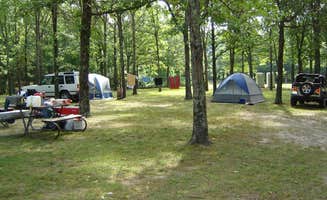
Privacy between sites: Variable based on location. Pulltite Campground offers some of the more secluded options. "The closer you stay toward the camp hosts and the store, the more crowded the sites are. But if you get down the road farther, the camp sites space out a bit more and offer some privacy. Some sites even have immediate river access," explains Ellen F.
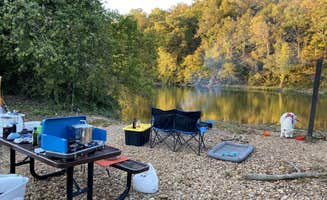
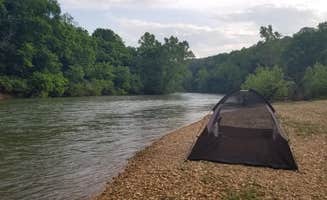
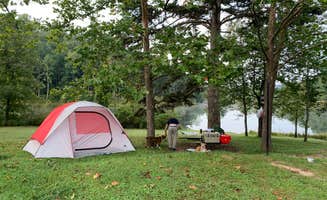
River sounds: Audible from many sites. Two Rivers Backcountry Camping provides direct waterfront access. "We had a section of the river to ourselves and it was a large private spot. The water is spring-fed and very clear and beautiful. Hearing the sounds of the river and the chirping birds at night was amazing," says Jade G.
Wildlife viewing opportunities: Early mornings best. Multiple species can be spotted throughout the region. "You may get lucky and see otters on your way to the spring, or some of the wild horses in the area. Go in the early morning to the spring trail to watch the mist roll off the water and enjoy the wildlife - so otherworldly," recommends Lea B.
What you should know
Road conditions: Four-wheel drive recommended for remote sites. Access to Log Yard Campground requires crossing potential water hazards. "4 wheel drive is recommended. You have to cross a creek to get to this location. If the weather moves in, it would be wise to pack up and move out while you can. If the creek comes up, you may not be able to cross it again," cautions Joseph A.
No cell service: Plan accordingly. Most riverway campsites have zero connectivity. "There is no cell service available, so make sure you have made reservations before you get here. Closest cell service is up the road at Echo Bluff State Park," advises Lea B.
Weather impacts: River levels can change rapidly. Camping areas sit on flood plains that may require evacuation during heavy rains. "The campground is located on the flood plane, heavy rain may cause flooding and evacuation," warns Joel R.
Bathroom facilities: Varies by location. Some areas have full facilities while others offer only vault toilets. "This is a primitive campsite area which is adjacent to the river with boat ramp and trail to a nearby spring. There are no amenities except what you bring with you," explains Shelly S.
Tips for camping with families
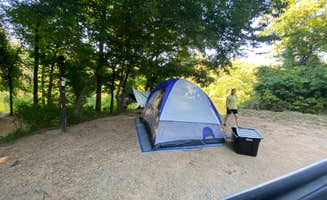
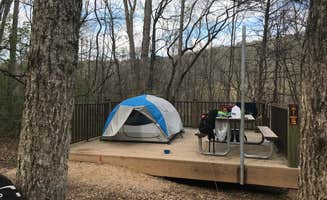
Tent sites: Reserve ahead for level spaces. Echo Bluff State Park offers family-friendly camping with clean facilities. "This campground has full amenities. Clean bathrooms and showers. Firewood available for purchase and even WiFi. The WiFi doesn't reach the primitive campsites but that was perfect for us to unplug! It was a great place to take our kids," suggests Stephanie W.
Wildlife awareness: Educational opportunity. Teach children about local species including armadillos, raccoons, and seasonal birds. "If you're lucky, you may see the local elk herd. They reintroduced elk in this area a few years ago," notes Joseph A.
Timing: Mid-week visits for fewer crowds. Summer weekends fill quickly, particularly at river access points. "We spent 3 week days camping here in our camper van. We snagged a spot with a river view. When we were there in April there were only a handful of other campers there and we had tons of quiet and privacy, however, I imagine during the summer it fills up," observes Theresa H.
Tips from RVers
Site selection: Verify access before booking. Not all campgrounds accommodate larger rigs. "We had several family's camping and had taken almost a whole loop. We had everything from tent campers to large motor homes," shares Cathy S.
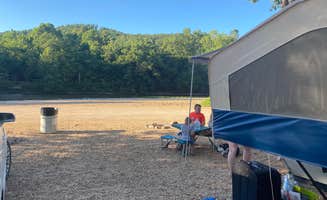
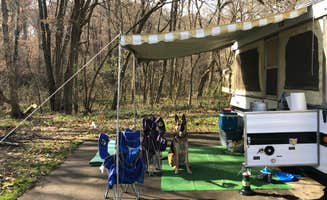
Water and electric: Available at select sites. Harveys Circle B Campground offers hookups for RVs. "Super clean campground. Great swim area. Shower house is basic. We stayed in our RV on a spot with river view. Was really nice! Site 148 has standing water when it rains, but that was the only wet spot in the RV areas," notes Laura.
Dump stations: Limited availability. Check locations before arrival as not all campgrounds provide this service. "There is a dump station and fill your tank before arriving. There is a dump station," advises Joel R. when discussing Round Spring Campground's facilities.





 Guide
Guide


