Dispersed camping near Ozark National Scenic Riverways offers varied terrain across elevations ranging from 600 to 1,200 feet. The region experiences humid summers with temperatures often exceeding 90°F and mild winters with occasional freezing conditions. Creek crossings throughout the area can fluctuate dramatically after rainfall, transforming shallow crossings into impassable barriers within hours.
What to do
Swimming in spring-fed waters: Blue Spring Backcountry Camping provides direct access to some of the coldest swimming holes in Missouri. "Blue Spring is beautiful and cold! Aside from the over zealous teenagers jumping into the spring it was a nice visit," notes one camper who appreciates the refreshing waters.
Fishing for native species: Anglers find success at McCormack Lake Recreation Area where bass and panfish are common catches. A reviewer mentions it's "A really nice place to go hang out" with "great fishing" opportunities throughout the warmer months.
Wildlife observation: The forests and waterways host diverse wildlife including reintroduced elk. At Little Scotia Pond, campers report seeing "several deer, a couple beavers in the pond, raccoons, and on the last day a bear and 2 cubs," making it an excellent location for nature enthusiasts who maintain safe distances.
What campers like
Solitude and silence: Many dispersed sites throughout the region offer remarkable privacy. At Sunklands Conservation Area, visitors report "saw no other people and only heard nature and airplanes," making it ideal for those seeking true isolation.
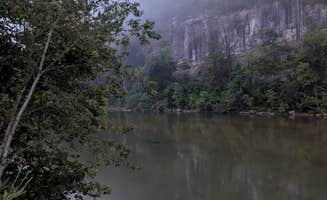
River access and boat launches: Whitten River Access provides convenient entry points for watercraft. "It has river access via a boat ramp and 'dock'. There are several level, clear places to camp with enough room for RVs," explains a kayaker who regularly uses this site as a base for trout fishing trips.
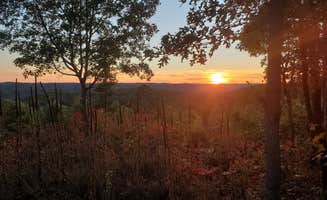
Star-gazing opportunities: The minimal light pollution at remote sites creates outstanding night sky viewing. At FS-2363 Dispersed Camping, "Being that far from civilization, there was no light pollution so seeing the stars and getting some night photos is possible," according to one solo camper.
What you should know
Cell service limitations: Most backcountry campsites have unreliable or nonexistent coverage. One camper at Little Scotia Pond 4x4 Dispersed Site warns, "AT&T service was spotty - basically nonexistent. So if you're looking for a place to escape and unwind, this is a great location."
Wildlife concerns: Bears are present throughout the region. A camper at FS-2363 reports, "Saw an adult black bear when we left, only about 0.5 a mile from camp. Ran across the road in front of us. Keep that in mind!"
Payment systems challenges: Some sites require payment through QR codes that can be difficult to use. At Blue Spring Backcountry Camping, "They have a QR code on each picnic table so you can book your site through the state and pay $10 to Camp but there's no service in that area so I'm not sure how they expect us to be able to do that."
Seasonal closures and fee changes: Camping fees at many sites are suspended during winter months. One visitor noted at Blue Spring Backcountry Camping, "It turned out that this was the first night that camping fees were suspended for the winter season."
Tips for camping with families
Bring water recreation gear: The clear rivers provide excellent swimming opportunities for children. At Cane Bluff River Access, visitors enjoy "crystal clear and cool" water where "you'll see some bats too! Think they really helped keep the bugs off us all weekend."
Pack tick prevention supplies: The area has significant tick populations, especially in warmer months. One camper at Little Scotia Pond 4x4 Dispersed Site warns, "Be mindful that it is tick season now. We had a few on the dog by the end of the first day."
Consider weekday visits: Weekend crowds can drastically change the experience. One visitor to Blue Spring Backcountry Camping advised that while weekends are "overwhelmingly noisy and busy," those who "can get a chill few days in the week" will find "it's really wonderful and peaceful."
Tips from RVers
Access road conditions: Many primitive camping areas require careful driving. For Murphy Overlook, one camper advises, "I'd recommend something AWD or be comfortable with momentum style driving, don't need clearance just need the traction on some of the hills."
Limited turning radius: Several backcountry sites have minimal space for maneuvering larger vehicles. At Murphy Overlook, campers warn both sites "are very small where only expert drivers can turn around a trailer."
Generator etiquette: In close-quarters camping areas, generator noise can disturb the natural environment. One camper at Log Yard Campground noted, "The only annoying thing was that when I stayed with my tent on the rocks by the water, all the way at the end, I could still hear the person at the very first campsite with RV generator humming very loudly and it took away a lot of the ambiance of the place."







 Traveler


