Voyageurs National Park spans over 218,000 acres in northern Minnesota with 40% of the area covered by water bodies, creating a unique camping landscape where many sites can only be reached by boat. The park contains over 500 islands and 655 miles of undeveloped shoreline across its four main lakes: Rainy, Kabetogama, Namakan, and Sand Point. Winter camping remains available at select locations when temperatures regularly drop below 0°F from December through February.
What to do
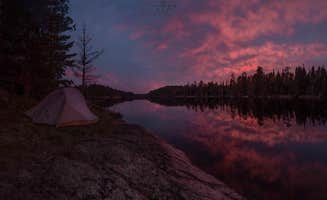
Boat to island campsites: Experience the park's signature camping by accessing island-based sites. According to one visitor at Voyageurs National Park Backcountry Camping, "Nothing is better then boating out to a campsite miles away! This was the third time being to voyageurs and nothing comes close to the camping here. If you can handle roughing it and have a boat this is the place to visit."
Visit historical sites: At Woodenfrog Campground, campers enjoy nearby history. "Woody campground with large, well-spaced sites perfect for tents or RVs. There's convenient overnight parking for boaters and easy lake access. Fishing was excellent, and the nearby historical site added a fun and educational touch to our trip," notes one reviewer.
Stargazing opportunities: The park is Dark Sky Certified, making nighttime viewing exceptional. A camper at The Pines of Kabetogama Resort states, "We saw bald eagles fly by every afternoon. This is a night sky park, so they ask you to turn off your outside lights after quiet hours. Everyone we camped by did this & it was appreciated."
What campers like
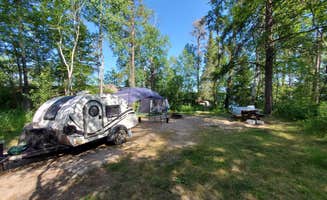
Privacy between sites: Many campers value the separation between camping spots. A visitor at Woodenfrog Campground reports, "The campsite was tucked in the trees with all the things you expect. Fire ring, picnic table, etc, and many of the sites (this one too) were so tucked in the trees it was hard to see neighbors. Lots of space, not too close together!"
Abundant wildlife viewing: The park's diverse ecosystem supports numerous wildlife encounters. "We kayaked to Bittersweet Island and got out to stretch in a cove. Took a dip and relaxed. There are some leeches in the water so check you feet if your walking around in it. Got a nice juvenile Eagle picture here on was sitting in a tree," notes a visitor at Arrowhead Lodge.
Protected boat docking: Many sites include secure places for watercraft. At Johnson Bay N13, "Kayak/canoe landing area is protected from the main channel/wind, can accommodate multiple boats with ease, and is just a short 'schlep' up the stairs to the campsite. We stayed here 1 night in early May and saw just a couple of boats the entire time. We fell asleep to loons and owls calling in the night."
What you should know
Navigation requirements: Water travel requires proper equipment. A camper at Voyageurs National Park Backcountry Camping advises, "Get a detailed chart before attempting to navigate the lake, as the twists and turns and hundreds of islands can be quite confusing without one."
Self-contained camping needs: Most backcountry sites have minimal facilities. "A dock, a fire ring, two bear proof lockers- what more could you want? We had a great week, despite some rough weather (or maybe that added to the experience)," reports a visitor to Voyageurs National Park Backcountry Camping.
Water hazards: Be aware of underwater obstacles when boating. "Lake Kabetogama is big with many islands. It can be shallow in places with big rocks submerged out of the water so know where your going. Being in a Kayak you could really see the rocks," notes one Arrowhead Lodge camper.
Tips for camping with families
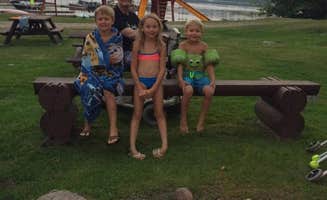
Choose sites with beach access: Some locations offer safer water entry points for children. A visitor to Ash River Campground mentions, "Pretty view of the lake from our site. We paid $17 for the night, which I found to be kind of pricey for a primitive spot, but I don't mind supporting these campgrounds."
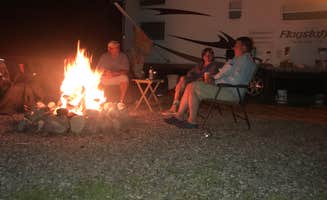
Consider group campsites: For larger family gatherings, dedicated group areas work well. At Rainy Lake Group Campsite, one camper shared, "Excellent way to spend five days with close friends, especially at these prices. Playing cards around the fire, homemade granola and bladders of wine. We were the loudness things around."
Look for established traditions: Some campgrounds foster multi-generational experiences. A visitor to Ash River notes, "Every since I was a baby, my family has been camping on Ash River. The local business owners are extremely friendly and helpful. The wildlife here is amazing. Every night you can hear wolves off in the distance howling."
Tips from RVers
Select appropriate campground locations: Not all areas accommodate larger vehicles. A visitor to Kab-Ash Trail reports, "No established sites here - just a trailhead lot. Stayed a night without issue though. Mosquitoes are nuts but that probably applies anywhere in this area."
Check hookup availability: Full-service sites are limited but available. At The Pines of Kabetogama Resort, "Up on top are the 26 cliff sites which are really nice! All full hookup. With only 2 of the toilet/shower combos. They're checked frequently. We were at site 10, which offers a partial view of the lake."
Consider seasonal timing: Most RV sites operate within specific timeframes. One camper at Ash River Campground notes, "This campground is about as close as you can get to the Ash River Visitor center of Voyageurs National Park. Full hookups, good spacing, clean bathrooms and showers. Friendly owner."







 Guide
Guide


