Bigfork, Minnesota camping destinations sit within the Chippewa National Forest at 1,390 feet elevation. Surrounded by more than 1,300 lakes and 925,000 acres of forest land, the region experiences short summers with daytime temperatures averaging 76°F in July. Winter camping isn't common due to temperatures regularly dropping below 0°F from December through February.
What to do
Fishing at multiple lakes: North Star Lake within Chippewa National Forest offers diverse fishing opportunities with several distinct bays. "We spend many hours fishing the many different bays of North Star Lake with luck catching Muskies," notes a North Star Campground visitor. The campground provides some sites with private lake access via staircases.
Hiking forest trails: The Chase Point Trail at Scenic State Park features a narrow peninsula that extends into Coon Lake. A visitor to The Lodge Campground reports, "The chase point trail is a must see! The campsites in the Lodge campground seemed small, site was all gravel not great for tent unless you bring thick sleeping pads." Several additional hiking trails connect throughout the park's 3,700 acres.
Water sports rentals: Rental options for kayaks, canoes and paddle boards are available at Scenic State Park. One camper mentioned, "We rented boats - canoe, two kayaks, and a paddle board - from the park office, which was very fun! Our kids had a blast trying them all out." The rental station operates daily from Memorial Day through Labor Day, with hourly and daily rates.
What campers like
Lakefront access: Many campsites offer direct water access. At McCarthy Beach State Park, a visitor noted, "The site was lovely! I stayed at #48 and it was nice and level," adding that "the lakeside trail was very pretty!" Multiple RV campgrounds near Bigfork feature waterfront sites with boat access.
Quiet, secluded atmosphere: Low visitor numbers, especially during weekdays, provide peaceful camping experiences. One Prairie Lake Campground visitor described the setting as "Very green and full of trees. Park is clean," while another praised its "great area for both boats and swimming!" The campground operates from May through October.
Wildlife viewing: The area's lakes and forests support diverse wildlife, particularly loons. A visitor to McCarthy Beach State Park shared, "Nothing says Minnesota like the call of the Loon and that's what greeted me upon arrival at my site!" Morning and evening hours offer the best wildlife viewing opportunities.
What you should know
Water quality varies: Some campgrounds have water restrictions or quality issues. At McCarthy Beach State Park, a camper reported, "There were temporary problems with the drinking water on the whole campground - couldn't brush teeth with sink water, and had to go to the dump station to fill up from the one safe water spigot." Bringing additional water containers is advised.
Limited cell service: Connectivity is unreliable throughout the region, especially at more remote campgrounds. Plan offline activities and download maps in advance.
Weather preparedness: Summer temperatures can fluctuate significantly, with occasional storms. Nights remain cool even during summer months. Pack layers and rain gear regardless of forecast.
Campsite reservations: Most state park campgrounds require advance reservations, while national forest sites operate first-come, first-served. One visitor to Trout Lake Campground noted, "Everything is on the honor system - even paying for your spot. There is a small box outside the garage that you fill out a form and put the form along with your payment into an envelope and place it in a mail slot."
Tips for camping with families
Beach selection: McCarthy Beach State Park features a shallow swimming area ideal for young children. A visitor observed, "Beautiful beach, with modern beach house and nice picnic area. The lake is shallow for quite a ways out so it's great for water games and younger swimmers, as well as those who just love floating around."
Accessible facilities: Many campgrounds have implemented accessibility improvements. One camper at Chase Point Campground noted the beach area has "great paved walkways and gentle access ramps everywhere," making it suitable for families with varied mobility needs.
Insect protection: Bugs can be problematic, particularly in June and early July. A McCarthy Beach visitor warned, "Can be buggy but that's MN." Pack appropriate repellents and protective clothing.
Tips from RVers
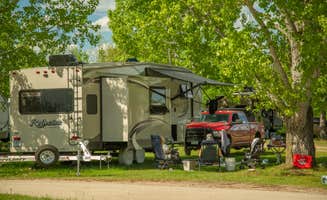
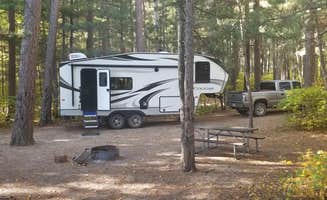
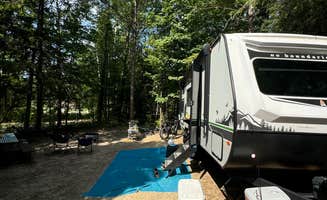
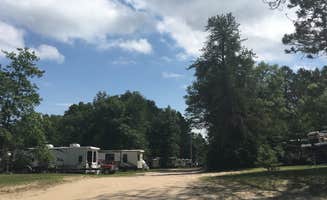
Leveling considerations: Many sites require adjustments for leveling. A camper at The Lodge Campground mentioned, "Site 82 was large but has a slight slope to it." Bringing leveling blocks is recommended for most RV campgrounds near Bigfork, Minnesota.
Hookup placement: Some sites have oddly positioned utility connections. At Trout Lake Campground, a visitor observed, "The 30 amp electrical and water hookups were nice however they were on the wrong side of the pad which we thought was odd." Bringing extension cords and longer hoses helps address this issue.
Off-season availability: Some campgrounds remain open with reduced services during shoulder seasons. A visitor reported, "I came in late October. As are most of the campsites in upper Minnesota this time of year, the owner told me they were closed. But he was happy to let me stay overnight for a reduced off-season fee."









 Guide
Guide


