Tent camping near Williamsburg, Massachusetts offers diverse experiences across several state forests and public lands located within a 30-mile radius. The region sits in the western part of the state at elevations ranging from 400-1200 feet, with weather patterns that create ideal camping conditions from late spring through early fall. Most campgrounds in this area don't accommodate RVs due to limited access roads and tent-only designations.
What to do
Paddle the lake waterways: At Tully Lake Recreation Area, campers can rent canoes and kayaks to explore the numerous islands and shoreline. "We take our canoe and spend the whole day at the lake. You can find lots of private areas to swim, pick blueberries and relax," notes camper Ben P.
White water activities: Zoar Outdoor offers organized rafting trips for various skill levels. The outfitter provides equipment and guided experiences on nearby rivers. A camper mentioned, "The campground is connected to an adventure/outing company that provides white water rafting, tubing and other water activities on a nearby river."
Disc golf near the dam: The Tully Lake area features a disc golf course that sees regular activity during summer months. Located near the dam, this course provides an alternative recreation option when not swimming or hiking. One reviewer noted, "A disc golf course is also near the dam and was seeing a fair amount of activity."
Waterfall hiking: Multiple falls are accessible via short hikes from camping areas. "The highlight was Doane's falls, a very quick walk from the campground area," writes Jean C. about Tully Lake's nearby natural feature. These cascading waters provide excellent photography opportunities.
What campers like
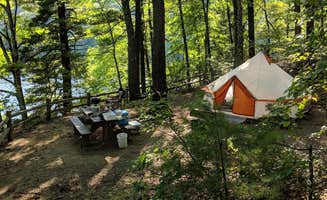
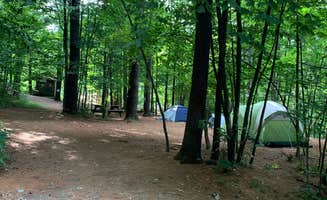
Private camping areas: Campers consistently mention the privacy between sites at Tully Lake. "We stayed at site 1, which was HUGE and extremely private. Sites closer to the water that we saw were less private, but still very peaceful and spread out," reports Megan G. The tent-only designation ensures a quieter experience without vehicle traffic.
Helpful staff assistance: Barton Cove Campground staff receive praise for their customer service. "The office was super helpful when I called to make reservations, making sure to ask questions about how big my tent was, what kind of view/privacy we wanted etc so they could help me find the perfect campsite," according to Brie B.
Car-free camping environment: The absence of vehicles at campsites creates a noticeably different atmosphere. "No cars at all at the campsites, which was great for peace of mind as our toddler roamed around. It also made for a super quiet stay," notes a Tully Lake visitor. This setup requires using provided carts to transport gear.
Unique accommodations: Chester Railway Station offers an uncommon camping experience. "The caboose is stationed on a big grassy field, near a real railroad. It sleeps 4 and you can set up tents outside too. You hear the trains running at night," explains Esther L.
What you should know
Gate systems and access restrictions: Several campgrounds implement complex entry protocols. At Barton Cove, "You check in at the office, grab a key to unlock the gate, drive to the campground, unlock gate, drive through gate, lock gate, unload your stuff," explains one camper, noting the multi-step process required for initial setup.
Limited or no cell service: Prepare for communication challenges throughout the region. At Federated Women's Club State Forest, "Cell phone coverage is faint to nonexistent on Verizon. You may want to download offline maps before you head out here," warns Jean C. Most forest campgrounds share this limitation.
Walk-in site distances vary significantly: Distance from parking to campsites can range from minimal to substantial. "Some of the sites are definitely walk-in, with a narrow trail leading from the road," notes a reviewer at Federated Women's Club State Forest. At Tully Lake, distances can extend much further for waterfront sites.
Toilet and shower facilities are centralized: Most campgrounds feature central bathroom facilities rather than dispersed amenities. "From some of the sites, this will be a long walk during the night," warns one camper about Federated Women's Club State Forest's composting toilet location.
Tips for camping with families
Site selection matters: Choose sites based on your family's specific needs. "The campsites are spacious and though there is not a bad site, some are better suited for certain purposes like group camping," advises Miguel B. about Tully Lake. Consider proximity to bathrooms for families with young children.
Prepare for gear transport: Maple Ridge Farm helps families with gear logistics. "They'll drive you in an ATV up to some of the sites that are further away from the parking lot," mentions Les R. This service proves invaluable for families with substantial camping equipment.
Consider quieter weekends: Holiday periods can bring different camping demographics. One Tully Lake visitor noted, "We went memorial day weekend few years ago, busy holiday of young teens partying. Park staff tried their best, but other campers definitely took away from our stay."
Check water access safety: Not all waterfront sites offer safe swimming access for children. "There's no formal swimming area and you can't swim at the boat launches, but you are able to swim from your campsites if you so desire," explains a Tully Lake camper. Ask staff about recommended swimming areas.
Tips from RVers
Limited RV options available: Most campgrounds in the immediate Williamsburg area don't accommodate RVs due to access roads and walk-in site designs. Look toward commercial campgrounds slightly further away for RV camping options.
Prepare for dirt roads: Sodom Mountain Campground features unpaved access. "All roads are dirt and all potholes have been repaired," notes Brad N. Higher clearance vehicles fare better on these access routes during wet conditions.
Check seasonal availability: Most campgrounds in the region operate seasonally, typically Memorial Day through Labor Day or early October. Some commercial operations may extend their seasons but with limited amenities during shoulder months.
Consider alternative accommodations: For those seeking RV amenities without the vehicle, look into cabin options. Several campgrounds offer simple cabins that provide more comfort than tent camping while maintaining the forest experience.











 Scout
Scout


