




E
Erin M. Guide
Guide
GuideRainbow Point
Open and grassy campsites
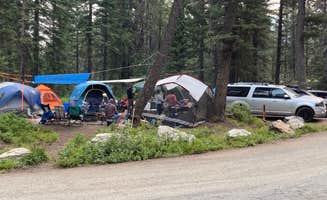
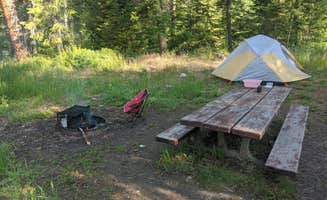
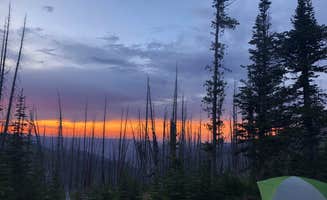
Nice grassy sites, water right there, vault toilets, fire rings and picnic tables, tent camping or RVs. Not a lot of shade but cools down nice at night. Lots to do nearby!
Tent campsites throughout Payette National Forest in Idaho offer a range of primitive to established settings for overnight wilderness experiences. Lick Creek Area provides three tent sites with stock holding facilities and access to wilderness hiking trails, while Rapid Creek Dispersed Camping Area offers more secluded tent camping options in meadow settings. Brundage Reservoir Camping Area provides lakeside tent sites accessible by multiple means including hiking and boating, allowing campers direct water access.
Most primitive tent campgrounds near Payette National Forest have minimal amenities, requiring self-sufficiency from visitors. Fire rings are commonly available at established sites, though seasonal fire restrictions may apply during dry periods. Vault toilets can be found at some locations such as Four Mile Campground, but many dispersed tent camping areas have no sanitation facilities. Potable water is rarely available, with exceptions like Northwest Passage Campground which provides a central water pump. Campers should prepare for variable weather conditions, as high-elevation sites can experience freezing temperatures even in summer months. A visitor noted, "It's high enough in elevation that this place gets nippy at night. I stayed in early August and the temps dropped into the upper 30s."
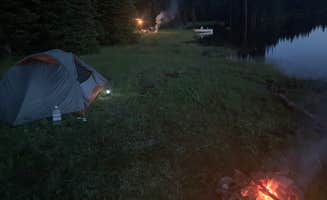
Tent camping experiences in this region feature notable solitude and natural immersion. Areas like Granite Lake and Paddy Flat offer tent-only sites where larger recreational vehicles cannot access, providing quieter camping environments. Many tent campsites are positioned near water features, from small creeks to reservoir shorelines, enhancing the camping experience. Wildlife viewing opportunities are substantial, with one camper reporting sightings of "bald eagles, moose, deer and chipmunks" near their tent site. Forest cover varies throughout the region, with some sites offering deep shade while others provide more open settings with panoramic views. Morning fog rising from nearby water bodies creates memorable scenes for early-rising tent campers. One tent camper remarked about Brundage Reservoir, "We spotted a beautiful lake through the trees. Both of us, as well as our pup, were amazed as we made our way through some brush, at which point we saw an open spot right next to the water."
"A CTX toilet and fire rings. Lick lake is a 3 mile hike into the wilderness and is gorgeous! No fee."
"There is a water pump at the entrance of the camp site that you get your water from. There are no hook ups or running water at sites. There are established fire rings and a picnic table."
"It was nice and quiet And you could hear the river nearby. Spot 3 has a great access trail that takes you down by the creek which flows into the river. There is a rock fire pit down there."
"Driving down a pot-holed, dirt road for quite awhile, we found ourselves concerned that we may not find something. We then spotted a beautiful lake through the trees. "
"We went here for mountain biking (if you go, check out Groupon for the lift) this campground was awesome because it was so close to Brundage resort, and the ski lift up, it was such an enjoyable stay,"
"A very cold lake bring water or filter."
"It’s really just a small meadow in the mountains that the BLM put a vault toilet and a couple of fire rings in. That being said, this place is beautiful."
"awesome place for rent camping and hiking lots of trails to explore but not a great place if you need a RV to go camping"
GuideNice grassy sites, water right there, vault toilets, fire rings and picnic tables, tent camping or RVs. Not a lot of shade but cools down nice at night. Lots to do nearby!

 Traveler
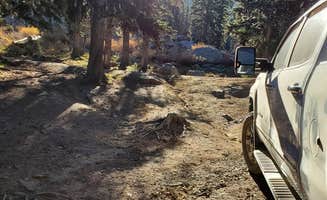
Nice flat spot with a stone fire ring. Hazard creek nearby isn't too loud and sounds great. Not much firewood is around as its all been picked already.
 Traveler
The campground itself is ok. If you get a site down by the water, those are the only ones with picnic tables and fire pits (19, 20, 21, 22, D1, D2, D3, where D = no hookups). Many of the sites with hookups are basically parallel parking spots but they don’t have their own picnic tables or fire pits. There are no tents allowed on the grass in the RV area, they are allowed on the pavement only. Tents are of course welcome on the grass in the tent camping area. There are picnic tables and fire rings in the tent area. Sites 6 and 8 were very sunny and hot. There is river access for swimming, shady areas over by the swimming area, and shady areas with picnic tables in the day use areas. The tent sites appeared to be on a slope. The camp host was THE BEST! She moved us out of a sunny site and had one available with a fire pit and picnic table for our first night. She checked back in frequently and was delightful to visit with. She takes excellent care of her guests and made the whole weekend especially enjoyable. There are docks available for boat parking and additional parking available for boat trailers. The grass is as green as can be and is watered daily which makes it very nice. There are flush toilets and a shower for guests to use as well as some porta potties. Dogs are welcome and must be leashed at all times. There are trash receptacles for waste and the campground was incredibly clean and nice.
GuideFish and game property, but managed under YMCA. $15 with no discount for anyone. Picnic table and fire ring. Pit toilet that is in desperate need of a simple fly strip! I had to wipe live flies off the toilet seat to sit down. Haul your garbage out. No electricity. Bear sites in campground but no notifications! No potable water. Seemed a bit pricey ! Perfect for canoes. Boat launch area.
Hawks, ducks, gorgeous waterfront!
GuideThis is a pretty quiet place! It about an hour drive/17 miles from Cascade on a paved road. True to it's name, the lake and campsite are right on a summit! The lake is pretty small and a little muddy, but a fun dip nevertheless. It's about a 5 minute hike from the campsites. There are 3 campsites at the campground and they are all first come first serve! Dispersed camping is allowed in the area as well. Managed to find 2 empty spots here on Labor Day weekend, which was a real treat! The sites all have fire rings and picnic tables and share a vault toilet. The sites are well spaced and there little noise carries around the area. The campground is a little close the to highway (Warm Lake Rd) but traffic at night is pretty low, so the noise isn't bad. There is a wilderness airstrip not too far off, so some plane noise as well! Otherwise, a nice spot with some great views of the night sky.
 Guide
GuideThis is a typical campground with Vault toilets, no showers, no water or electric hookups. However, it is just a couple miles from nice dining, mountain biking, and hiking.
TravelerWe have high expectations since we’ve been at so many places, so please bear that in mind when reading this.
GuideThe fir trees stand tall and still. I can’t figure out if they are waiting for something to happen or if they simply don’t care.
If you’re looking for sone sort of gorgeous panorama, this might not be the place for you. It’s really just a small meadow in the mountains that the BLM put a vault toilet and a couple of fire rings in. That being said, this place is beautiful.
You can’t see rapid creek from the campground but you can hear it. And that’s really just as good. The white noise from the creek matched with the occasional bird or other nature sound is one of the most relaxing things on the planet.
It’s high enough in elevation that this place gets nippy at night. I stayed in early August and the temps dropped into the upper 30s at night.
The campground is well maintained and the vault toilet was reasonably clean when I arrived. It became Kevin clean shortly after I set up camp.
There are trails from both sites near the vault toilet that lead down to Rapid Creek.
I never saw any bear scat but signs on the property warn of them so be smart with your food.
All in all, Rapid Creek dispersed camping is excellent if you just want a quiet place where no one is around. It’s amazing but not for the reasons people usually like in my opinion. ◦
TravelerCamping is free, limit of 10 days. Not really any designated sites and surrounded by private land with aggressive signage. Not all roads around the reservoir are public, so be prepared to turn around and back up at dead ends. We came to an orange gate that said "private property", and stopped. While trying to turn around, we noticed a white truck sitting behind us. When we turned around and passed him, he motioned to roll down the window, and then berated us and called us idiots, even though we had not even entered the private land, nor did we want to. We felt threatened. In the end we chose a site on the upper road of the reservoir. The view was nice but not close to the pit toilet. No fire ring. No table. A no frills place. Like many lakes in Idaho, the reservoir is mostly dry. Not a huge deal but not the prettiest to look at. There is only one single pit toilet for the whole reservoir and someone was set up right next to it like it was their own. People ride off-road vehicles here. In an area with slim pickings for free camping, I guess you have to take what you can get.
Tent camping throughout Payette National Forest ranges from 5,000 to over 8,000 feet in elevation, creating dramatic temperature swings even in summer months. The forest encompasses 2.3 million acres with over 30 dispersed and established camping areas. Most tent campsites receive the heaviest use from mid-June through September when mountain roads become accessible after winter snow melts.
Hiking access to alpine lakes: At Lick Creek Area, hikers can access the wilderness boundary just minutes from their tent site. A three-mile trail leads directly to Lick Lake, which offers fishing and swimming opportunities in warmer months. "Lick lake is a 3 mile hike into the wilderness and is gorgeous!" notes camper Courtney R.
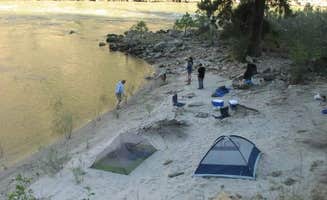
River recreation: Northwest Passage Campground provides direct river access that supports multiple water activities. "The river is walking distance from all sites. It is perfect for paddle boarding kayaking and floating. There is a beach area for the campers that is perfect for kids to play and to relax and watch for floaters," shares camper Cindy N.
Hot springs exploration: Near Four Mile Campground, tent campers can access natural hot springs within hiking distance. Hannah C. reports, "About a mile and a half up the road is 16 mile hot springs which was wonderful!" This makes for a perfect day activity from camp, particularly during cooler seasons.
Lakeside access: Brundage Reservoir Camping Area offers tent sites directly on the shoreline. "We spotted a beautiful lake through the trees... we saw an open spot right next to the water. We unpacked, pitched our tent and settled in for the night," describes Ted-Kelli T., highlighting the premium waterfront tent locations.
Wildlife viewing: The forest hosts diverse wildlife that frequently visits camp areas. At Northwest Passage, campers regularly observe large mammals and birds. "The wild life there is abundant. We saw bald eagles, moose, deer and chipmunks," one camper notes about their tent camping experience.
Solitude and quiet: The Rapid Creek Dispersed Camping Area features a secluded meadow setting with natural sound barriers. Kevin C. explains, "You can't hear rapid creek from the campground but you can hear it. And that's really just as good. The white noise from the creek matched with the occasional bird or other nature sound is one of the most relaxing things on the planet."
Weather preparedness: Mountain elevation creates cold overnight conditions even during summer months. "It's high enough in elevation that this place gets nippy at night. I stayed in early August and the temps dropped into the upper 30s at night," cautions Kevin C. about Rapid Creek Dispersed Camping Area.
Water access limitations: Most tent sites require campers to bring their own water or filter from natural sources. At Paddy Flat, campers should plan accordingly: "Very short hike nice camping. A very cold lake bring water or filter," advises Easton S. Even at established campgrounds, water access may be centralized rather than at individual sites.
Road conditions: Access to many tent camping areas requires traveling on rough forest roads. One camper describes their experience reaching Brundage Reservoir: "Driving down a pot-holed, dirt road for quite awhile, we found ourselves concerned that we may not find something." High-clearance vehicles are recommended for reaching more remote tent sites.
Beach access for kids: Certain campgrounds feature child-friendly water access points. Northwest Passage Campground includes "a beach area for the campers that is perfect for kids to play and to relax and watch for floaters," making it suitable for families with young children.
Wildlife education opportunities: Granite Lake Camping Area provides natural wildlife observation chances for children. "Awesome place for tent camping and hiking lots of trails to explore," notes Christopher R., highlighting opportunities for nature discovery along shorelines and forest paths.
Off-peak timing strategy: For families seeking quieter experiences, timing matters significantly. One camper at Northwest Passage advises, "This campsite is non-reservable. It's first come first serve and usually very busy. The best time to get a spot is Sunday afternoon or Monday and Tuesday. Towards the weekends most spots are full."
Small trailer considerations: While most dispersed areas are tent-focused, some accommodate small trailers. Christopher R. notes about Granite Lake: "Not a great place if you need a RV to go camping," confirming the limitations for larger recreational vehicles at many forest sites.
Non-hookup preparation: Deadman Campground offers drive-up sites but without amenities. Annie C. explains, "A wide spot along the road, this free BLM campground has 5 drive up campsites and 2 walk in. All have really nice covered picnic areas and pretty good fire pits," but emphasizes the absence of hookups that RVers should prepare for.
Alternative options: When forest roads prove challenging, some RVers opt for established campgrounds closer to towns. "McCall is a 15 minute drive," notes one camper about Northwest Passage, providing context about supply runs and amenity access for those with RVs camping in more developed areas.
Frequently Asked Questions
Which is the most popular tent campsite near Payette National Forest?
According to TheDyrt.com, the most popular tent campground near Payette National Forest is Lick Creek Area, McCall & Krassel Ranger Districts with a 5-star rating from 1 review.
What is the best site to find tent camping near Payette National Forest?
TheDyrt.com has all 61 tent camping locations near Payette National Forest, with real photos and reviews from campers.
Keep Exploring