Camping near Haleakala National Park encompasses both the summit and coastal areas, with elevations ranging from sea level to over 7,000 feet. Temperature variations between camping zones can exceed 30 degrees on the same day, especially during winter months. Many campgrounds require advanced planning due to limited space and seasonal closure periods.
What to do
Bamboo forest hikes: The Pipiwai Trail provides access to a unique bamboo forest ecosystem with impressive waterfalls. "The Pipiwai Trail hike is a must do on the Hana side- cannot go wrong with bamboo forests and a good waterfall," notes a visitor at Kipahulu Campground.
Cliff-edge camping: For more adventurous campers, oceanside spots offer spectacular views. "I was able to grab a spot under a hala tree our second night that was just a walk away from the shore and was so peaceful, and perfect to set up some hammocks," mentions a camper who stayed at Kipahulu.
Stargazing: The elevation provides exceptional stargazing opportunities away from light pollution. "At night, the stargazing is spectacular!" reports a camper at Kīpahulu. Another camper at Camp Olowalu mentions "Little light pollution, great for star gazing."
What campers like
Ocean sounds: Many sites allow you to fall asleep to wave sounds. A camper at Waiʻanapanapa State Park notes, "Fall asleep listening to the waves with a ocean breeze to cool you at night."
Early bird advantages: Camping inside the park gives early access to popular areas before day tourists arrive. "Camping at Kipahulu means that you can hit the trail early before the resort/day visitors make it to this side of the island," shares one experienced camper.
Affordable extended stays: National Park fees cover multiple nights of camping. "Note: that a National Park pass ($30) here is good for 3 days of camping including sites at Haleakala," reports a visitor, offering significant savings compared to resort accommodation.
What you should know
Extreme elevation changes: Temperature differences between coastal and summit campsites can be dramatic. According to a visitor at Hosmer Grove Campground, "When people say it's cold up there, it's COLD... by nightfall it got to about 30 degrees. Be prepared with a warm sleeping bag, long sleeves, long pants, socks and maybe a warm hat."
Limited facilities: Many sites have basic amenities only. "This campground offers very basic amenities, including cooking grills and vault toilets, with drinking water available only at the visitor center," explains a recent Kipahulu camper.
Local crowds on weekends: State park campgrounds become popular party spots for residents. A camper noted about Kipahulu: "We spent the first night stuck next to a HUGE party that didn't quiet down til late at night... this campground is popular with the locals/residents on Maui and from other islands."
Tips for camping with families
Choose designated spots: Some campgrounds have unmarked areas that can be confusing. At Kipahulu, "Campsites operate on a first-come, first-served basis, featuring grassy areas that are unmarked except for the presence of grills and picnic tables."
Morning wildlife viewing: Early morning offers the best wildlife spotting opportunities. Hosmer Grove is noted for its "nature trail through a Frankenstein'd woods where they planted numerous different trees... The bird watching is wild. The confluence of water and mixed plants makes this a perfect spot for bird watching, including some rare and endangered birds."
Pack for weather variations: Weather can change rapidly at elevation. A Hosmer Grove visitor advises, "We were there in June, and by nightfall it got to about 30 degrees (probably dropped even more by midnight). Be prepared with a warm sleeping bag."
Tips from RVers
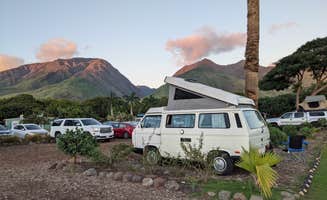
Campground amenities vary dramatically: Some sites offer significantly better facilities than others. "Camp Olowalu resort... outdoor showers are worth the stay in and of themselves. They are works of art, frankly," while "showers and toilets remain clean and odorless."
Limited hookups: RV sites near Haleakala National Park generally lack full services. A Camp Olowalu visitor notes, "Literally 8 plugs for a bajillion people causing a massive traffic jam in the mornings and evenings. On the side of the ice house only."
Wind exposure: Many coastal motorhome sites lack windbreaks. "Beware the wind! Because it's open air with no shielding trees, sooo many people evacuated to sleep in cars or resigned to/woke up to collapsed tents because of high winds," warns a Camp Olowalu camper.





 Scout
Scout


