











 Legend
Hickory Knob
Lakeside Retreat with a Touch of Southern Charm
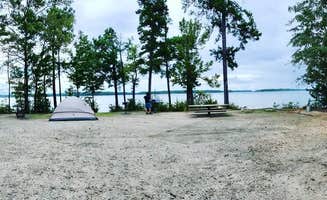
Hickory Knob SP CG is tucked along the shores of Lake Thurmond in South Carolina’s rolling countryside, where the pine trees stand tall, the crickets sing backup, and life slows to a more reasonable pace. It’s the only South Carolina SP with a full resort feel – which means campers get the perks of a golf course, lodge, and restaurant nearby, without losing that back-to-nature atmosphere that makes pitching a tent or leveling out an RV worth the trouble. First impressions? Think peaceful lake views with just enough activity around to keep things lively but never hectic.
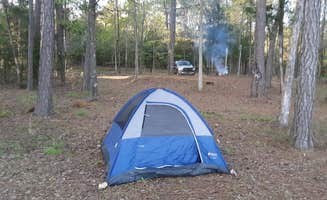
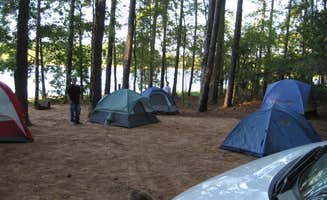
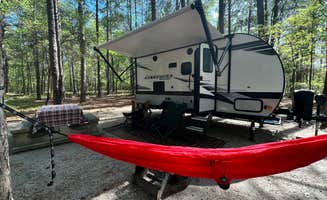
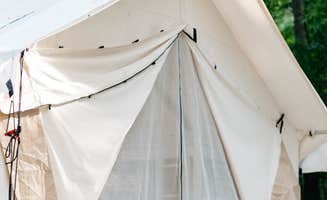
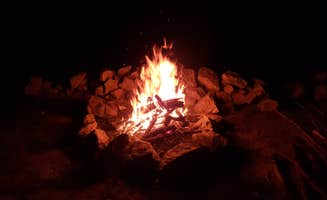
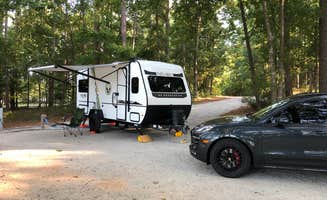
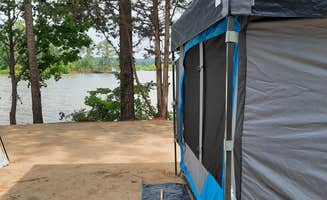
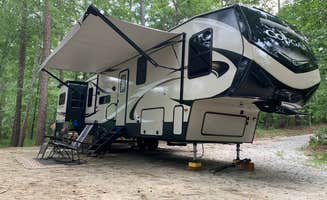
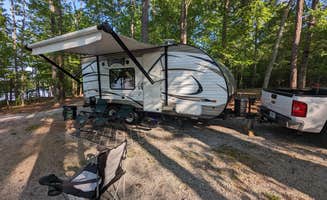
The campground itself offers a mix of RV and tent sites, with electric and water hookups for the comfort crowd and wooded, shaded spaces for the purists. Campsites are fairly roomy, with picnic tables, fire rings, and enough tree cover to keep your morning coffee shaded until you’re good and ready to face the day. Bathhouses are clean and well-kept ... nothing spa-like, but not the kind where you walk out wondering if you need a tetanus shot either. Navigation is straightforward, though larger rigs should take it slow on the curves. And here’s a bonus: campers can stroll over to the resort-style amenities like a swimming pool, tennis courts and even the on-site restaurant if they’re tired of hot dogs and s’mores.
The surrounding fun is where Hickory Knob shines. Lake Thurmond offers ample space for boating, fishing, kayaking and swimming, with more shoreline than your GPS can keep track of. The park itself has miles of hiking and biking trails that snake through pine forest and offer glimpses of deer, wild turkeys, and the occasional heron. For the golfers in the crowd, the 18-hole course is the centerpiece here – where else can you balance your day between kayaking coves in the morning and working on your short game in the afternoon? The nearby town of McCormick provides groceries, a few dining options and that small-town charm that feels refreshingly unhurried.
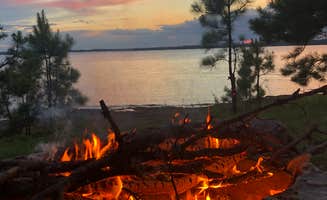
Insider Tips: (1) The waterfront campsites are the gems with west-facing spots for those Technicolor sunsets (but you'll want to book early if you can, because everyone has the same idea, right?); (2) Don’t feel like cooking? Head on over to the Hickory Knob Lodge restaurant, which while nothing fancy, this joint has solid Southern comfort food that tastes even better after a day outdoors; (3) Kayakers should launch near the group lodge cove where it’s calmer water with prime birdwatching opportunities; (4) If you like a side of nostalgia with your dessert, swing by Michelle’s in McCormick for classic Southern diner plates and pie that’ll make you rethink diets; (5) Want a 'higher' perspective? Sites further inland sit at slightly higher elevation, meaning more shade, although fewer lake views, but less wind off the water, so choose based on your style of camping comfort.
Happy Camping!


