The Cohutta Wilderness area offers primitive camping near Ellijay, Georgia across 40,000 acres of rugged terrain in north Georgia's Chattahoochee National Forest. Elevations range from 950 feet to over 4,000 feet, with varied microclimates throughout the region. Winter temperatures can drop below freezing at higher elevations, while summer brings warm days suitable for creek swimming.
What to do
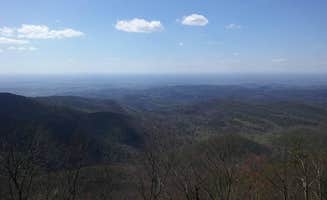
Stargazing opportunities: At Ball Field Dispersed Camping Area, campers find exceptional night sky viewing. As one camper notes, "This is one of my favorite types of spots: remote, little light pollution, and deep in the mountains... Go here on a new moon night in the summer and you're sure to have a great night of uninterrupted beauty!"
Hiking to waterfalls: Take the trail from Jack's River Falls Trail for a challenging but rewarding trek. "A cool 9ish mile to the falls or go snorkeling in clear creek waters," mentions one reviewer. The trail provides access to multiple waterfall viewing points.
Creek swimming: Several campsites offer refreshing swimming spots during summer months. A camper at Conasauga River Camp describes "a very swimmable and warm crystal clear river - very popular with locals, and I imagine would be packed on weekends." Perfect for cooling off after hiking.
Mountain biking: Forest service roads throughout the area provide excellent routes for cycling enthusiasts. A visitor to Lost Creek notes, "Many places to explore on bike or hiking. Super remote area, ride were in decent shape, I could see them being bad after a heavy storm."
What campers like
Quiet natural settings: The remote backcountry camping appeals to those seeking solitude. A SongBird Trail Camp visitor shares, "This area will speak for itself once you arrive. It's very peaceful and calming, beautiful hikes, pretty nature, and great memories!"
Night sounds: Many campers appreciate falling asleep to natural soundscapes. At Justus Creek Campsite, one camper reports, "It was definitely one of our best nights sleep listening to the water!" The creek provides a soothing background noise.
Wildlife viewing: The area hosts diverse plant and animal species. A Ball Field visitor documented nearby vegetation: "The north-northeasterly facing slope of Bald Mountain within a half-mile of the summit, elevation 4005'. Mostly New York Fern here, but also saw Hay-scented, Cinnamon, and Interrupted Ferns in this immediate area."
Creek-side sites: Riverside camping spots rank among the most coveted. According to a visitor at Lost Creek Campground, "This is a great spot in the river. Picnic tables, fire ring, pit toilet and all you hear is the river at night."
What you should know
Bear safety: Food storage is critical in this region. One camper at Ball Field Dispersed Camping Area warns, "There are bears in the area and they love food. (A fed bear is a dead bear-please don't leave any food out and scare them away if they come around.)"
Vehicle requirements: Most roads are unpaved and vary in condition. A visitor to Mountain Side Overlook notes, "4x4 is not required, but ground clearance makes it non-accessible to some." Some areas become challenging after rainfall.
Toilet facilities: Most dispersed camping sites lack facilities. A Lost Creek camper reports, "There are rest rooms and bear proof trash bins, we chose to set up our own restroom." Plan to pack in supplies and pack out waste.
Cell service limitations: Connectivity is minimal throughout the area. One Ball Field camper explains, "The cell connection is intermittent and usually only one bar(or no cell)." Plan routes and download maps before arriving.
Tips for camping with families
Choose sites with creek access: Smaller children enjoy wading and exploration. Lost Creek offers good options as "There are spots that you can swim around in" and concrete tables make meal preparation easier.
Pack extra supplies: The remote location means no quick store runs. Plan for changing conditions, as a Ball Field camper notes, "Stayed here a number of times during each of the four seasons." Weather can shift quickly, especially at higher elevations.
Consider timing: To avoid crowds at popular spots, plan mid-week visits. A Conasauga River visitor advises the area "can be crowded on the weekends," particularly during summer months when swimming is popular.
Check road conditions: Some access roads can challenge family vehicles. According to a Ball Field visitor, "This is a large field for dispersed camping along Conasauga Lake Road that is popular with both hikers and Overlanders." Roads may deteriorate after heavy rain.
Tips from RVers
Site leveling: Many dispersed areas have uneven terrain. Ball Field requires preparation as "The field is fairly sloped, so you want to have some shoring if you are in a trailer, roof top tent, or van."
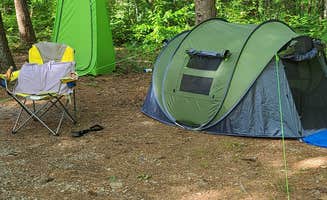
Size limitations: Most dispersed sites accommodate smaller rigs only. At Murrays Lake Primitive, "There are 2 drive in tent spots, with 2 more at the end of a trail" but limited turning space for larger vehicles.
Water access planning: No hookups means carrying sufficient water. While creeks provide filtering options, one visitor to Jack's River notes, "There are a few campsites right next to the river" which makes water collection (with proper filtration) more convenient.
Road clearance: Forest roads can be challenging. A camper mentions Ball Field access requires patience: "This area is fairly remote and the rough gravel forest service roads are best traveled by a higher clearance vehicle. 2x2 usually works ok though."






 Legend


