Dispersed camping near Chattahoochee-Oconee National Forest offers primitive sites across varied terrain ranging from 1,600 to over 4,700 feet in elevation. The forest encompasses over 867,000 acres across northern Georgia, with camping locations concentrated along creek beds, mountain ridges, and forest service roads. Summer temperatures typically reach 85-90°F during day and drop to 65-70°F at night, while spring and fall camping provides more comfortable temperatures but requires preparation for significant temperature swings.
What to do
Waterfall hiking routes: High Shoals Falls Trail offers primitive campsites along a 2.4-mile round trip path featuring two waterfalls. "The trail contains 2 beautiful Georgia waterfalls, Blue Hole Falls and High Shoals Falls. The area is lush with mountain laurel, rhododendrons, and old-growth trees," notes Damion V. from High Shoals Falls Trail Dispersed.
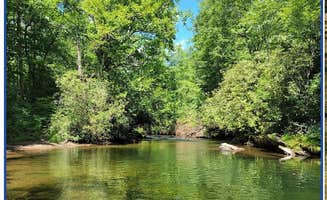
Swimming holes: Deeper sections of creeks provide natural swimming opportunities during warmer months. At Jones Creek, one camper reports: "This river is amazing, low current makes its easy to walk in and there are a few little water falls we enjoyed hanging on for a bit." Swimming areas work best from late May through September when water temperatures are most comfortable.
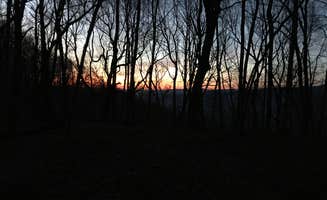
Night sky viewing: Several campsites offer excellent stargazing due to minimal light pollution. Austin C. at Corbin Creek Tray Mountain notes it's "worth it if you're into astrophotography as all of tray mountain sits within the few dark areas within north Georgia." Clear nights from October through April typically provide the best viewing conditions.
What campers like
Creek-side locations: Sites positioned near water sources offer both practical benefits and ambient sounds. Maria A. at Justus Creek Campsite shares: "The creek was absolutely freezing cold in July, it was great to rinse some clothes and ourselves off. It was definitely one of our best nights sleep listening to the water!"
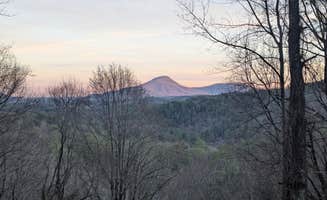
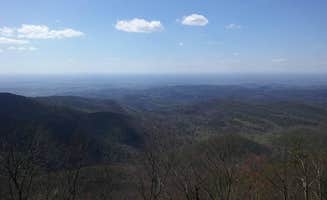
Ridgeline views: Higher elevation sites provide expansive vistas of surrounding mountains. Clay A. reports that Cowrock Mountain offers "wonderfully shaded spots with long range views of the Blue Ridge. Perfect spot for hammocks or tents right off the trail with large rocky outcrops for your views."
Seclusion factor: Camping areas range from popular to extremely remote. At Mountain Side Overlook, The M. recommends: "Nice firepit, hiking across the way. 4x4 is not required, but ground clearance makes it non-accessible to some." More remote sites require additional planning but reward with greater privacy.
What you should know
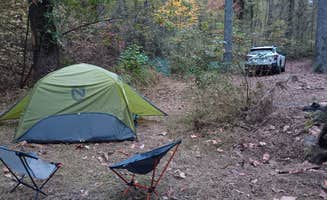
Vehicle requirements: Forest service roads accessing many sites deteriorate seasonally. Rebecca M. notes about Corbin Creek: "It's more Jeep friendly than full size vehicles, to get a spot down by the creek. But it is possible to get a full size 4*4 truck down the switch back."
Seasonal accessibility: Roads become progressively more difficult after rainfall, particularly in winter and spring months. Darwin R. at Indian Grave Gap Campsite explains: "There are three routes up the mountain so you never have to double back. There are more primitive sites at the top of the mountain on both sides of the fork."
Popular site competition: Weekend availability decreases dramatically during peak seasons. One camper reports about Dicks Creek Falls: "It was over full last time I was there summer of 2024." Arriving mid-week or by early Friday afternoon increases chances of securing preferred sites.
Tips for camping with families
Swimming-friendly locations: Choose sites with gradual water entry for safer water play. Jennifer M. from Dicks Creek Falls Campsites mentions: "We backtracked a bit to a site along the stream with ample space for at least two or three tents. It was along the road and there were a few cars driving past during the night but not enough to bother us."
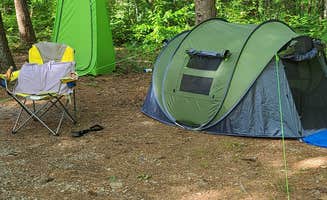
Group-sized clearings: Some sites accommodate multiple tents better than others. Gillian S. notes about Indian Grave Gap: "Three campsites in the immediate area. Two are on one side of the road. You have to cross thru one to get to the other. All three have creek access. Each site is huge."
Wildlife awareness: Teach children proper food storage protocols. While bears remain the primary concern, smaller animals frequently investigate improperly stored items. Maintain food storage at least 100 yards from sleeping areas when possible.
Tips from RVers
Access limitations: Most dispersed sites accommodate only smaller trailers or truck campers. The Mountain Side Overlook reviewer notes ground clearance issues limit vehicle types that can access the site, though the clearing itself can accommodate rigs.
Leveling challenges: Bring additional leveling blocks as natural surfaces rarely provide flat parking. Sites along forest service roads typically offer more level options than those requiring turns onto unmaintained tracks.
Generator etiquette: While generators aren't explicitly prohibited at many sites, their use should be minimized during peak hours (10am-4pm) when other visitors may be hiking nearby.














 Legend

