Dispersed camping near Ocala National Forest offers rustic tent sites with minimal facilities across Florida's largest forest tract. The forest encompasses approximately 387,000 acres of sandy terrain and pine scrub, with elevations rarely exceeding 100 feet above sea level. Winter temperatures typically range from 45-75°F, making December through February the most comfortable camping season for avoiding both heat and biting insects.
What to do
Wildlife observation: Connect with Florida's diverse ecosystems at Trout Lake Primitive Sites. The lake provides habitat for numerous native species. Campers report: "The setting is breathtaking. I'd go back in a proper vehicle!" according to Laurence A., who spent two nights despite encountering challenging conditions.
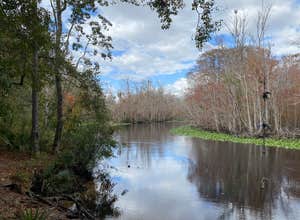
Fishing: Access prime angling spots along the St. Johns and Ocklawaha Rivers. Multiple dispersed sites provide river access for fishing enthusiasts. At Freak Creek Dispersed Camping, one camper notes: "There is a nice creek area where you can swim and or fish if you have the right equipment to get back there."
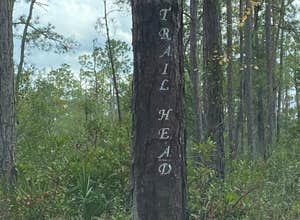
Hiking: Explore historical sites on forest trails. The Davenport Landing Trail spans 1.2 miles and features historical elements. Stuart K. advises visitors to keep an explorer's mindset: "If you have an explorer's mindset, you'll be richly rewarded here as there is a small gravesite from the Civil War that you can find along with middens along the Ocklawaha River hiding traces of the Timucuan Indians that once populated this area."
What campers like
Secluded experiences: Find genuine solitude at less-traveled sites. Some primitive camping areas remain relatively undiscovered. At St. Johns River Dispersed Spot, Mike D. shares: "The roads to get here are bumpy. Right next to the river and the trees open up so you get a great view of the stars."
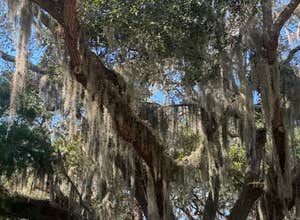
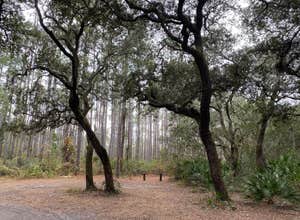
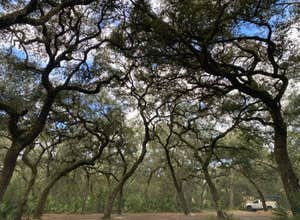
Varied terrain: Each dispersed site offers distinct ecological features. The forest transitions between pine scrub, hardwood hammocks, and wetland areas. Regarding Blue Sink, Destiny R. enthuses: "Most beautiful place to stumble upon. You may need ATV or creative backpacking to get there now."
Cost-effective camping: Most dispersed sites require no fees. Free camping options exist throughout the forest, though these come with no amenities. As one visitor to Davenport Landing notes: "If you are a true primitive camper who really wants NOTHING to complement or aid their outdoor survivalist experiment, then you have hit the primitive camping jackpot!"
What you should know
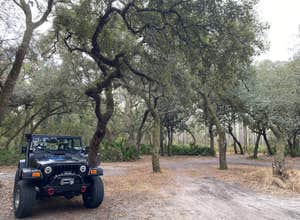
Vehicle requirements: Many sites demand high clearance and 4WD capabilities. Roads frequently feature deep sand, mud, or water crossings that standard vehicles cannot navigate. At Freak Creek, hilary G. warns: "The main road in has huge deep ruts, the other road has a water crossing that was over my bumper on my lifted Mojave... If you don't have 4wd and recovery gear I wouldn't risk it."
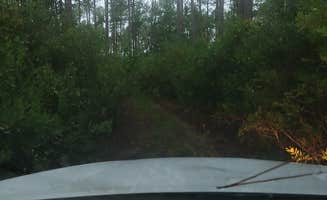
Narrow access roads: Expect tight clearances between trees on forest roads. Many sites have overgrown access trails that can damage vehicle paint. Joe P. from Trout Lake Primitive Sites cautions: "Very narrow trails but really easy access, you will leave with some new pinstripes."
Variable camping conditions: Site quality fluctuates seasonally and with weather. Rain transforms sandy soil into challenging mud. Entropical Breeze E. reports about Trout Lake: "Main road entry is packed dirt; smaller access road to sites is two-track about 1/4 mile through woods — very narrow tree clearance. 4WD recommended."
Tips for camping with families
Safety preparations: Pack complete emergency supplies. Cell service remains nonexistent in most areas, requiring self-sufficiency. Laurence A. from Trout Lake recounts: "I was scared to death all night alone, I had a black bear sighting that afternoon and I had no bear spray no cellphone service but all there was was whispering pines!"
Site selection: Research thoroughly before arrival. Some locations may have concerning activity or occupants. At Davenport Landing, David P. suggests: "Pulled in around 9:30 pm. Big open spot... great Tent/van spot."
Wildlife awareness: Prepare children for potential wildlife encounters. Bears, alligators, and other wildlife frequent these areas. Tim M. advises: "I really enjoyed this spot, but I did spot a bear on my way in and scat along the road. I wouldn't recommend this spot to beginners or inexperienced outdoor enthusiasts."
Tips from RVers
Vehicle size restrictions: Limit RV length to under 20 feet for most sites. Forest roads typically cannot accommodate larger rigs. One camper at Davenport Landing notes: "Last 100 yards driving back in were very bumpy but no problem with our van. Not sure about a larger RV."
Site access reconnaissance: Scout locations before attempting access. Many sites require advance planning and possibly walking in first. Entropical Breeze E. shares their experience: "Just barely scraped a FWD Promaster through the trees, into a pullout just before sand started."
Alternative camping: Consider developed campgrounds for larger RVs. Nearby paid campgrounds offer more suitable conditions for RVs. Tim M. suggests: "There is a campground nearby that charges 10 bucks a night that I would recommend for families or beginners. Delancy Campground is accessible from this (FS Road 74) location."






 Guide
Guide


