Primitive camping opportunities in Big Cypress National Preserve provide budget-friendly backcountry experiences southwest of Lehigh Acres. This area of South Florida features a subtropical climate with distinct wet and dry seasons affecting trail conditions. Winter months (November through April) offer more favorable camping weather with lower humidity, fewer insects, and reduced chances of standing water on trails and at campsites.
What to do
Wildlife observation opportunities: The preserve hosts diverse wildlife including over 40 species of mammals and more than 200 bird species. Visitors at Panther Camp report excellent wildlife viewing. One camper noted, "Strong cell signal due to cell towers at the rest stop," which allows for emergency communication while still enjoying an isolated experience.
Seasonal water activities: During wet season (May-October), many trails become water trails suitable for shallow-draft canoes or kayaks. Some sections near primitive camps can be paddled during high water periods, though water levels fluctuate significantly.
Night sky viewing: The remote location of these sites provides minimal light pollution. The preserve is approximately 50 miles from urban centers, offering stargazing opportunities not available in more developed areas.
What campers like
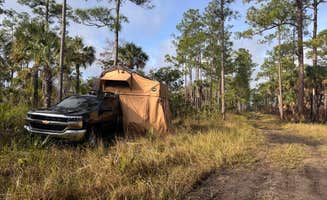
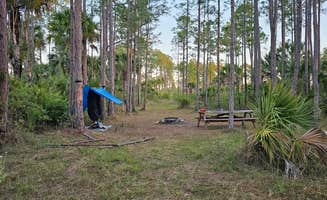
Backcountry solitude: Most primitive camps in Big Cypress see minimal visitor traffic, especially on weekdays. Nobles Primitive Camp provides an authentic wilderness experience. A camper described their journey: "Great remote drive out to the primitive site 'old florida' the paved road turns to dirt/gravel. One way in one way out."
Cost-effective camping: Free camping near Lehigh Acres, Florida is available throughout Big Cypress with proper permits. All primitive sites require free permits that can be obtained through the preserve's website, though enforcement varies by season and location.
Established facilities: Despite their remote nature, some sites offer basic amenities. At Carpenter Primitive Camp, visitors will find designated camping areas with basic infrastructure maintained by the Florida Trail Association.
What you should know
Water management: Bring sufficient drinking water for your entire stay. While some sites have water sources, they require treatment and may not be reliable. As one visitor to Ivy Primitive Camp noted, natural water sources should be filtered and treated before consumption.
Seasonal access limitations: Trail conditions vary dramatically between dry and wet seasons. During summer rainy months (June-September), many access roads become impassable even with high-clearance vehicles. Winter and early spring typically offer more reliable access.
Permit requirements: While no-cost camping options exist near Lehigh Acres, permits are required for all overnight stays in Big Cypress. These can be obtained online through the National Park Service website or at visitor centers. Backcountry permits must be displayed at campsites.
Tips for camping with families
Age-appropriate site selection: For families with younger children, sites closer to trailheads provide easier bailout options. The shortest hiking distance to a primitive campsite from a trailhead is approximately 2 miles, making day trips possible.
Insect preparation: The subtropical environment supports large mosquito populations, particularly after rainfall. Long sleeves, pants, and appropriate repellents are essential for comfortable camping, especially with children.
Educational opportunities: The unique ecosystem provides hands-on learning experiences about wetland environments. Rangers recommend families bring field guides specific to South Florida flora and fauna to enhance educational value.
Tips from RVers
Alternative options: Traditional RV camping is not available at primitive sites. For those seeking no-cost camping with RV access near Lehigh Acres, consider designated parking areas at preserve trailheads which sometimes permit overnight stays with self-contained units.
Access road considerations: Many roads leading to primitive camping areas have low clearance limitations and seasonal flooding issues. High-clearance vehicles are recommended even during dry season, with 4WD necessary after rainfall.




 Guide
Guide