Tent camping near Quaker Hill, Connecticut centers on the inland waterways of the Thames and Connecticut River watersheds. The area features a mix of forested terrain with elevations under 500 feet and moderate humidity from late spring through early fall. Morning river fog frequently occurs during summer months, particularly in river valleys where many tent sites are located.
What to do
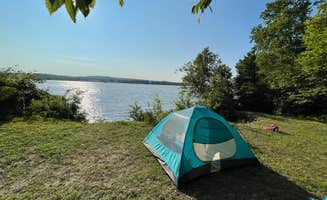
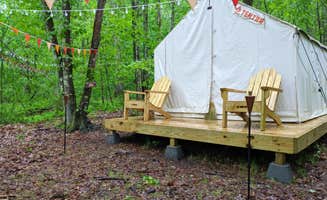
Paddle to remote sites: Chapman Pond Preserve requires campers to walk in or paddle to reach tent sites. Tent platforms and picnic tables provide a stable base for overnight stays with the Connecticut River visible from camping areas. Ben L. notes, "Good tent platforms, picnic tables and outhouse. CT river within view. Good site."
Boat-in camping experiences: Gillette Castle State Park Campground offers boat-accessible tent sites along the Connecticut River. Most sites require a short paddle from public boat launches. "We have camped on the south end of Hurd Park several times via boat access. It is amazing with the views of the CT River and being able to watch the sunrise and sunset," reports Jackie G.
Wildlife observation: Many riverside tent sites provide opportunities to view local fauna including waterfowl, deer, and smaller mammals. The best wildlife viewing times are early morning and dusk, particularly at waterfront locations. At River Highlands State Park River Campground, one camper noted the natural setting: "the campsite was absolutely beautiful—especially with its location right by the river."
What campers like
Island camping solitude: Selden Neck State Park Campground offers a unique island tent camping experience accessible only by watercraft. The 20-minute paddle from Deep River Landing leads to four designated campsites with minimal development. Jason S. explains, "Plenty of flat area to pitch a tent, nice picnic table and fire pit. There's a private outhouse. At low tide, a couple of beaches emerge to play on."
Riverside campfire spots: Designated fire rings at most riverside tent camping areas allow for campfires with proper permits. Many tent sites feature fire pits situated to provide river views while maintaining safe distances from tent platforms. Todd J. mentions Gillette Castle State Park has a "Great place for a hike or a picnic. Castle has tours at certain times."
Swimming access: Several tent camping areas feature direct water access for swimming during summer months when water temperatures average 70-75°F. River beaches form at low tide at some locations, providing natural swimming areas away from boat traffic. Water levels fluctuate seasonally, affecting beach size and swimming conditions.
What you should know
Seasonal permits: From Memorial Day through Labor Day, permits are required for parking at many boat launches serving tent camping areas. These permits must be displayed in vehicles and can be obtained through the Connecticut DEEP website or at some ranger stations.
Limited facilities: Most tent sites near Quaker Hill provide minimal facilities. Tent sites typically include fire rings and some have picnic tables, but campers should prepare to pack in all necessary supplies including drinking water and pack out all waste. Outhouses are available at select sites only.
Weather considerations: River valley tent sites experience unique microclimates with heavy morning fog common during summer months. One reviewer at River Highlands State Park River Campground warns about natural conditions: "As a heads-up, the outhouse did have quite a few wolf spiders (which might be expected in a natural setting like this)."
Tips for camping with families
Boat safety: Families accessing boat-in tent sites should ensure proper life jackets for all ages and waterproof containers for camping gear. The Connecticut River experiences regular boat traffic that can create wakes affecting smaller watercraft. Jason S. advises, "If it's a nice day, you're going to encounter some wake from passing boats so make sure your gear is in waterproof bags."
Wildlife precautions: Store food securely to prevent attracting wildlife to tent camping areas. Raccoons and smaller mammals are common near riverside tent sites. Keep a safe distance from any wildlife encountered and never feed wild animals.
Timing water crossings: Plan boat crossings to tent sites with weather and daylight in mind. Morning fog can significantly delay departures from island and riverside tent camping areas. Jason S. shares, "In the morning, we were completely socked in with fog which would have been an issue if we had to get back early. But it burned off before long and we headed back."
Tips from RVers
Day-use options: While RV camping is limited near Quaker Hill, RV travelers can park at designated areas and access tent sites by foot or watercraft for day use. Hurd State Park River Camping provides river access points with nearby parking areas suitable for temporary RV parking during daylight hours.
Combined stays: Some RVers combine stays at developed campgrounds with boat-in tent camping experiences. Park RVs at established campgrounds with hookups, then use watercraft to access primitive tent sites for day trips or overnight adventures, returning to RV base camps as needed.





 Legend


