Tent camping options near Gilman, Connecticut focus primarily on Connecticut River access. Seasonal considerations affect water levels, with spring bringing higher flows and summer offering more stable conditions. Most sites require advance preparation as facilities are limited and terrain varies from riverside flats to wooded settings with moderate elevation changes.
What to do
**Paddle explorations: The Connecticut River provides direct access to Selden Neck State Park Campground, allowing campers to combine water recreation with primitive camping. Boat traffic creates moderate wakes during daytime hours, requiring secure waterproof storage for gear during the crossing.
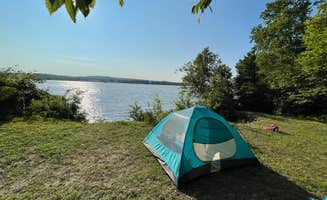
**Wildlife observation: River Highlands State Park River Campground offers riverside habitat viewing with natural surroundings. A camper noted "the campsite was absolutely beautiful—especially with its location right by the river," though cautioned about encountering "quite a few wolf spiders" in the facilities.
**Hiking networks: Multiple trail systems connect camping areas to elevated viewpoints. Morning fog frequently blankets the Connecticut River valley, creating visibility challenges for early departures but clearing by mid-morning. Chapman Pond Preserve trails provide moderate terrain with limited markings, requiring basic navigation skills.
What campers like
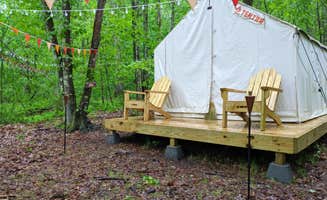
**Privacy between sites: The boat-in requirement at Chapman Pond Preserve creates natural separation between camping parties. One camper described it as a "Middle of no where site" with "Good tent platforms, picnic tables and outhouse. CT river within view."
**Waterfront access: Direct river proximity allows for swimming and fishing at multiple locations. At Hidden Lake Farm, visitors appreciate the "Quiet and Private" setting that combines natural surroundings with basic amenities.
**Natural setting: Most campgrounds maintain minimal development, preserving the natural environment. Limited artificial lighting creates excellent night sky viewing opportunities at river sites. When water levels drop during summer, temporary beaches emerge along shorelines for exploration.
What you should know
**Limited facilities: Most tent sites offer basic amenities only. Hidden Lake Farm provides drinking water, toilets and showers, making it an exception among local options that typically offer more primitive conditions.
**Access challenges: River-based sites require watercraft and navigation skills. For Selden Neck, a camper advised "It's about a 20 minute paddle across the river to the island" and suggested waterproofing gear due to boat wakes.
**Seasonal considerations: Spring brings higher water levels and increased insect activity. Summer weekends see higher boat traffic on the Connecticut River, creating more noise and wake at waterfront sites. Fall offers cooler temperatures and reduced humidity but earlier sunset times.
Tips for camping with families
**Site selection: Choose locations based on access difficulty and facility needs. For tent camping with young children, consider that one camper brought a "5-year-old" to Selden Neck and found site 2 (Hogback) particularly suitable with "Plenty of flat area to pitch a tent, nice picnic table and fire pit."
**Water safety: The Connecticut River current varies seasonally and with rainfall. Designated swimming areas are limited, requiring careful supervision of children near water. Life jackets are essential for all water activities, particularly during spring months.
**Nature exploration: Low-tide conditions expose temporary beaches and reveal diverse river ecosystems. Wildlife sightings are common but unpredictable, with early morning offering the best viewing opportunities for birds and small mammals.
Tips from RVers
**Access limitations: Nearly all sites near Gilman accommodate tents only due to terrain and access constraints. Hurd State Park River Camping requires vehicles to remain in designated parking areas, with gear transport needed to reach tent sites.
**Alternative options: RV camping requires traveling beyond the immediate Gilman area. Seasonal considerations affect road conditions for larger vehicles, with spring thaws sometimes creating temporary access issues on unpaved surfaces leading to parking areas.






 Legend


