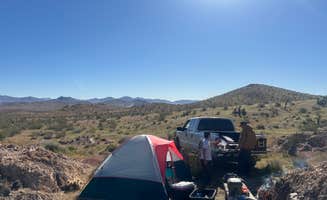
Dispersed camping near Valyermo, California offers opportunities in high desert terrain ranging from 2,800 to 7,000 feet elevation. The area experiences extreme temperature variations with summer highs regularly exceeding 95°F and winter nights frequently dropping below freezing. Most locations require preparation for dry conditions and limited cell reception, particularly in desert areas where high winds frequently impact camping experiences.
What to do
Hiking opportunities: Near Stockton Flats Yellow Post Sites, campers can access several trail networks. "If you go to the end of 3N06 (main off-road path) there is a good hike that you can take for several hours," reports Nathaniel C.
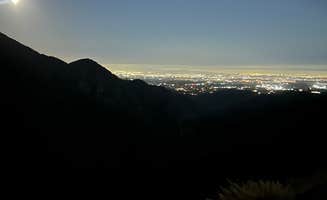
Stargazing sessions: The remote locations provide exceptional night sky viewing with minimal light pollution. At Rim of the World Byway Dispersed, campers enjoy unobstructed celestial views. "We stayed here for two nights... if you go a bit further down alongside the road you can find some nice spots," explains Alexander B.
Wildlife observation: The diverse ecosystems between desert and mountain terrain support various wildlife species including jackrabbits, coyotes, and numerous bird species. Morning hours typically offer the best wildlife viewing opportunities when animals are most active before temperatures rise.
What campers like
Solitude and space: Remote sites provide significant separation from other campers. At East Mojave Camp, Sawyer P. notes, "You can get far enough away from the highway that you don't need to worry about people driving by."
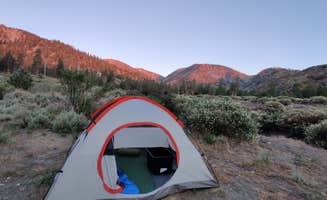
Sunrise views: The desert landscape creates striking dawn experiences. "It's a great little secluded spot about 4 miles off the highway in the desert. I missed the sunset but caught a beautiful sunrise," reports Tyler D. about BLM Desert Site.
No reservation needs: These dispersed areas allow spontaneous camping trips without advance planning. However, arriving early on weekends is recommended. "First time headed out here and it was a great spot for a disconnected weekend. Best to get there early as possible to secure a spot," advises Panda V.
What you should know
Vehicle requirements: Most sites demand appropriate vehicles for access. "Specs of this campground are wrong, no toilets/water/etc. Great for campers that meet 2 criteria: 1) You have a Jeep, Truck or similar vehicle that can go off-road. 2) You enjoy dispersed camping," explains Nathaniel C.
Wind conditions: High winds frequently impact desert camping experiences. "Huge ruts in dirt road, there's room to go around them. Several Joshua Trees," reports Ronnie W. about conditions at East Mojave Camp.
Safety considerations: Remote locations require self-sufficiency. At Angeles Crest Overlook to LA, Joseph R. cautions, "It's basically car camping along the Angeles Crest highway... kids do tend to party up here and drive about 100 miles an hour up and down the road all hours of the night."
Road navigation: Many access roads lack clear markers. "The turn is not marked well, in fact the coordinates are a little bit off. If you miss the turn like we did you have to go 5 miles or more to get a turnabout big enough to turn around," warns Joe R.
Tips for camping with families
Consider noise levels: Some locations experience regular traffic and activity. "I loved car camping here! When I stayed, there were no other people who stayed the night, but quite a few people came throughout the night just for 20 minutes at a time or so," shares Jaydon C.
Dog-friendly options: Hare School Park provides space for pets. "There's a dog park kind of area with a big field they can run around and just clean up after them," notes ROCKSTAR C., though adding, "It's not tent friendly, I don't believe."
Pack extra water: No dispersed sites provide potable water, requiring families to bring sufficient supplies for drinking, cooking, and basic hygiene, especially during hot weather periods when dehydration risks increase.
Cell service planning: Coverage varies significantly by location and carrier. Angeles Crest Overlook areas typically have better reception than deeper desert locations, allowing for emergency communications and navigation assistance.
Tips from RVers
Length restrictions: Many forest roads have tight turns and limited turnaround areas. "We decided not to go to the site because it looked like a one lane road and too tight for our 35 ft bumper pull," shares Joe R. about Stockton Flats.
Leveling challenges: Desert and mountain terrain often presents uneven parking surfaces. Bringing leveling blocks is essential for comfortable overnight stays, particularly in wash areas where ground can be significantly sloped.
Overnight parking options: For travelers needing quick stops, certain locations permit overnight parking. "You can overnight park here with your RV without problems," confirms Julia G. about Hare School Park.
Temperature management: The significant day-night temperature swings require preparation. RVs benefit from window coverings to manage heat during day and proper insulation for cold nights, particularly at higher elevation sites.









 Traveler


