Plumas National Forest spans over one million acres at elevations ranging from 2,000 to 7,500 feet across the northern Sierra Nevada mountains. The forest contains over 100 lakes, 1,000 miles of streams, and diverse ecosystems from pine forests to alpine meadows. Winter temperatures regularly drop below freezing in higher elevations with summer temperatures averaging 75-85°F, requiring campers to prepare for significant temperature fluctuations even in peak season.
What to do
Hiking to alpine lakes: From Sardine Lake Campground, trails lead to stunning water features with minimal crowds. "There's plenty of hiking and fishing around and it is such a peaceful place to relax and read a book. I would recommend hiking up to the Buttes if you're looking for a challenge," notes Hannah O.
Wildlife viewing: The forest hosts diverse bird populations that campers can observe from campground locations. At Grasshopper Flat, visitors report exceptional birding opportunities. "AWESOME for birding - Bald Eagles, Pelicans, woodpeckers, chickadees & ravens - this is the Sierra after all," writes Ron G.
Paddleboarding and kayaking: Calm lakes provide ideal conditions for non-motorized watercraft. "Super place, hosts are friendly & helpful! Some spots are tricky to back in, but easy walk to the reservoir for beach/water time. Some campers moored their boats/jet skis just off the campground. Gravelly shore and bottom, excellent paddleboarding & kayaking," shares Ron G. about East Meadow Campground.
What campers like
Privacy at higher elevations: Campers appreciate the less crowded experience compared to other Sierra destinations. "So remote and private but everything you need at the campground with water access within walking distance. Sites are great with picnic tables and bathrooms near by," reports Aliona C. about East Meadow Campground.
Convenient lakeside locations: Many campgrounds offer direct lake access, making water activities easily accessible. "The waterfront spots are amazing if you can score one!" says Erika B. about Grasshopper Flat.
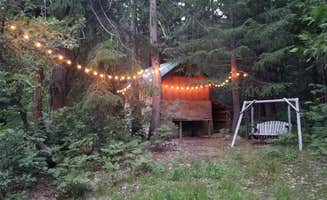
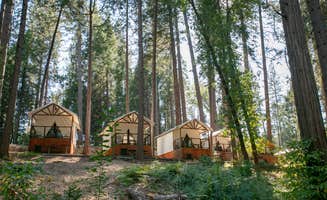
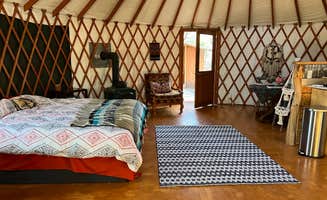
Off-grid experience: Inn Town Campground offers a comfortable introduction to glamping close to Plumas National Forest. "The Inn Town Campground is unlike any other campground I've ever been to. We have stayed in one of the glamping tents, and have also brought our RV. The common house has a fully stocked kitchen so you can camp without having to bring supplies!" notes Amanda M.
What you should know
Limited cell coverage: Many campgrounds have minimal or no connectivity. At Thousand Trails Lake of the Springs, "No cell service in any of the loops and WiFi isn't great," reports Nicole R.
Seasonal limitations: Most luxury camping accommodations operate during a limited window. "We spent 5 nights here and while I love the more 'famous' Sierra attractions, I have to say: I didn't miss the crowds. Plumas is what Tahoe was like in the 1950's," remarks Nathaniel S. about Little Bear RV Park.
Supply planning: Advance preparation is necessary for remote sites. "There's no cell service and no services at the campsite so pick up firewood from the one motel/cafe/gas/market on the way in," advises Danielle B. about Sardine Lake.
Tips for camping with families
Swimming options: Locate campgrounds with safe swimming areas for children. "The lake is beautiful and Sand Pond is great for swimming. There is plenty of hiking and fishing around and it is such a peaceful place to relax and read a book," recommends Hannah O. about Sardine Lake Campground.
Wildlife encounters: Family-friendly wildlife viewing opportunities abound. At Thousand Trails Lake of the Springs, "Each day a family of deer came thru our site and were so tame they ate fruit right out of the kids' hands. So cool!" shares Nicole G.
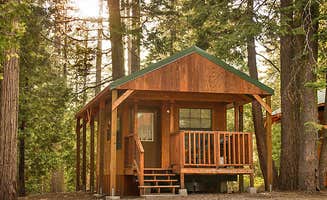
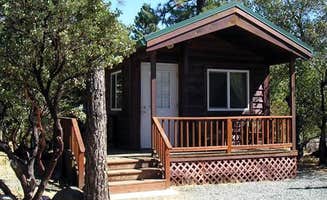
Glamping alternatives: For families new to outdoor experiences, luxury camping provides an accessible introduction. Collins Lake Recreation Area offers cabin options for families wanting glamping comfort. "The campground also rents different types of boats and cabins at this campground," mentions Ed E.
Tips from RVers
Site selection considerations: Choose level sites with adequate clearance for larger vehicles. "It's pretty tight spaces and not a lot of privacy. We ended up moving to site 4, had more room and our door was facing our camp," advises Ron A. about East Meadow Campground.
Hookup availability: Full hookup sites can be limited at popular locations. "A bit out in middle of nowhere! But once inside park it's really nice if you can get a full hook up spot.... those are limited!" notes Betty K. about Thousand Trails Lake of the Springs.
Weather preparation: Temperature fluctuations require planning for heating and cooling needs. "We were in Site 23 was shorter than expected which upped the parking challenge but squeezed in okay. Had a great time - large area to spread gear out in, easy walk to semi-private cove on lake," shares Ron G. about his Grasshopper Flat experience.





 Traveler


