Camping in the Colfax area sits at elevations between 1,500 and 3,000 feet in the Sierra Nevada foothills. The region experiences hot, dry summers with temperatures regularly exceeding 90°F from June through August, while winter nights often drop below freezing. Most campgrounds near Colfax close unmarked forest roads during winter months due to hazardous conditions and deep snow accumulation.
What to do
Swimming in reservoir waters: Giant Gap Campground offers excellent swimming opportunities at Sugar Pine Reservoir. "We went in the end of June and the water was awesome for swimming. Not too cold like a lot of the mountain reservoirs," notes one camper at Giant Gap. The water is particularly appealing because motorized boats are prohibited, creating a peaceful swimming environment.
Gold panning: Ruck-A-Chucky Campground provides access to gold panning along the American River. "If you're lucky and know how to read the river, gold panning is a must!" reports one visitor. The campground's location at a significant river bend creates optimal conditions for finding small gold deposits in river sediment.
Hiking reservoir trails: The 5-mile loop trail around Sugar Pine Reservoir at Giant Gap Campground offers accessible hiking for most ability levels. "There is a great trail that goes entirely around the lake," shares one camper. The trail provides continuous water views and several access points back to the campground.
Off-road trail access: For motorsport enthusiasts, Dru Barner Campground connects directly to the Georgetown OHV trail system. "You're also about 3 or 4 miles away from the Georgetown OHV which made it an easy ride to get to the dirt," one visitor notes. The area provides technical terrain suitable for dirt bikes and ATVs.
What campers like
Equestrian facilities: Dru Barner Campground offers dedicated horse corrals for equestrian campers. "Must visit for horse lovers!" mentions one reviewer. The campground maintains separate camping areas for horses and non-equestrian campers, with trail access directly from the facility.
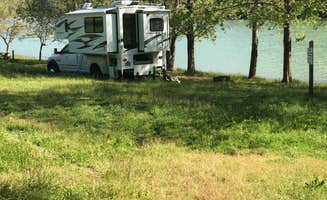
Reservoir-side camping: Sites 23 and 24 at Giant Gap provide prime waterfront access. "The campsites are all very nice but 23 and 24 can't be beat with the best access to the water," explains one camper who appreciates the proximity despite noting, "you will have a lot of people walking by to get there."
Clean facilities: Inn Town Campground maintains exceptionally clean shower and bathroom facilities. "They have dish washing stations and the absolute nicest, cleanest bathrooms/showers I've ever seen in a campground," reports one visitor. The campground employs daily cleaning protocols even during peak season.
Cell service: Despite its remote feel, Dru Barner maintains surprisingly reliable connectivity. "I used my WeBoost and was able to teach online and even stream some TV," mentions one camper. Verizon users report 1-2 bars of service throughout most of the campground, with stronger signals at higher elevation sites.
What you should know
Road access challenges: Several campgrounds require navigating difficult roads. For Ruck-A-Chucky Campground, "the 3 mile road down is a bit treacherous (maybe don't take your RV) but makes you feel 'out there'." Similarly, at Giant Gap, one visitor warns: "Google maps will suggest driving up Iowa Hill. DO NOT. Follow the directions of the campground, that road is not for the faint of heart."
Bear activity: Most campgrounds in the area report active bear populations requiring proper food storage. At Mineral Bar Campground, visitors note having "seen several bears" near the campsites. Most established sites provide bear-resistant food lockers.
Water availability: Drought conditions frequently affect water access. "Bring water as there is none available due to poor quality" warns one Dru Barner camper. Many campgrounds shut off potable water during dry periods, requiring campers to bring their own drinking water.
Seasonal pests: Insect activity peaks during summer months. "The only negative were the excessive amount of bees during the day. Our site was swarming and several of us were stung," reports one Giant Gap visitor from July. Yellow jacket activity typically increases near water sources during late summer.
Tips for camping with families
Reservoir recreation: Greenhorn Campground at Rollins Lake provides family-friendly water access. "There are multiple campsites by the water, no need to drive or take a long walk," explains one visitor. The on-site store sells essential supplies, tubes, and fishing gear for children.
Playground access: Inn Town Campground maintains multiple play areas. "They have pool, playground, basketball and soccer," notes one family. The facilities include separate play structures for different age groups located away from RV areas for safety.
Noise considerations: Giant Gap experiences variable noise levels depending on timing. "Noisy campers past 10 pm. Fireworks, and gun shots heard nightly (after the 4th of July)," reports one camper, adding it's "not an ideal spot to bring your dog if they do like fireworks." Weekday camping typically offers quieter conditions.
Shade importance: Most campsites at Giant Gap "stayed shady throughout the day," an important consideration when camping with children during summer. Sites 11-15 receive the most consistent afternoon shade according to visitor reports.
Tips from RVers
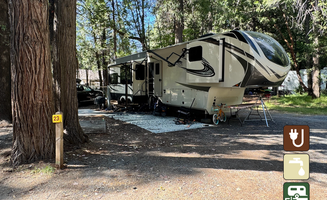
Site selection: At Nevada County Fairgrounds, RVers should be aware of tight spacing. "Very very small sites. Hardly enough space to put out the awning and set up some chairs," cautions one visitor. The fairground camping area provides minimal privacy between sites.
Leveling needs: RV campers at Nevada County Fairgrounds often encounter uneven terrain. "Sites are not very level either. I needed to raise my front end 6 inches to get level," reports one RVer. The grass-surface sites shift seasonally, requiring adjustable leveling systems.
Hookup options: Inn Town Campground doesn't provide typical RV hookups. "The common house has a fully stocked kitchen so you can camp without having to bring supplies!" explains one RVer who appreciates this alternative approach to conventional hookups.
Dry camping preparation: For Greenhorn Campground, RVers should come prepared for no hookups. "Note this is dry camping so you should bring generators if you have a trailer," advises one camper who visits annually with friends in travel trailers.













 Traveler


