








Chandler M. Guide
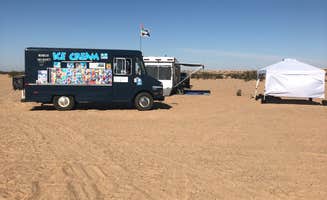
GuideSalton City Beach
Closed for work.
California's dispersed camping areas range from high desert sites at Alabama Hills Recreation Area and Joshua Tree South to mountainous locations near Yosemite National Park camp sites and Lassen National Park. Most sites are accessible via drive-in routes, though road conditions vary significantly, with some requiring high-clearance vehicles. A review noted, "Because of poor reception unable to find. Definitely way out there," highlighting the remote nature of many locations.
These free California primitive tent sites typically lack amenities such as drinking water, electric hookups, and showers. While fires are permitted at most locations, restrictions may apply seasonally. Several areas include basic vault toilets, though maintenance varies. As one camper observed at Butte Creek, "There is a vault toilet but it is not well kept." Visitors should be prepared for self-sufficient camping, as most sites have no trash facilities, requiring pack-in, pack-out practices. Cell service is often limited or nonexistent, making offline maps essential for navigation.
Compare 2 top campgrounds at a time to find your favorite!
Round 1 of 5
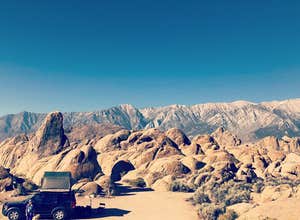
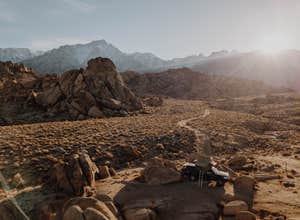
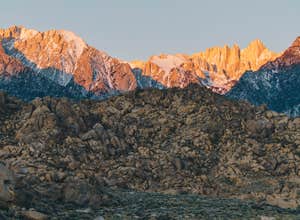
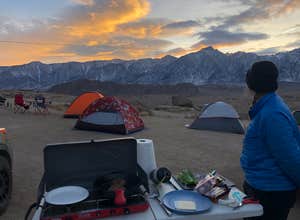
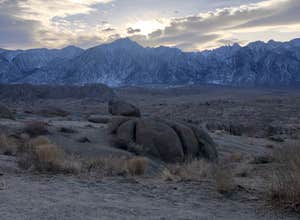
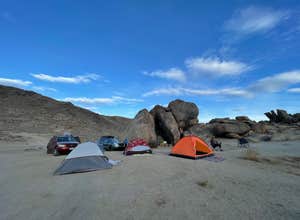
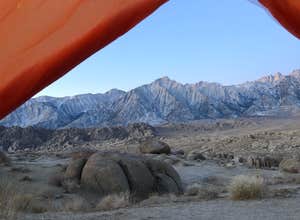
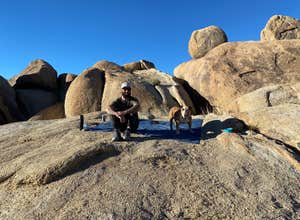
"Location- ALABAMA HILLS, Lone Pine- Movie Rd. CA. Tent Dry Camping. BLM Land, for disperse camping. No reservations required, unless you choose to stay at a “campground”."
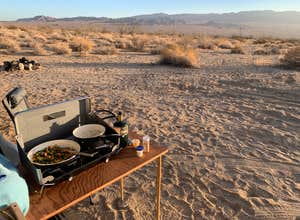
"Camped in the dispersed camping area late April. This place is beautiful! No facilities so bring your water, bathroom equipment, cooking and cleaning supplies."
"Excellent spot 7 min from the Yosemite South Wawona Entrance. Im staying at a dispersed camping spot in late July and there is level, paved parking with tent camping spots."
"After accidentally driving to this location following the directions of another reviewer for the “Yosemite Boondocks” campground across 41 (which we never found) we were very happy with this location."
"This campground (and I use the term loosely) is everything that I love about BLM land - dispersed, quiet, and FREE!"
"This area is managed by BLM, which means it's free to use for up to 14 days at a time. There are no hookups or facilities, and it's pack it in, pack it out. "
"Pit toilet. Pack it out - no trash service. No water. If you go left as you come in you can camp along a rock wall filled with agave, cholla and other plants."
"Got up in the morning and went all the way until the end of the road on maps (Apple or Google) on our 2WD, was doable. 4 bars T Mobile LTE where we were. Campsite itself was very nice."
"There are multiple spots off a dirt road atop the hill. There were multiple others car camping but we were able to find a spot and didn't even make it as far as the provided coordinates."
"Hard to access. Rutted dirt road. We are traveling in a truck/cabover combo and we did see a camper van along with day use cars. I wouldn’t try to tow anything up here."
"Amenities include one vault toilet, sometimes runs out of toilet paper on a busy weekend, picnic tables with shelter and fire pits. No water, no trash, fire bans most the dry months."
"Sites have covered shelter with metal picnic tables with overhangs for stove and a fire ring. Sites 5 and 7 suitable for larger rigs. Site 5 is pull thru will accommodate 40ft+ rig and pull vehicle."
"Very close to the park. Right off the highway and easy to find. No water, no restrooms and no cell service. Be careful if you tent camp off the pads."
"A beautiful and remote area of Death Valley National Park “backcountry.” Be sure to research the Park’s rules for disperse camping."
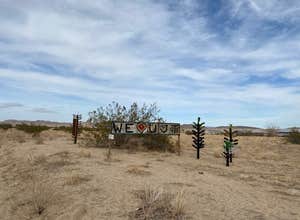
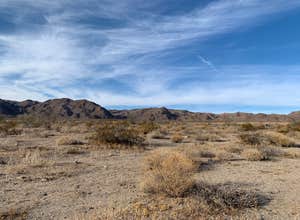
"Free camping just outside Joshua Tree. No amenities or designated campsites. Large open area where you can camp wherever you'd like."
"It's free camping so be respectful and clean up after yourself. That said, there are no facilities so pack it in and pack it out."
"The address on google maps however DOES NOT lead to the camping destination but we ended up running into a couple of ATV’ers that led us in the right direction."
"Just pull onto one of the dirt roads on the left and find a spot! Any car or smaller RV could easily drive the road."
"Wonderful dispersed free camping in Mojave National Preserve. Find the first road adjacent to the white cross memorial."
"Great place for desert boondocking! Very quiet and amazing stars! Joshua Trees all around. Coyotes howling at night. Watch out for cacti which are enormous!"
GuideClosed for work.

 Scout
Amazing location! Surprisingly private and quiet for being so easily accessible. There’s one road in and then several pull offs. We were able to find one that fit our campervan and our friends’ 25’ RV.
ScoutGreat spot for just a quick stop to sleep. There wasn’t anybody else around and the (almost) full moon was stunning! Be careful when using Google Maps, it took us a weird way at first and we had to take the alternate route on the map. Once on it, there are some soft sand wash areas that were okay (we have AWD) but could be a little sketchy in rain or for lower clearance cars.
GuideAs the previous comment the flies were crazy. Found them fornicating in the RV. Yes you can smell the cows or fertilizer or both. But very nice spot to watch the super moon on Nov 24, 2026. On the 24th I had sunset in the west as the super moon rose in the east.
 Traveler
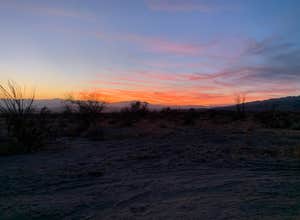
The sunsets are the best out there!
GuideCurrently closed. Gates closed and locked
GuideRight off the 15 freeway but noise is minimal the further out you camp. Quite a bit of trash around but not at all sites. Several pull off areas with flat ground. Check the ground before camping. Several areas have broken glass around the campsites. Good cell phone service. Not a bad area to camp if you’re in the Victorville area. Shooting range is close so hearing gunshots during the day is prevalent.
ScoutOverall it was great. Nice sunsets and sunrises. However, it is temporary closed due to it being a protected habitat for the endangered tortoise. I was here for 2 days with no problems, and on the third day a park ranger approached my vehicle and said this area was closed off for camping and any OHV activity.
GuideUnless you’re here to ride dirt bikes I wouldn’t suggest camping here. You can hear dirt bikes all day and night but that’s to be expected. It’s not a bad place to stay if you need somewhere to camp for a couple days in the area. No cell phone service at all. The vault toilets were very clean however.
Discover the beauty of dispersed camping in California, where nature lovers can find serene spots away from the crowds, offering a unique outdoor experience.
Frequently Asked Questions
Where are the best locations for dispersed camping in California?
California offers exceptional dispersed camping across diverse landscapes. The Alabama Hills Recreation Area near Lone Pine provides breathtaking scenery with unique rock formations and Sierra Nevada views - perfect for tent camping with no reservations required. For forest settings, the South Ridge Yellow Post Sites in San Bernardino National Forest offer secluded, free sites with fire rings and picnic tables. Other prime locations include Death Valley's eastern boundary, Joshua Tree's BLM areas, Los Padres National Forest, and Williams Hill Recreation Area. Most dispersed sites require self-sufficiency with no amenities - pack water, pack out trash, and check fire restrictions before visiting. High-clearance vehicles are recommended for accessing many of these remote areas.
What BLM land in California allows free dispersed camping?
California has extensive BLM lands offering free dispersed camping with a typical 14-day stay limit. The Amboy Crater Dispersed area provides surreal desert landscapes with open camping areas accessible to most vehicles. Death Valley: Dispersed Camping East Side of Park offers large spaces with level pads right off the highway, though tent campers should be careful of sharp rocks. Other notable free BLM camping areas include Monarch-Rand Mine, Williams Hill Recreation Area, Joshua Tree South, and Crab Cooker Hotsprings (requiring high clearance vehicles). Most BLM sites lack amenities - no water, toilets, or trash service - so come prepared with supplies and follow Leave No Trace principles. Always check for seasonal fire restrictions before visiting.
Is dispersed camping allowed on the California coast?
Dispersed camping directly on California beaches is generally prohibited, with most coastal areas strictly regulated through established campgrounds requiring reservations and fees. The Laurel Springs Campground offers a dispersed option in the coastal mountains rather than directly on the shore, accessible via narrow paths better suited for small vehicles than large RVs. For legal coastal dispersed camping, look to national forests near the coast like Los Padres, which has sites within driving distance of beaches. TV Tower Road Dispersed Camping near Santa Margarita provides free camping within reasonable driving distance to coastal areas. Always check local regulations, as coastal areas have stricter enforcement due to high visitation and environmental sensitivity.
Do I need permits for dispersed camping in California?
Permit requirements for dispersed camping in California vary by location. Many areas like Williams Hill Recreation Area and Monarch-Rand Mine don't require specific camping permits, but do have stay limits (typically 14 days). However, you'll often need a California Campfire Permit for any fire or stove use, available online for free. Some wilderness areas and popular regions require additional permits - especially during high fire danger seasons. National forests may require a free or low-cost Adventure Pass for parking. For BLM lands, permits are generally not needed, but seasonal fire restrictions may apply. Always check the specific land management agency's website before your trip, as requirements change seasonally and enforcement has increased in popular areas.
What are the differences between dispersed camping in Northern versus Southern California?
Northern California dispersed camping typically features dense forests, mountain meadows, and coastal redwoods with more seasonal limitations due to snow at higher elevations. The Los Padres National Forest dispersed camping exemplifies central/northern areas with dirt road access and moderate traffic from locals and OHV enthusiasts. Southern California offers desert landscapes with year-round accessibility. The Joshua Tree North BLM represents typical southern sites with vast open spaces and minimal shade. Northern areas generally have more water sources but stricter seasonal fire restrictions, while southern regions provide winter warmth but require carrying all water. Cell service is typically better near northern population centers, while southern desert camping offers more solitude but requires greater self-sufficiency.
Keep Exploring