
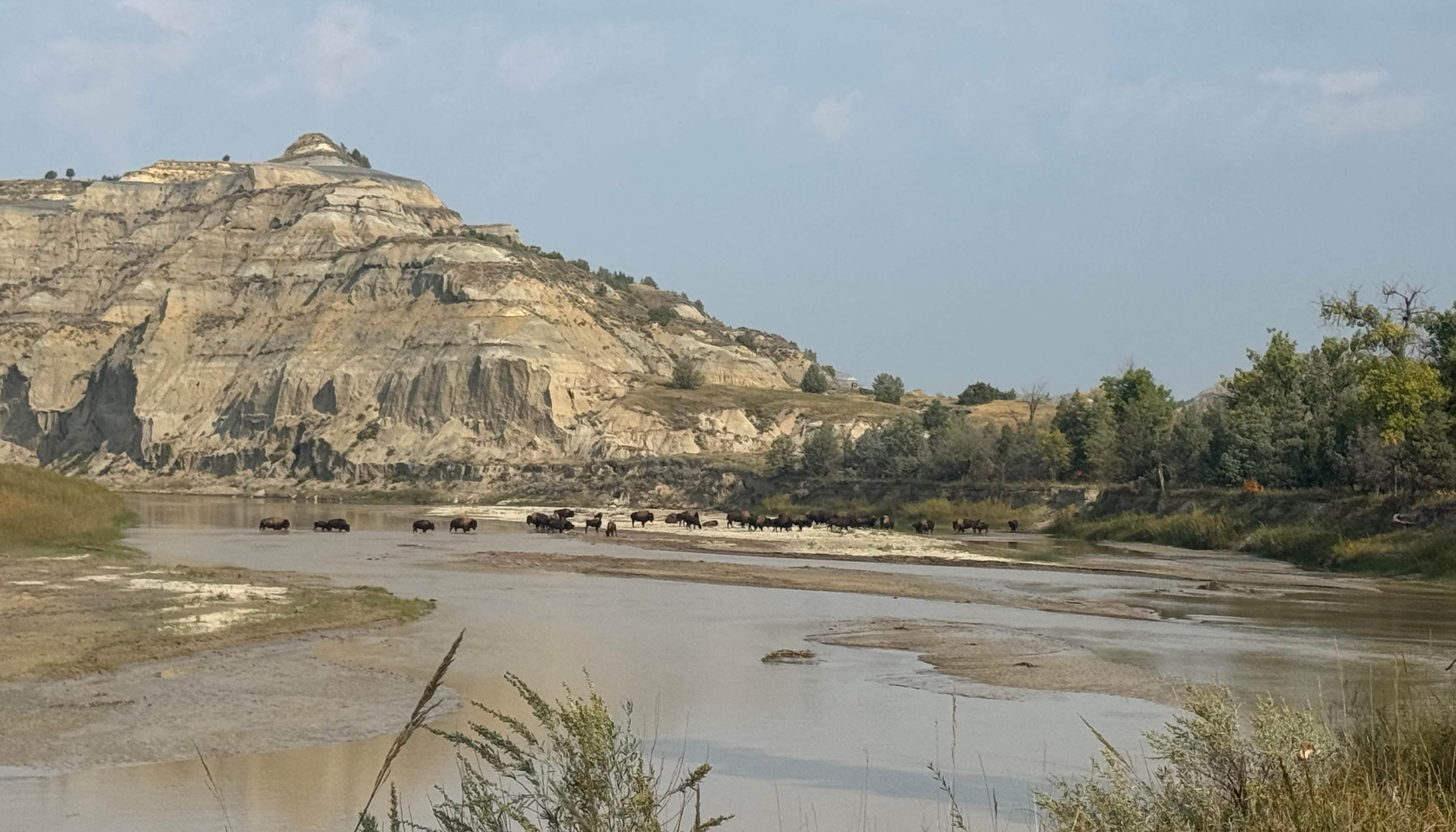
 Photo by Cable A.
Theodore Roosevelt National Park Camping Guide
Updated: April 2026
Theodore Roosevelt National Park offers two established campgrounds with approximately 126 total sites set amid North Dakota's rugged Badlands. Cottonwood Campground in the park's South Unit and Juniper Campground in the North Unit provide tent and RV campers a primitive stay inside park boundaries. A separate Roundup Group Horse Camp caters to equestrian groups, underscoring this park's unique horseback opportunities. Beyond the park, additional camping options near Theodore Roosevelt National Park extend the range of experiences from state parks along the Little Missouri River to national grassland sites and private campgrounds in Medora. This guide covers everything you need to know about planning, booking, and enjoying a Theodore Roosevelt camping trip, with practical advice from campers who've been there.
Theodore Roosevelt National Park Camping at a Glance
Starting May 1, 2026, all camping in Theodore Roosevelt National Park requires advance reservations through Recreation.gov -- the previous first-come, first-served system at Juniper and the mixed system at Cottonwood are no longer in effect. Same-day reservations are possible through the platform when sites are available. Cash and checks are no longer accepted; all entrance and camping fees must be paid by credit or debit card. The South Unit loop road fully reopened in November 2025 after multi-year landslide repairs, and the entire loop is once again accessible.
Standard campsites at Cottonwood and Juniper now cost $20 per night during peak season (May 15 through September 30) and $10 per night off-season (October 1 through May 14). Group sites at Cottonwood and Juniper cost $60 per night, and Roundup Group Horse Camp costs $70 per night. Senior and Access pass holders pay 50% of standard rates. Neither Cottonwood nor Juniper has showers or electrical hookups, so plan for a fully self-supported stay. The Little Missouri National Grassland surrounding the park offers dispersed camping near Theodore Roosevelt -- free alternatives just outside park boundaries with no permit required. Wildlife encounters are a hallmark of camping here -- don't be surprised to see bison, wild horses, or prairie dogs wandering near your campsite.
Note for 2026 visitors: Cottonwood Campground and Roundup Group Horse Camp are scheduled to close June 28 through July 10, 2026, to accommodate the Theodore Roosevelt Presidential Library grand opening event. Confirm current conditions at the NPS website before booking dates in that window.
Theodore Roosevelt National Park Campground Quick Facts
| Quick Facts | Details |
|---|---|
| Number of Campgrounds | 2 developed campgrounds (South & North Units) plus 1 group horse camp |
| Total Campsites | Approximately 126 individual sites (Cottonwood: 76; Juniper: 50) + group sites at each campground and Roundup Horse Camp (up to 20 people + horses) |
| Campsite Costs | $20 per night peak season (May 15 - Sept 30); $10 per night off-season (Oct 1 - May 14) Group sites: $60/night (Cottonwood & Juniper); $70/night (Roundup Horse Camp) 50% discount for Senior/Access pass holders |
| Reservation Platforms | Recreation.gov required for ALL sites starting May 1, 2026 Same-day reservations available; cash not accepted |
| Camping Seasons | Cottonwood north loop open year-round; south loop open mid-May through September Juniper open May through September Roundup Horse Camp open May 1 through October 31 Potable water & flush toilets available roughly May - September (vault toilets in winter) |
| Temperature Ranges | Summer: Days 80-90 degrees F, Nights 50-60 degrees F Spring/Fall: Days 50-70 degrees F, Nights 25-40 degrees F Winter: Days 20-30 degrees F, Nights 0-10 degrees F (subzero cold snaps) |
| Dump Station | Juniper Campground only (no dump station at Cottonwood or Roundup); alternatives at Rough Rider State Park and Medora |
| Cell Coverage | Cottonwood: inconsistent; Juniper: limited (one bar Verizon/AT&T); some campers use Starlink |
| 2026 Updates | All sites now fully reservable via Recreation.gov (May 1, 2026) South Unit loop road fully reopened (November 2025) Cottonwood & Roundup closed June 28 - July 10, 2026 (special event) No in-park showers or hookups at any campground |
Theodore Roosevelt Campgrounds: Complete Guide
South Unit Campgrounds
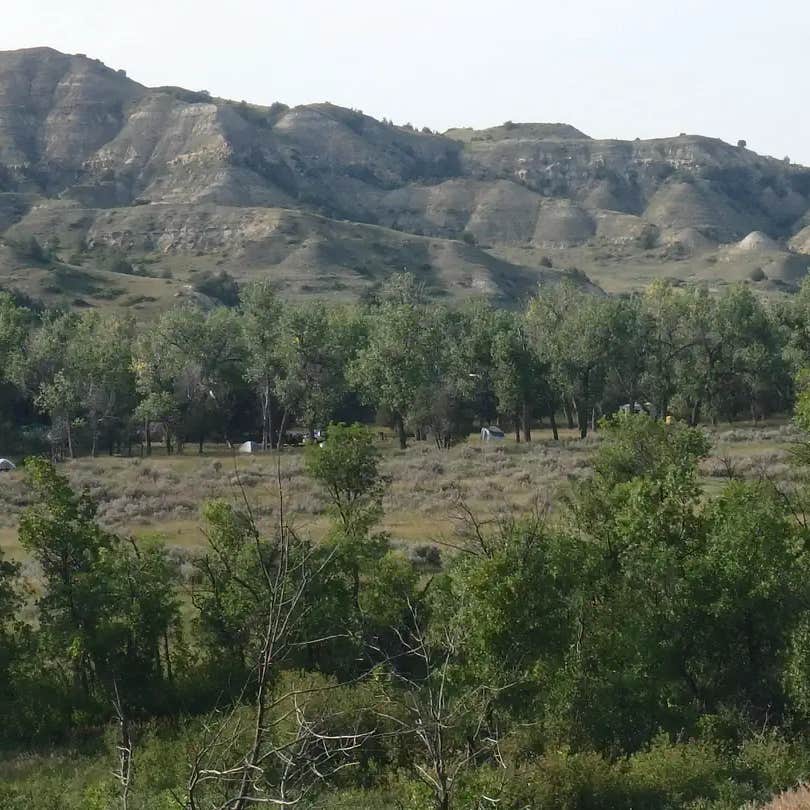
Cottonwood Campground — Theodore Roosevelt National Park
Cottonwood Campground is the park's main South Unit campground, located along the Little Missouri River about 5 miles from Medora. Its 76 sites are divided into two loops: the north loop stays open year-round, while the south loop operates mid-May through September. Sites among tall cottonwood trees provide partial shade and a riverside setting. All sites are primitive with picnic tables, fire pits, seasonal drinking water, and vault toilets (flush toilets available in summer). RVs up to 45 feet can be accommodated on pull-through pads, though there are no hookups or dump station. Starting May 1, 2026, all sites require reservations via Recreation.gov; same-day booking is possible when sites are open. Cash is not accepted -- credit or debit only. Wildlife like bison and wild horses frequently roam through camp. Cottonwood has inconsistent cell service; some campers use Starlink for reliable connectivity. Top-rated sites from Dyrt reviews include sites 3, 9, 46, 67, and 72 for privacy and views, plus the walk-in riverfront sites 55-66 for a more peaceful experience away from the road.
North Unit Campgrounds
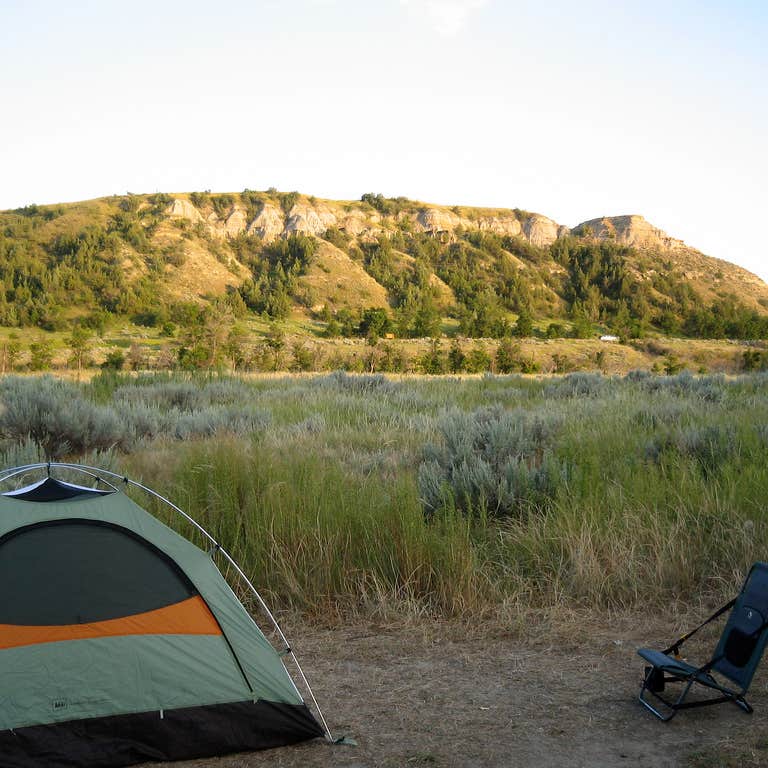
Juniper Campground — Theodore Roosevelt National Park
Juniper Campground is the sole North Unit campground, offering 50 sites amid a landscape of juniper and cottonwood trees near the Little Missouri River, open May through September. Starting May 1, 2026, all sites require reservations through Recreation.gov -- the previous first-come, first-served system no longer applies. Sites are generally spacious, with many offering good privacy. Facilities include picnic tables, fire rings, flush toilets and potable water in summer (vault toilets otherwise), and a dump station. Important water note: spigots away from the restrooms have high fluoride content and are non-potable -- use water from restroom-area taps only. No showers or hookups are available. RVs and trailers are allowed; sites 32, 42, 43, and 49 accommodate larger rigs and offer more privacy. Cell coverage is limited to one bar on Verizon or AT&T in some spots. Campers love Juniper for its quiet, uncrowded atmosphere and frequent wildlife sightings -- bison often graze nearby and prairie dog towns dot the surrounding area. A group site is available by reservation (opens March 1 annually).
Campgrounds Near Theodore Roosevelt National Park
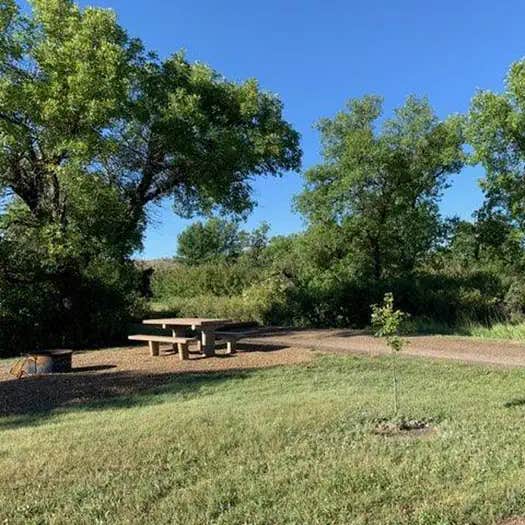
Buffalo Gap Campground (ND)
Buffalo Gap Campground sits on the Little Missouri National Grassland just outside the South Unit (about 10 minutes from Medora). This U.S. Forest Service campground has 24 paved sites for both tents and RVs, with flush toilets and hot showers -- a welcome amenity after days of primitive camping. All sites are first-come, first-served (some may be reservable on Recreation.gov), and the nightly fee is around $20. Pull-through sites accommodate large RVs, and there's a dump station on-site. A few sites near the interstate experience highway noise. Campers appreciate the clean facilities and friendly camp hosts, and the South Unit entrance is a 5-mile drive away. Note that Buffalo Gap typically closes for winter -- confirm availability before a late-season visit.
Sully Creek State Park — Sully Creek State Recreation Area
Rough Rider State Park (formerly Sully Creek State Park) is located just 4 miles south of Medora and the South Unit, with a recently completed expansion that nearly doubled capacity to approximately 70 modern sites along the Little Missouri River. The park is known for wide-open Badlands views, horse-friendly facilities, and direct access to the Maah Daah Hey Trail. Sites range from primitive tent spots to electric RV sites (no sewer hookups, but a dump station and potable water are available). Equestrian campers will find corrals and dedicated horse campsites with electric and water hookups. Amenities include flush toilets and coin-operated showers. Cell coverage is generally reliable here compared to the in-park campgrounds. Campsites can be reserved online (up to 95 days in advance) and cost around $25 per night plus a daily vehicle entry fee. This is an excellent base for South Unit day trips when Cottonwood is full.
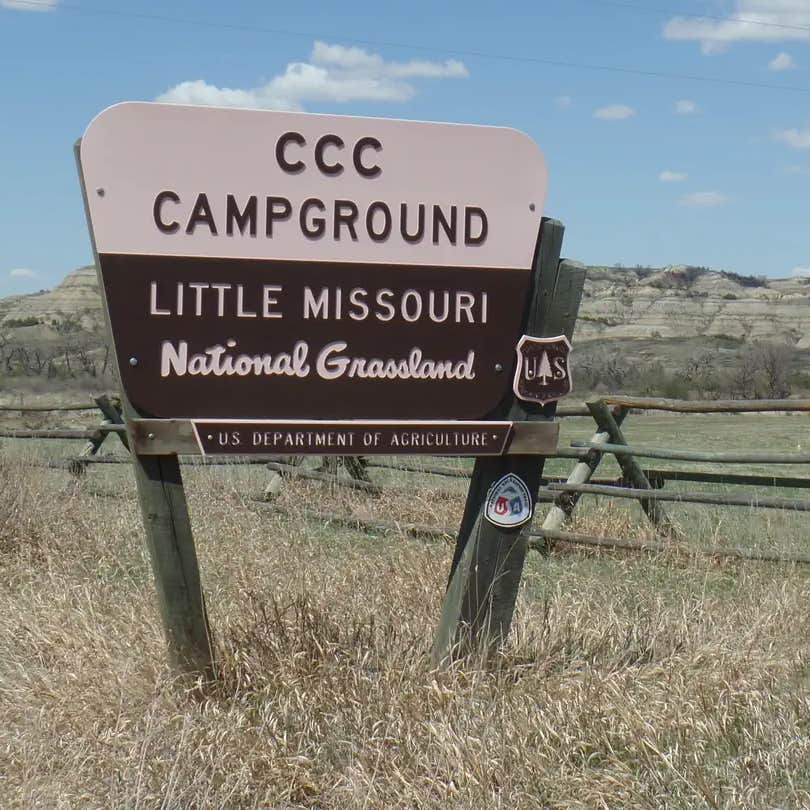
Ccc Campground (Nd) — Dakota Prairie National Grasslands
CCC Campground is a peaceful campground in the Little Missouri National Grassland north of the park's North Unit (about 30 minutes from Watford City). Its 22 sites are spread across three loops on a bluff overlooking the Badlands. Campsites are primitive (no hookups), with vault toilets and a hand-pump for water available in summer. The campground has direct access to the Maah Daah Hey Trail, making it popular with hikers, bikers, and horseback riders (horses are allowed in one loop, with a few corrals provided). At only $10 per night (half price with federal passes), CCC Campground is a budget-friendly alternative. Visitors report 360-degree views and good wildlife watching. There's limited shade, so bring a canopy or shade tarp for summer. CCC sees fewer campers even on holiday weekends, earning a reputation as a lesser-known spot for Badlands solitude within easy reach of the North Unit.
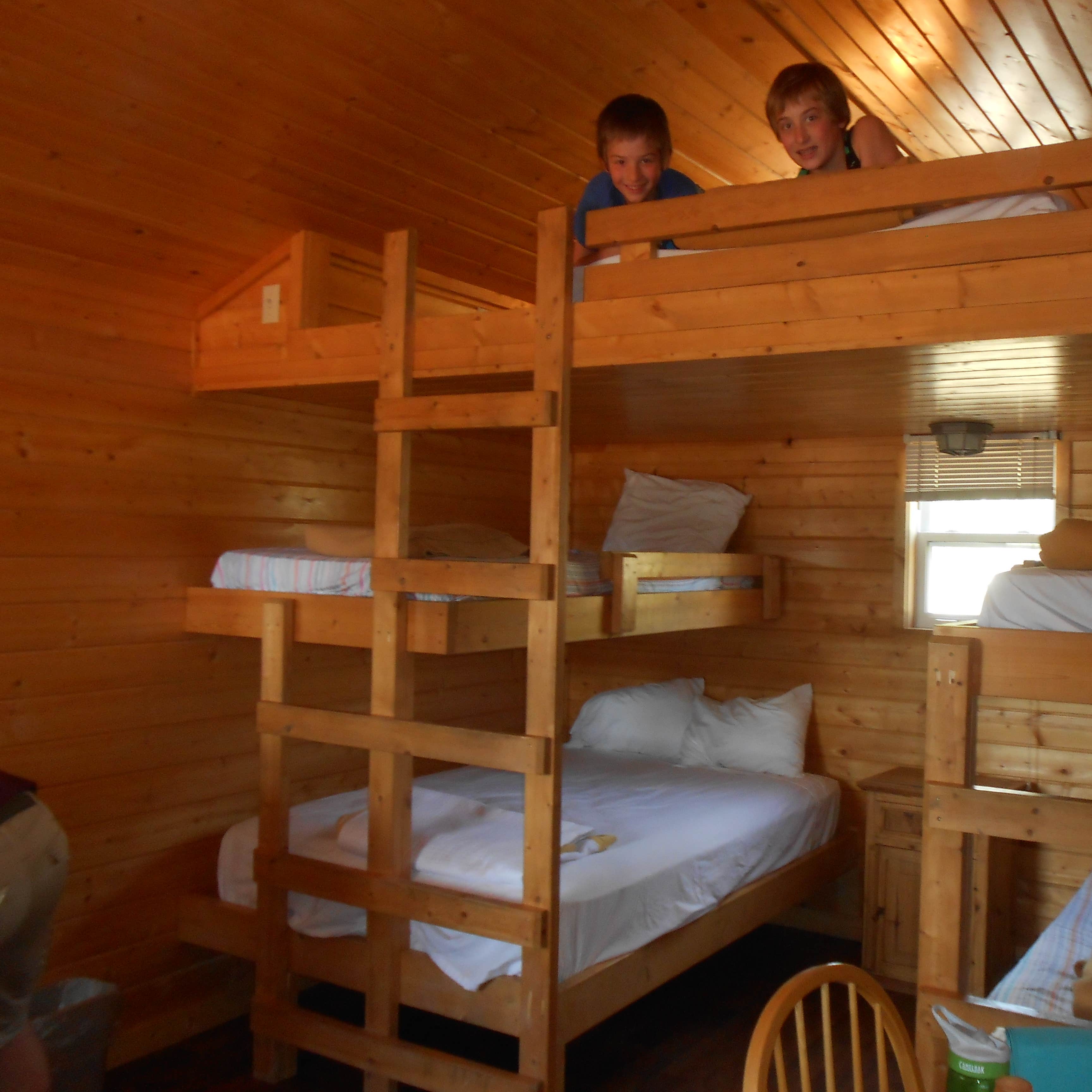
Medora Campground
Medora Campground is a privately managed campground on the edge of Medora, essentially at the doorstep of the park's South Unit. With around 150 sites -- including tent spaces, full hookup RV sites, and simple camping cabins -- it provides conveniences like showers, flush toilets, laundry, Wi-Fi, and playground and seasonal pool access. Sites sit along the Little Missouri River; while not heavily wooded, the campground offers easy walking access to Medora's restaurants and the famous Medora Musical. Nightly rates range from about $30-$60 depending on site type and hookups. This campground works well for families and RV travelers who want close proximity to town and a few more amenities while staying minutes from the national park entrance. Reservations are recommended in summer due to Medora's popularity.
Campground Comparison Table
| Campground | Location & Sites | Cost & Reservations |
|---|---|---|
| Cottonwood Campground | South Unit (Medora area) 76 sites; tents & RVs up to 45 ft North loop: year-round; South loop: mid-May - Sept | $20/night peak; $10/night off-season Fully reservable via Recreation.gov (May 1, 2026+) No hookups; no dump station; credit/debit only |
| Juniper Campground | North Unit (near Watford City) 50 sites; tents & RVs (sites 32, 42, 43, 49 for larger rigs) Open May - September | $20/night peak; $10/night off-season Fully reservable via Recreation.gov (May 1, 2026+) Dump station on-site; no hookups; credit/debit only |
| Roundup Horse Camp | South Unit backcountry 1 group site (20 people + horses or 30 without) Open May 1 - Oct 31 (closed June 28 - July 10, 2026) | $70/night Reservations open March 1 via Recreation.gov No hookups; water may be unavailable early/late season |
| Rough Rider State Park | 4 mi from South Unit About 70 sites (recently expanded); electric RV sites, horse corrals | About $25/night (electric sites) ND state parks reservation system (up to 95 days out) Dump station; showers; good cell coverage |
| Buffalo Gap Campground | Near South Unit (I-94 Exit 18) 24 paved sites; flush toilets & showers | About $20/night First-come (some sites via Recreation.gov) Dump station on-site; closes in winter |
| Medora Campground | Medora town (South Unit) About 150 sites; tent, RV hookups, cabins | $30-$60/night Private -- call or book online Full hookups, showers, Wi-Fi, pool, laundry |
Campground Amenities and Best Uses
South Unit (Cottonwood): Offers a riverfront prairie setting ideal for wildlife viewing and easy access to South Unit sights. Cottonwood is best for tent campers near Theodore Roosevelt and smaller RVs who don't need hookups. Sites have shade from cottonwood trees and proximity to trailheads (Wind Canyon, Ridgeline Trail). Bison and wild horses pass through camp regularly. The south loop provides the most solitude; the north loop is the only option in winter.
North Unit (Juniper): Provides quiet, more secluded camping with roomy sites and lower visitation than the South Unit. Juniper is a strong pick for tent campers and RV camping near Theodore Roosevelt National Park without hookups. It's the only in-park campground with a dump station. Expect limited cell coverage -- have offline maps ready.
Horse Camps & Equestrian: The Roundup Group Horse Camp inside the park and horse-friendly camping near Medora cater to riders. These options are best for groups with horses planning to traverse portions of the Maah Daah Hey Trail. Advance reservations and certified weed-free feed are required. For travelers with stock animals, these dedicated horse camps near Theodore Roosevelt provide a rare way to experience the Badlands on horseback.
Private & Nearby Options: Campers looking for more amenities or backup options when park campgrounds are full have strong choices nearby. Medora Campground is the go-to for full hookups, showers, and walking access to town -- ideal for RVers, families, or anyone wanting a convenient home base. Buffalo Gap and other Dakota Prairie National Grasslands camping sites offer a more basic setup with flush toilets and showers. Rough Rider State Park's recent expansion adds modern capacity just 4 miles from the South Unit entrance.
Best Campsites at Theodore Roosevelt National Park
Not all sites are equal. Cottonwood Campground's most sought-after spots include sites 3, 9, 46, 67, and 72, consistently praised in Dyrt reviews for privacy, shade, and views of the surrounding Badlands terrain. Walk-in sites 55 through 66 along the river offer the most separation from road noise and a closer connection to the Little Missouri -- these fill first and require carrying gear a short distance from your vehicle. At Juniper Campground, sites 32, 42, 43, and 49 stand out for accommodating larger rigs and providing more seclusion among the juniper trees. Outer loop sites at Juniper also tend to have better separation from neighbors and are quieter overall.
At Roundup Group Horse Camp, there is only one group site -- so availability comes down entirely to booking early when reservations open March 1. All sites across the park now require reservations via Recreation.gov, so plan ahead regardless of which campground you target. Book as soon as the six-month window opens for the best selection.
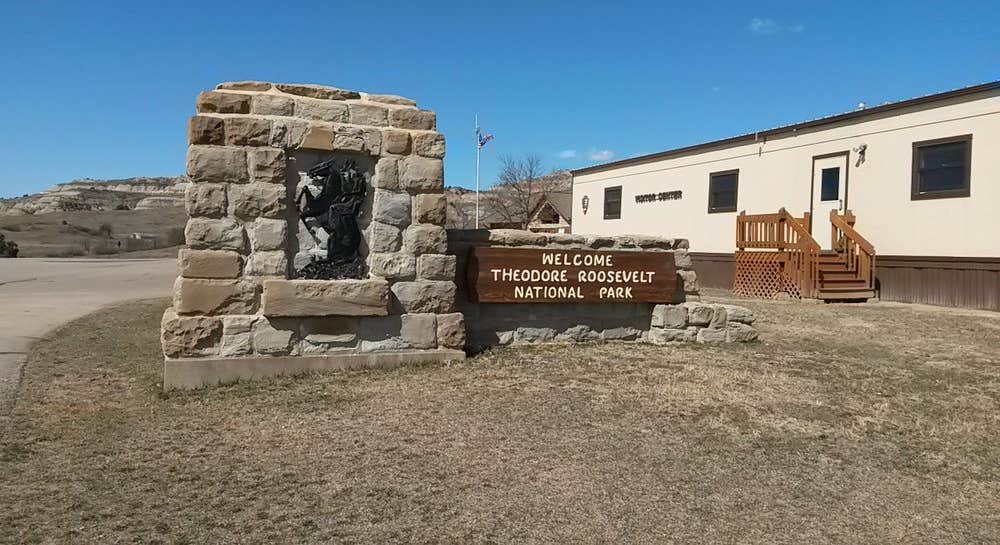 Photo by Jasmine L
Planning Your Theodore Roosevelt Camping Trip 
When to Visit
| Season | Temperatures | Camping Conditions |
|---|---|---|
| Spring (April-May) | Days: 50-65 degrees F Nights: 25-35 degrees F | Cool, windy, and variable weather Cottonwood north loop open; south loop and Juniper open mid-May Water may be off until May; light crowds |
| Summer (June-August) | Days: 80-90 degrees F Nights: 50-60 degrees F | Peak season; all facilities open Hot days with afternoon thunderstorms All sites fully reservable; book early |
| Fall (September-October) | Days: 55-75 degrees F Nights: 30-45 degrees F | Dry, pleasant days; chilly nights Juniper closes after September; Cottonwood south loop closes Water shuts off by mid-fall; lighter crowds |
| Winter (November-March) | Days: 20-40 degrees F Nights: 0-15 degrees F | Cottonwood north loop only; vault toilets only Very low visitation; primitive camping only Some road sections may close after heavy snow |
Spring (April-May):
Early spring in Theodore Roosevelt NP is quiet and often cold. Snow can linger into April, and rain or late snowstorms may make trails muddy. Daytime highs climb into the 50s degrees F by May, but nights still regularly drop below freezing. The Cottonwood north loop is open, but the south loop and Juniper don't open until mid-May. Running water and flush toilets typically come back online around mid-May. Until then, plan to bring water and expect only vault toilets. Wildlife is very active in spring -- bison and deer give birth to calves and fawns, and prairie dog towns are busy with new pups. Crowds stay light until Memorial Day weekend, making spring a good window for uncrowded hiking as the terrain turns green. Pack warm layers and a windproof outer shell; spring weather here is highly variable.
Summer (June-August):
Summer is peak season, when all campground services are running and both unit loop roads are fully open. Days are long and can be hot -- highs in the 80s to low 90s degrees F are common, occasionally topping 100 degrees F in July. Shade is limited in the Badlands, so pack sun protection and plenty of water. Afternoon thunderstorms pop up periodically, bringing lightning and brief heavy downpours; a sturdy tent rainfly is essential. All campground sites now require reservations via Recreation.gov, so book as soon as the six-month window opens. The North Unit draws fewer visitors, so Juniper can feel more open even during peak weeks. Wildlife viewing is best at dawn and dusk -- look for wild horses on ridge lines and bison cooling off in the Little Missouri River.
Fall (September-October):
Autumn brings crisp, clear weather and thinning crowds. September daytime temperatures are very comfortable, often 60-70 degrees F, though nights start dropping into the 30s degrees F by month's end. The cottonwood trees along the Little Missouri turn golden yellow in late September, adding color to Cottonwood Campground and river trails. Wildlife activity increases during the rutting season -- listen for bull elk bugling in the North Unit and watch for bison gathering in large herds. Both campgrounds usually have more availability on weekdays after Labor Day. By early October, Juniper closes for the season, the Cottonwood south loop shuts down, and water systems may be winterized. Layer up for chilly mornings and evenings, but fall afternoons are ideal for hiking and loop road drives with far fewer people on the roads.
Winter (November-March):
Winter camping in Theodore Roosevelt National Park is for prepared, experienced campers only. The Cottonwood north loop stays open year-round, but only vault toilets are available -- no running water, no flush toilets, no showers. Temperatures frequently stay below freezing even during the day, with nighttime lows often hitting 0 degrees F or below. Snow cover can be significant, and strong prairie winds create serious windchills. Some road sections may close after heavy snowfall, limiting access to parts of both units. If you're an experienced winter camper after absolute solitude, this delivers -- days might pass without seeing another person in the campground. Bison are still active in winter, pawing through snow for grass, and coyotes and foxes can often be spotted. A four-season tent, a sleeping bag rated to at least -20 degrees F, and layered insulation are non-negotiable.
How to Make Camping Reservations at Theodore Roosevelt NP
Starting May 1, 2026, every campsite at Theodore Roosevelt National Park -- including all individual sites at Cottonwood and Juniper and all group facilities -- requires a reservation through Recreation.gov. The previous first-come, first-served system has been retired. Cash and checks are no longer accepted; payment must be made by credit or debit card at the time of booking.
Booking Window: Individual campsite reservations open on a rolling six-month window. To maximize your chances of getting a preferred site, set a calendar reminder for the date exactly six months before your planned arrival and log into Recreation.gov at 8:00 AM Mountain Time that morning. Popular sites book within minutes.
Same-Day Reservations: If you haven't booked in advance, same-day availability is possible through Recreation.gov for sites that were not reserved or that had cancellations. Check the platform the morning you plan to arrive.
Group Sites and Horse Camp: The Cottonwood group site, Juniper group site, and Roundup Group Horse Camp all open for reservations on March 1 each year at 8:00 AM Mountain Time via Recreation.gov. Equestrian clubs and organized groups tend to book these quickly, so don't wait if you're planning a group or horse trip.
Pass Holder Discounts: Senior Pass and Access Pass holders still need reservations but pay 50% of the standard nightly rate. Have your pass number ready when booking.
Tips for Securing a Site:
- Create your Recreation.gov account before the booking window opens
- Have alternate dates ready if your first choice is unavailable
- Check back 7-14 days before your trip for cancellations
- For the best site selection at Cottonwood, target the six-month window precisely; for Juniper, the same window applies but competition is somewhat lighter
For questions about availability or booking issues, contact the park directly through the Theodore Roosevelt National Park official website or the Recreation.gov help center.
Theodore Roosevelt NP Campground Costs and Budgeting
| Campground Type | Nightly Cost | Key Features |
|---|---|---|
| In-Park Standard Campgrounds (peak season) | $20 per night (May 15 - Sept 30) | Cottonwood & Juniper; primitive sites, picnic tables, fire rings, seasonal water, vault/flush toilets |
| In-Park Standard Campgrounds (off-season) | $10 per night (Oct 1 - May 14) | Cottonwood north loop only in winter; vault toilets only; no running water |
| Group Sites | $60/night (Cottonwood & Juniper) $70/night (Roundup Horse Camp) | Large groups; corrals at horse camp; vault toilets; reservations open March 1 |
| State Park Campgrounds | About $25 per night (electric sites) | Rough Rider State Park -- electric sites, showers, dump station; plus ND park entry fee |
| Private Campgrounds | $30-$60 per night | Full hookups, showers, Wi-Fi, laundry, pool access (Medora Campground) |
Additional Fees and Budget Tips
Park and Entry Fees: Park entrance costs $30 per vehicle (valid for 7 days), or you can use an America the Beautiful Pass ($80 annually) which covers all national parks. Senior and Access Pass holders receive a 50% discount on campground fees.
Facility and Service Fees: Firewood costs $5-$7 per bundle at Medora stores. Ice costs $3-$5 per bag. RV dump station fees range from $5-$10 at facilities in Medora and Watford City. Coin-operated showers at Rough Rider State Park and Medora facilities cost a few dollars per person. Starlink or portable satellite equipment rental may be worth considering if reliable connectivity is important -- in-park cell coverage is weak.
Budget-Friendly Tips: Dispersed camping in Little Missouri National Grassland is free. U.S. Forest Service sites like CCC Campground charge around $10 per night, often half-price with interagency passes. Camp during the off-season (October through May 14) for a $10 nightly rate inside the park. Stock up on groceries in Dickinson (35 miles east of Medora) before arriving.
Essential Gear for Theodore Roosevelt Camping
Pack for Theodore Roosevelt's extreme temperature swings, intense prairie wind, and remote setting:
Shelter and Sleeping:
- Sturdy four-season tent with extra stakes and guylines for strong prairie winds
- Sleeping bag rated at least 20 degrees F below expected low temperatures
- Insulated sleeping pad (R-value of 3 or higher)
- Extra blankets for cold nights
- Shade tarp or canopy for exposed sites with limited natural shade
Kitchen and Water:
- Camp stove and extra fuel (fire bans are common in late summer)
- Large water jugs (5-7 gallons) -- fill at spigots near restrooms only at Juniper (non-restroom spigots have high fluoride)
- Water filter or treatment tablets as a backup
- Cooler with a tight latch for critter protection
- Trash bags for pack-out
Clothing:
- Layering system for temperature swings from 30s to 90s degrees F
- Windproof and waterproof outer layer
- Wide-brimmed hat, sunglasses, and high-SPF sunscreen for intense sun
- Warm hat and gloves (even for summer nights)
- Sturdy hiking boots
Safety and Navigation:
- Offline maps downloaded before you leave -- cell service is very limited throughout the park
- Headlamp with extra batteries
- Insect repellent with DEET and tick removal tweezers
- First aid kit
- Binoculars for wildlife viewing from safe distances
RV Camping Near Theodore Roosevelt National Park
No campsite inside Theodore Roosevelt National Park offers electrical, water, or sewer hookups. Both Cottonwood and Juniper are primitive -- bring full water supplies and plan to dump tanks outside the park. That said, the park does accommodate RVs up to 45 feet at Cottonwood pull-throughs and up to 50-plus feet at select Juniper sites (32, 42, 43, and 49 are the best fits for larger rigs). Generators are permitted during typical hours (8:00 AM to 8:00 PM). The only in-park dump station is at Juniper; Cottonwood has no dump station.
For RV camping near Theodore Roosevelt National Park with full services, the options just outside the park are solid:
Rough Rider State Park (4 miles from South Unit): Recently expanded to roughly 70 modern sites with electric and water hookups, a dump station, showers, and reliable cell coverage. This is the closest full-service option to the South Unit entrance.
Buffalo Gap Campground (near I-94 Exit 18, South Unit): 24 paved RV sites with flush toilets, hot showers, and a dump station. No hookups, but the paved pads and camp hosts make it a comfortable stop. Closes in winter.
Medora Campground (Medora town): Full hookup sites (electric, water, sewer), showers, laundry, Wi-Fi, and walking access to Medora's restaurants and the Medora Musical. Best bet for larger motorhomes needing all services. Book in advance for summer.
Red Trail Campground (Medora): Another private option in town with hookups and dump station access.
When staying in-park, stop at Rough Rider State Park or Medora Campground for dump station use (typically $5-$10 if not a registered guest). Watford City, 15 miles north of Juniper, also has dump facilities.
Free and Dispersed Camping Near Theodore Roosevelt National Park
There are no free campsites inside the national park, but public land just outside the boundaries offers legitimate dispersed camping at no cost. The Little Missouri National Grassland managed by the U.S. Forest Service surrounds much of the park, and dispersed camping is allowed on most of this land without a permit.
Scoria Pit Dispersed Area: The Scoria Pit Road boondocking area about 5 miles from Medora is a Dyrt community favorite. Campers report being minutes from the South Unit entrance while paying $0. No facilities -- bring everything in and take everything out. Wind can be significant, so stake down your tent thoroughly.
Grassland Boondocking: Open dispersed spots on national grassland camping areas are available throughout the Little Missouri NF. Look for existing fire rings or areas showing prior use to minimize your impact. Standard rules apply: camp at least 200 feet from water, pack out all waste, no new fire rings.
Cell Coverage: Dispersed areas near the Buffalo Gap corridor generally offer better cell reception than in-park campgrounds -- reliable Verizon and AT&T service is reported in some spots.
Regulations to Know: On Little Missouri National Grassland, dispersed camping is allowed without a permit but is subject to a 14-day stay limit. Check the USFS website for any current fire restrictions before heading out. Campfires must use existing rings where available; do not build new pits. If you need water or a dump station after a dispersed stay, Rough Rider State Park and Medora Campground are the nearest options.
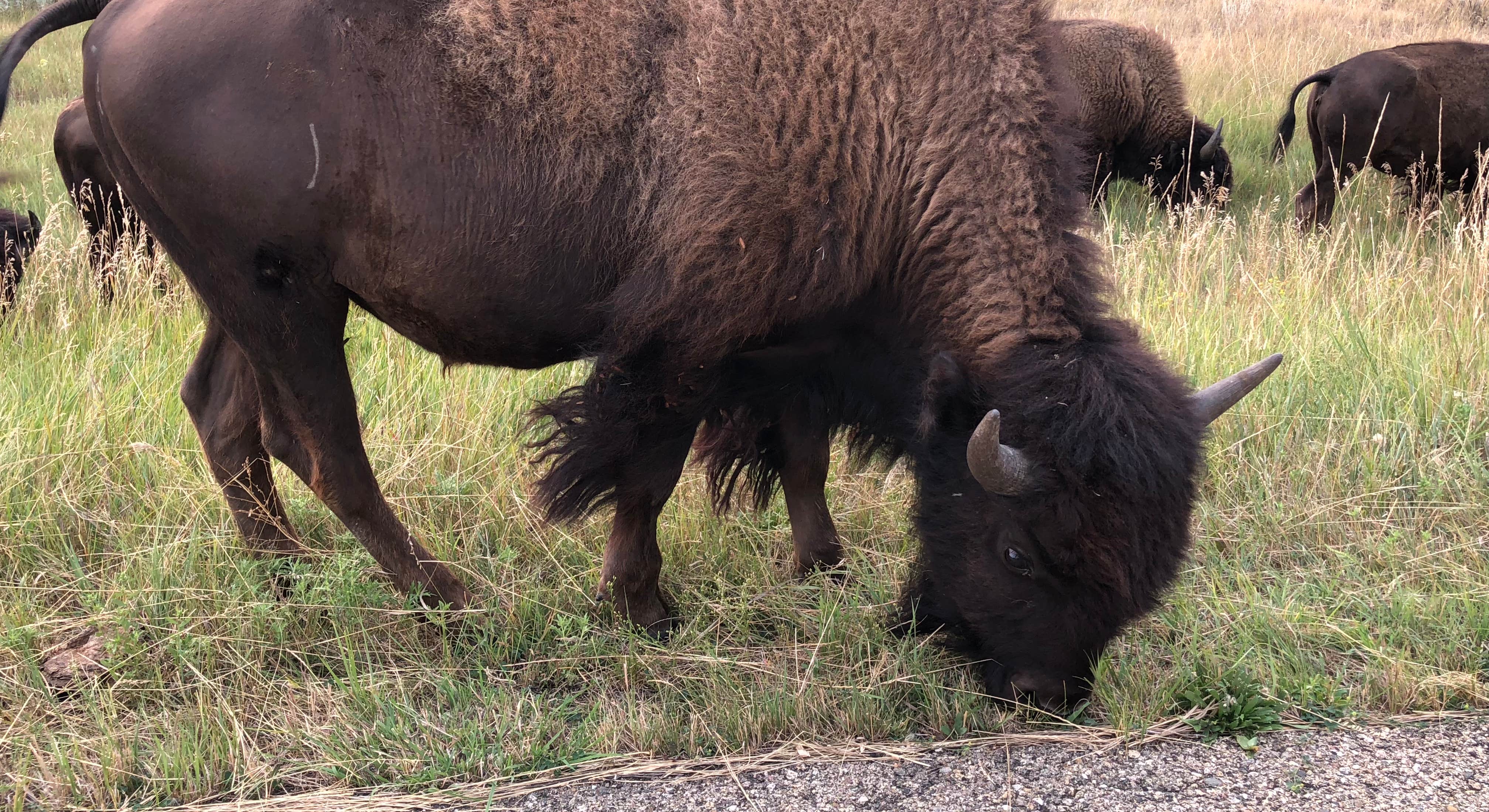 Photo by Deborah C
Wildlife Safety and Park Regulations 
Bison, Horses, and Wildlife Safety in Theodore Roosevelt
Theodore Roosevelt National Park is home to free-roaming herds of American bison and bands of feral horses, as well as elk, deer, pronghorn, coyotes, and prairie dogs. Campers must take wildlife safety seriously to avoid dangerous encounters.
Maintain Safe Distances:
Park rules require staying at least 25 yards (75 feet) away from large animals like bison, horses, elk, and bighorn sheep at all times. Bison may appear calm as they amble through camp, but they are unpredictable and can charge at 30 mph. Give them plenty of room -- if one is between you and the restroom, take a detour or wait it out. Do not approach wild horses; they will kick or bite if threatened. Use binoculars or a zoom lens for photos instead of moving closer. Feral horses are most active at dawn and dusk and may walk directly through campsite areas.
Prairie Dog Towns and Ground Hazards:
Prairie dog colonies are found throughout the park and surrounding grasslands. Their burrow entrances are easy to miss in grass and can cause a twisted ankle or worse. Watch your footing carefully when walking off-trail near these towns, especially in low light. Keep dogs leashed at all times -- prairie dogs and other small wildlife can carry diseases, and off-leash pets can trigger dangerous situations with larger animals nearby.
Keep Campsites Clean:
Store all food, trash, and scented items (coolers, toiletries) in a vehicle or hard-sided container when not in use. Smaller critters like raccoons, skunks, and ground squirrels will rummage through anything left out, and they can carry diseases. At night, secure coolers and trash so you don't attract nocturnal visitors. This is especially important when bison are roaming through camp -- do not leave food visible near open tent doors.
Rattlesnake Awareness:
The park is home to prairie rattlesnakes, mainly in rocky areas and prairie dog towns. Encounters are infrequent, but always watch where you step or place your hands when gathering firewood or hiking off-trail. Snakes typically warn with a rattle if you get too close. If you hear one, freeze until you locate it, then slowly back away. Wear closed-toe shoes, especially at night around camp, and use a flashlight around your site after dark.
Park Regulations and Etiquette
| Regulation Category | Specific Rules | Penalties |
|---|---|---|
| Campfires | Allowed only in metal fire rings or grills Never leave fires unattended; fully extinguish with water Firewood must be local or certified (no out-of-state wood) | Fines up to $250 Fire ban violations can lead to campsite eviction |
| Quiet Hours | 10:00 PM - 6:00 AM in all park campgrounds Generator use permitted only 8:00 AM - 8:00 PM | Rangers may issue warnings Persistent noise can result in removal from campground |
| Pets | Allowed in campgrounds and picnic areas on leash Not permitted on trails or in backcountry (except service animals) Always clean up pet waste | $50+ fines for unleashed pets or waste Pets on trails may incur additional penalties |
| Trash & Food Storage | Use dumpsters or trash cans daily Store all food and coolers in a vehicle or hard-sided container when not eating No food or cooking gear in tents | Fines for littering Wildlife attractant citations possible |
| Vehicle Limits | Max 2 vehicles per campsite (including trailers) Park only in designated areas, not on vegetation | Warning or $75 fine for excess vehicles Resource damage violations also possible |
Additional Park Regulations
Camping Limits: There is a 14-day camping limit in each campground during any 30-day period.
Drones and Firearms: The use of drones (unmanned aircraft) is banned in all national parks. Firearms are allowed in the park if you are legally permitted, but discharge of firearms is prohibited.
Backcountry Camping: Dispersed camping inside Theodore Roosevelt National Park is allowed with a free backcountry permit obtained from a visitor center. You must hike or ride horseback at least 0.5 mile from roads and developed areas. Campfires are not permitted in backcountry; use a camp stove. Groups are limited to 10 people. Dispersed camping on the national grasslands outside the park does not require a permit but requires adherence to Leave No Trace principles.
Resource Protection: It is illegal to collect or disturb natural or cultural resources in the park. This includes fossils, petrified wood, artifacts, antlers, wildflowers, and rocks.
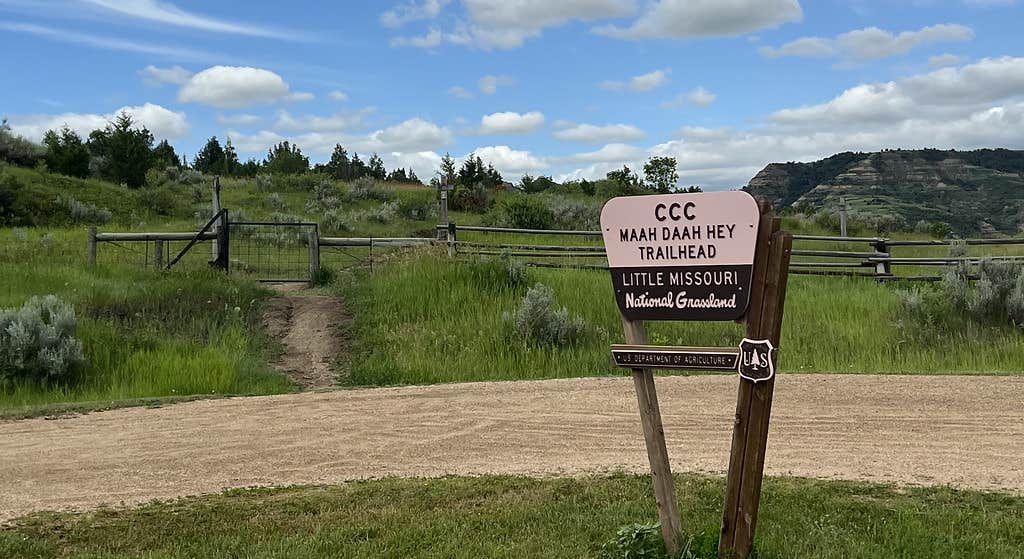 Photo by Duncan G
Beyond the Campground: Activities and Exploration 
Day Trips from Theodore Roosevelt Campgrounds
From South Unit Campgrounds (Medora Area):
Staying at Cottonwood Campground positions you just minutes from Medora's attractions and the fully reopened 36-mile loop drive in the South Unit. Plan 2-3 hours with stops along this route. The Wind Canyon Trail (0.4-mile round-trip) leads to a great river overlook -- especially good at sunset. Buck Hill, the highest point in the South Unit, offers 360-degree Badlands views via a short steep climb. The Petrified Forest Trail (10.4 miles round-trip) is a longer backcountry option through ancient fossilized trees, accessed via a gravel road about 30 minutes from Cottonwood.
Back in Medora (5 miles from camp), the South Unit Visitor Center displays Theodore Roosevelt's original Maltese Cross Cabin. In the evening, many campers enjoy the Medora Musical, a Western-style outdoor show in a large amphitheater -- the campground is close enough to bike the paved path into town for the 7:30 PM show. The Painted Canyon Visitor Center (15 minutes east on I-94 at Exit 32) offers a panoramic overlook and a short nature trail into the Badlands.
From North Unit Campground (Juniper Area):
Juniper Campground sits at the start of the North Unit Road, which winds 14 miles to Oxbow Overlook. Don't miss River Bend Overlook, with a CCC-era shelter and a classic view of the Little Missouri's oxbow bend far below. The Caprock Coulee Trail (4.3-mile loop starting 2 miles from camp) showcases the North Unit's layered rock formations, fossil logs, and ridgeline views -- bighorn sheep sightings are common here. The Little Mo Nature Trail starts right inside the campground and loops 0.7 miles through river bottomlands, good for an evening walk with kids. The Buckhorn Trail (11.4-mile loop) offers solitude through prairies and Badlands terrain for experienced hikers wanting a full-day outing.
Top Hiking Trails Near Campgrounds
| Trail Name | Difficulty & Distance | Key Features |
|---|---|---|
| Wind Canyon Trail | Easy 0.4 miles round-trip | Sunset views over Little Missouri River; great overlook close to Cottonwood |
| Caprock Coulee Loop | Moderate 4.3 miles round-trip (loop) | Classic North Unit hike: hoodoos, petrified wood, canyon vistas; bighorn sheep sightings |
| Petrified Forest Loop | Moderate 10.4 miles round-trip (loop) | Remote South Unit hike; extensive petrified wood fields; off the beaten path |
| Painted Canyon Nature Trail | Easy 1.0 mile round-trip (loop) | Starts at Painted Canyon Overlook; colorful badlands formations; good for families |
| Maah Daah Hey Trail (segment) | Strenuous (length varies) 144 miles total | Long-distance trail connecting North and South Units; mountain biking and horseback friendly |
| Little Mo Nature Trail | Easy 0.7 miles round-trip (loop) | In Juniper Campground; riverside woodland, interpretive signs, good for kids |
| Buckhorn Trail | Moderate 11.4 miles round-trip (loop) | North Unit loop through prairies and Badlands; solitude and varied wildlife habitat |
Trail Access and Starting Points
Most trailheads are near campgrounds or along the loop roads. Wind Canyon Trail is a 5-minute drive from Cottonwood and is best hiked in the evening for the sunset over the river. The Petrified Forest trailhead is about 30 minutes from Cottonwood via a gravel road -- a good option for experienced hikers avoiding crowds. Caprock Coulee starts 2 miles from Juniper and is a must-do in the North Unit. All exposed trails here demand water and sun protection; bentonite clay segments turn dangerously slippery when wet.
Water Activities in Theodore Roosevelt
Unlike some national parks, Theodore Roosevelt doesn't have large lakes or developed swimming areas, but the winding Little Missouri River offers limited opportunities:
Canoeing/Kayaking the Little Missouri River:
Paddling down the Little Missouri can be a memorable way to see the Badlands from a different angle. This free-flowing river (no dams) depends entirely on rainfall and snowmelt for conditions. Spring (late April through June) is the most likely window for sufficient water on a multi-day trip. A common route runs from near Medora down to the Long X Bridge near the North Unit -- roughly 110 river miles taking 3-5 days. This is for experienced paddlers only; check current flows before planning.
Fishing:
The Little Missouri River holds catfish, carp, and northern pike. Fishing follows North Dakota state regulations -- you'll need a ND fishing license (available online or in Medora and Watford City). Catfish are commonly caught near the campgrounds in slower pools during evening hours.
Swimming and Wading:
There are no designated swimming beaches. Some campers wade in the Little Missouri to cool off, but the silty bottom can behave like quicksand in spots -- always test depth with a stick and avoid deeper channels. After heavy rain, the river can flash flood quickly. The public pool in Medora is open in summer for a small fee and is a better option for a real swim.
The Dyrt Community Insights 
Theodore Roosevelt NP Ranger Recommendations
The Dyrt Rangers offer these insider tips from experienced campers who extensively explore parks nationwide:
Cottonwood Campground -- Best Sites:
Rangers and Dyrt community reviewers consistently call out sites 3, 9, 46, 67, and 72 at Cottonwood Campground for their combination of privacy and views. Walk-in sites 55 through 66 along the riverfront receive strong praise for their distance from road traffic and close proximity to the Little Missouri -- reviewers describe waking up to river sounds and bison on the opposite bank. The south loop offers the best overall separation from the campground entrance road.
Juniper Campground -- Best Sites for Privacy:
Multiple Rangers recommend targeting outer loop sites at Juniper Campground, particularly sites 32, 42, 43, and 49 for larger rigs and seclusion among the juniper trees. Rangers also note that early mornings at Juniper regularly deliver wildlife sightings -- bison crossing the Little Missouri in misty dawn light is a commonly shared experience. The overall quiet of the North Unit means even a popular weekend feels peaceful here.
Hidden Gem Campground:
"CCC Campground doesn't get enough love," according to one Dyrt Ranger. Tucked in the grasslands north of the North Unit, CCC Campground sees a fraction of the traffic of the national park sites. It lacks some amenities (no electric, bring water) but delivers 360-degree Badlands panoramas. One Ranger noted the campground was completely empty over July 4th weekend.
Free Camping Favorite:
Rangers consistently point to the Scoria Pit Road boondocking area near Little Missouri National Grassland about 5 miles from Medora. "You're literally minutes from the South Unit entrance while camping for $0 -- hard to beat," one Ranger noted. Cell service here tends to be better than inside the park, and the wide open sky makes for good stargazing.
Top-Rated Sites from The Dyrt Community
| Category | Top Pick & Rating | Key Highlights |
|---|---|---|
| Highest-Rated In-Park | Juniper Campground 4.9/5 stars | Uncrowded North Unit setting; frequent wildlife sightings; dark sky stargazing; dump station on-site |
| Most Recommended Private | Medora Campground 4.5/5 stars | Prime location by park entrance; full hookups and showers; walking distance to Medora Musical and town amenities |
| Best Badlands Scenery | Rough Rider State Park 4.6/5 stars | Expanded to About 70 modern sites; Little Missouri River access; Maah Daah Hey trailhead; horse-friendly; showers and dump station |
| Best Amenities Near Park | Buffalo Gap Campground 4.5/5 stars | Hot showers and flush toilets; paved RV pads; dump station; easy interstate access; friendly hosts |
Community Insights and Recommendations
Bison in Camp: Campers consistently describe bison wandering through Cottonwood Campground as one of the trip's highlights. The community advises giving these animals the right of way without exception -- if bison are moving between sites, wait or give a wide detour rather than approaching. Wild horses also roam through both Cottonwood and Juniper; the same 25-yard rule applies.
Cell Service Reality: Reviews across both campgrounds reinforce the research: Cottonwood has inconsistent service depending on carrier, Juniper has limited coverage at best. Multiple campers mention bringing Starlink for remote work or staying connected. Download offline maps before you leave -- do not rely on navigation apps once inside the park.
Roads After Rain: Multiple Dyrt community members flag that both park roads and access roads to dispersed camping areas can become very muddy after rain. Bentonite clay soil is the culprit -- it turns slick quickly. Plan accordingly if storms are in the forecast, and have a backup plan if road conditions deteriorate.
Private Campground Convenience: Reviewers of Medora Campground and Red Trail Campground consistently highlight the convenience after days of primitive camping -- showers, laundry, and Wi-Fi feel significant after time in the Badlands. Medora Campground's proximity to the Medora Musical is frequently mentioned as a bonus.
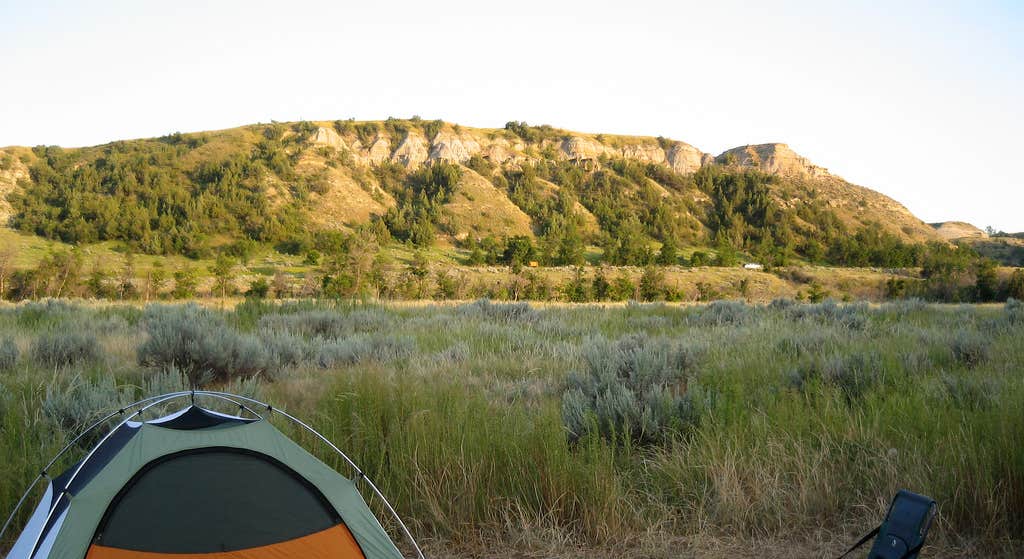 Photo by Jasmine L
Responsible Camping Practices 
Leave No Trace in Theodore Roosevelt NP
Camping in Theodore Roosevelt National Park and the surrounding public lands means taking care to keep the Badlands wild.
Pack It In, Pack It Out:
Bring out everything you brought in. Trash and food scraps don't belong in fire rings or scattered in the prairie. Even biodegradable waste like orange peels can take years to decompose in the dry Badlands environment. Use the dumpsters and trash cans at Cottonwood and Juniper daily. If you're dispersed camping on the grasslands, secure your trash in your vehicle and take it to the nearest park dumpster or town facility when you leave.
Use Established Campsites:
Whether in the park campgrounds or on national grassland camping areas, stick to designated or previously used sites. At Cottonwood and Juniper, use the numbered site pads. If boondocking outside the park, look for existing fire rings and flat areas rather than creating a new clearing. Grassland soil is fragile; new campsites scar the land and take a long time to recover.
Minimize Campfire Impact and Fire Safety:
Use provided fire rings or grills at established campgrounds. For dispersed campers, use existing fire rings on public land where available -- never build a new pit. Keep fires small. Wind can kick up without warning, sending embers far; a common cause of range fires in this region. Always check current fire restrictions; late summer or drought conditions often bring bans on open fires in the park and surrounding grasslands.
Respect Wildlife:
Never feed animals and maintain safe distances -- 25 yards from bison, horses, elk, and other animals. If wildlife wanders through your campsite, give it plenty of space. Observe quiet hours and enjoy the natural sounds. When encountering animals on trails or in camp, give them the right of way without attempting to haze or redirect them.
Protect Water Resources:
The Little Missouri River and its tributaries are the lifeblood of this ecosystem. Bathe or wash dishes at least 200 feet away from any water source. Use biodegradable soap sparingly and dispose of greywater on dry ground away from the stream. At campgrounds, use the provided toilets. In backcountry or dispersed areas, bury solid waste in a cat hole 6-8 inches deep, at least 200 feet from water, and pack out toilet paper.
Navigation and Communication:
Cell service is unreliable throughout the park. Download offline maps before arriving and carry a printed paper map as a backup. If you're hiking into the backcountry or paddling the Little Missouri, let someone outside the park know your itinerary and expected return time.
Frequently Asked Questions 
How do I make camping reservations at Theodore Roosevelt National Park? Starting May 1, 2026, all campsites at Cottonwood, Juniper, and Roundup Group Horse Camp require reservations through Recreation.gov. Individual site reservations open on a rolling six-month window; group sites and Roundup Horse Camp open March 1 each year. Set a calendar reminder for six months before your arrival date, log in at 8:00 AM Mountain Time, and have your payment card ready -- popular sites book within minutes. Same-day reservations are also available through Recreation.gov when sites remain open. Cash is not accepted; payment must be by credit or debit card. For help with booking, visit the Theodore Roosevelt National Park official website.
Which campground is best: Cottonwood or Juniper? It depends on your priorities. Cottonwood Campground offers a riverside setting near Medora with easy access to South Unit trails and the full 36-mile loop drive. It's closer to town services and has more site variety, but it also gets more traffic. Juniper Campground in the North Unit is quieter, more remote, has a dump station, and tends to feel less crowded even in peak season. If you want convenience and South Unit access, go Cottonwood. If you want solitude and bigger RV-friendly sites, go Juniper.
What are the best campsites at Theodore Roosevelt National Park? At Cottonwood, sites 3, 9, 46, 67, and 72 consistently earn strong reviews for privacy and views. Walk-in riverfront sites 55 through 66 are the most popular for their separation from road noise and proximity to the Little Missouri. At Juniper, sites 32, 42, 43, and 49 are favored for larger rigs and seclusion. All sites now require reservations, so check availability on Recreation.gov and book as early as possible.
Are there RV hookups or dump stations in the park? There are no electrical, water, or sewer hookups at any campsite inside Theodore Roosevelt National Park. Juniper Campground has the only dump station inside park boundaries. Cottonwood and Roundup have no dump station. RV campers near Theodore Roosevelt can use the dump stations at Medora Campground or Red Trail Campground in town for a fee. Generators are permitted during typical hours (8:00 AM to 8:00 PM).
Where can I find free or dispersed camping near Theodore Roosevelt National Park? Free dispersed camping is available on the Little Missouri National Grassland surrounding the park. No permit is required, but a 14-day stay limit applies. The Scoria Pit Road boondocking area about 5 miles from Medora is the most popular free spot near the South Unit. CCC Campground in the national grasslands north of the North Unit charges $10 per night (half-price with federal passes) and is another low-cost option with Maah Daah Hey Trail access. Always check for current fire restrictions before any dispersed stay.
When are the campgrounds open and how late can I camp? The Cottonwood north loop stays open year-round. The Cottonwood south loop is open mid-May through September. Juniper Campground is open May through September. Roundup Group Horse Camp is open May 1 through October 31. Off-season camping at Cottonwood (north loop only) is available at $10 per night with vault toilets only -- no running water in winter. All open dates are approximate and subject to weather conditions.
What are the current camping fees and do passes provide discounts? Peak season (May 15 through September 30) costs $20 per night for standard sites at Cottonwood and Juniper. Off-season (October 1 through May 14) costs $10 per night at Cottonwood north loop. Group sites cost $60 per night at Cottonwood and Juniper; Roundup Horse Camp costs $70 per night. Senior Pass and Access Pass holders pay 50% of standard rates. Park entrance costs $30 per vehicle for a 7-day pass, or an America the Beautiful Pass covers entry for $80 annually.
Is the South Unit loop road open? Yes, the South Unit loop road fully reopened in November 2025 following repairs from a multi-year landslide closure. The complete 36-mile loop is now accessible. Check the NPS road conditions page before your visit for any current weather-related closures.
Are there showers or potable water at the campgrounds? There are no showers at any in-park campground. Potable water is available at Cottonwood and Juniper from approximately mid-May through September (restroom-area spigots only). At Juniper, note that spigots located away from the restroom facilities have high fluoride content and are non-potable -- use only the taps near the restrooms. In winter, bring all water you need. For showers, the nearest options are Medora Campground (paid showers for non-guests), Rough Rider State Park (coin-operated showers), and facilities in Watford City for North Unit campers.
What cell service should I expect in the park campgrounds? Cell service is limited throughout the park. Cottonwood Campground has inconsistent coverage depending on your carrier; Juniper has limited service with occasional one-bar reception on Verizon or AT&T. Many campers bring Starlink or satellite devices for reliable connectivity. Download offline maps before arriving -- do not rely on GPS navigation apps once inside the park. Dispersed camping areas near Buffalo Gap generally offer better reception than the in-park campgrounds.
When do I need to make reservations to camp in Theodore Roosevelt National Park? Since May 1, 2026, reservations are required for all campsites. Individual site reservations open on a rolling six-month window via Recreation.gov. Group sites and Roundup Horse Camp open March 1 each year. Book as early as your window allows for summer dates. Same-day reservations are possible when sites remain available, but relying on this during peak season is risky. Outside the park, private campgrounds like Medora Campground accept reservations by phone or website and often have availability when park sites are full.
Can I camp anywhere in the park's backcountry if I have a permit? Yes, with some guidelines. A free backcountry permit from a visitor center allows backpacking and camping in undeveloped areas of the park, but you must be at least 0.5 mile from any road or trail and out of sight of roads. There are no designated backcountry sites. Campfires are not allowed in the backcountry -- use a camp stove. Groups are limited to 10 people. Choose a durable surface like a grassy flat or sandy riverbank to minimize impact.
Are campfires allowed, and can I collect firewood? Campfires are permitted only in designated metal fire rings or grills at campgrounds. Backcountry campfires are not allowed. Collecting or cutting wood from inside the national park is prohibited. Bring certified firewood from outside or purchase it locally in Medora. Fire bans are common in late summer and drought conditions -- check current restrictions at the visitor center or NPS website when you arrive.
Planning Resources
Essential Theodore Roosevelt Links
- The Dyrt's Top Reviewed Campgrounds Near Theodore Roosevelt NP (thedyrt.com) - Camper reviews and photos of sites in and around the park
- Theodore Roosevelt National Park - Official NPS Website - Park maps, alerts, hours, and official information on camping, permits, and regulations
- Recreation.gov - Theodore Roosevelt Camping - Direct booking for all campgrounds (individual sites, group sites, Roundup Horse Camp)
- North Dakota State Parks Reservations - Reservations for Rough Rider State Park and other ND state park campgrounds
- Medora Campground Info - Details and booking for Medora Campground (private, full hookups)
- TRNP Road Status and Conditions - Current road conditions and weather-related closures
- Weather Forecast - Medora ND - NOAA point forecast for the South Unit area
Reservation Timeline for Theodore Roosevelt NP
| Time Period | Reservation Task | Platform/Details |
|---|---|---|
| March 1 (8:00 AM MST) | Reserve group sites and Roundup Horse Camp | Recreation.gov -- Cottonwood Group, Juniper Group, and Roundup Horse Camp all open for the season on this date. Book immediately if you have a horse trip or group outing planned. |
| 6 Months Before Arrival | Book individual campsites (peak summer) | Recreation.gov -- rolling six-month window for all Cottonwood and Juniper standard sites. Set a calendar reminder and log in at 8:00 AM Mountain Time on your six-month window date. |
| 1-2 Months Before | Reserve nearby campgrounds if needed | Rough Rider State Park bookable 95 days out via ND state parks system; private sites (Medora, Red Trail) by phone or website. Secure these especially for holiday weekends. |
| 1-2 Weeks Before | Check for cancellations | Recreation.gov -- scan for newly available sites (especially 5-7 days out when final payments are due). Confirm any private campground reservations and check NPS road conditions. |
| Day of Arrival | Confirm reservation and check conditions | All sites now require reservations -- no walk-in availability at park campgrounds. Have backup options like Rough Rider State Park or Medora Campground confirmed if your plans change. |
Theodore Roosevelt Camping Checklist
Reservations and Permits:
- Campground reservation confirmation from Recreation.gov
- National Park entrance pass or America the Beautiful Pass
- Photo ID that matches reservation
- Credit or debit card (cash not accepted)
- North Dakota fishing license (if fishing)
- Backcountry permit (if applicable)
Camping Gear:
- Sturdy tent with rainfly, footprint, and extra stakes and guylines for wind
- Sleeping bag rated for appropriate temperature
- Sleeping pad with adequate R-value
- Extra blankets for cold nights
- Shade tarp or canopy for exposed sites
Kitchen and Water:
- Camp stove and extra fuel
- Lighter or matches in waterproof container
- Large water jugs (5-7 gallons) -- potable spigots at restroom areas only (Juniper)
- Water filter or treatment tablets
- Cooler with tight latch
- Trash bags for pack-out
Clothing:
- Moisture-wicking base layers
- Insulating mid-layers (fleece, down)
- Windproof and waterproof jacket
- Wide-brimmed hat, sunglasses, and sunscreen
- Warm hat and gloves (even for summer nights)
- Sturdy hiking boots
- Camp shoes or sandals
Safety and First Aid:
- First aid kit with tick removal tweezers
- Prescription medications
- High-SPF sunscreen and lip balm
- Insect repellent with DEET
- Basic tools and repair kit
- Whistle for emergencies
Navigation and Communication:
- Printed reservations and paper maps
- Offline maps downloaded to phone before arrival
- Portable phone charger or power bank
- Emergency contact information
- Binoculars for wildlife viewing
By planning thoroughly and following park guidelines, your Theodore Roosevelt camping experience can be both safe and memorable. The park's varied campgrounds offer experiences ranging from the riverside cottonwood groves of the South Unit to the quiet solitude of the North Unit's juniper-studded hills. Whether you're watching a bison herd move through camp at dusk, stargazing under brilliantly dark skies, or exploring the layered Badlands on horseback, camping in Theodore Roosevelt National Park connects you to the same wild landscapes that inspired one of America's greatest conservationists. Learn more about visiting this and other lesser-known national parks and find wildlife viewing opportunities in national parks across the country.