
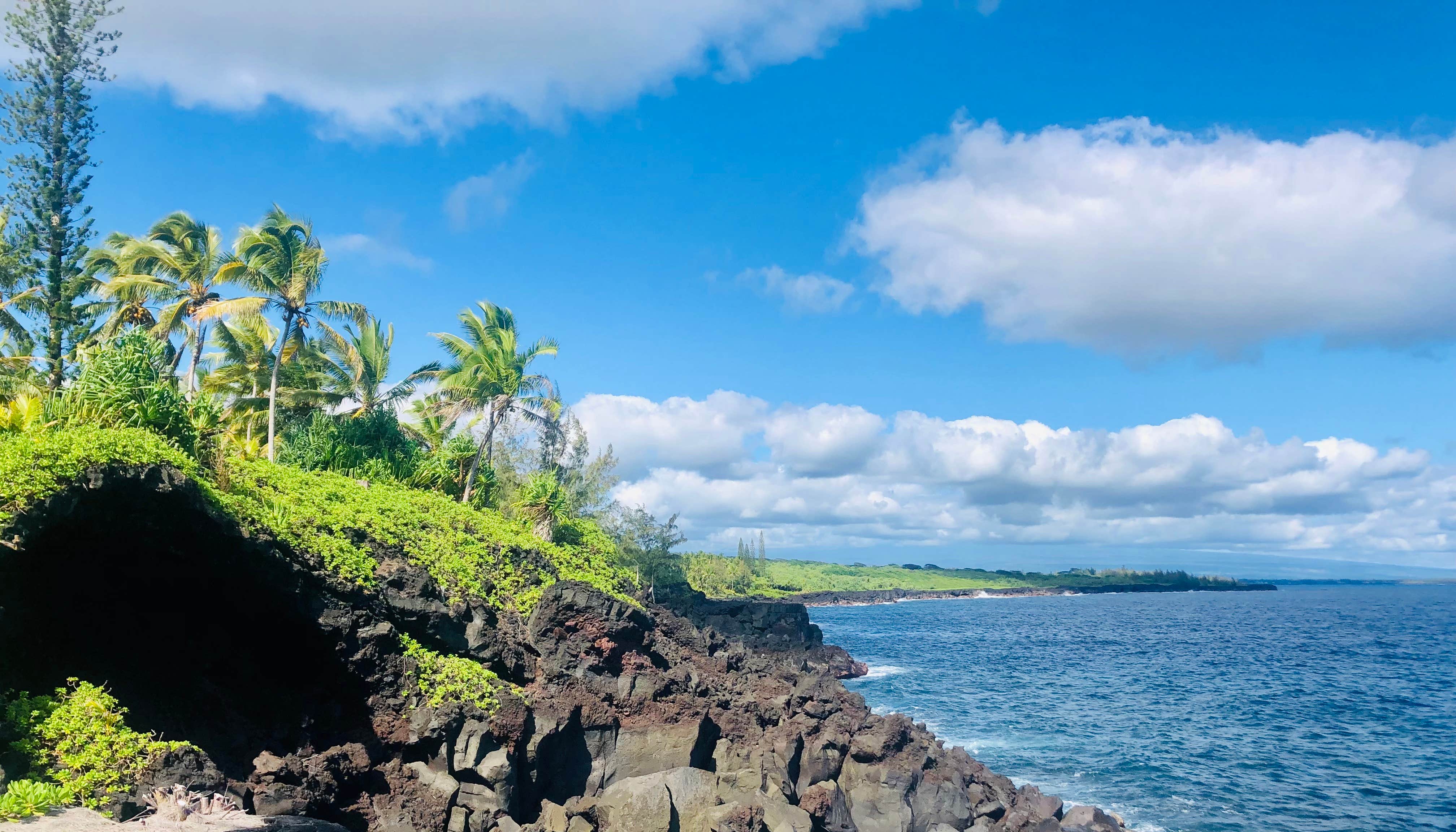
 Photo by Garrett D.
Hawaii Volcanoes National Park Camping Guide
Hawaii Volcanoes National Park offers a truly unique camping opportunity amid active volcanoes, lava fields, and lush Hawaiian forests. The park spans from sea level up to Mauna Loa's 13,677-foot summit, creating varied climates and landscapes within its boundaries. Campers can choose between two drive-in campgrounds -- Namakanipaio and Kulanaokuaiki -- or venture into the backcountry for remote coastal campsites and wilderness cabins. Weather ranges from cool, damp evenings near Kilauea's summit to hot, dry conditions by the coast. This comprehensive guide covers everything you need to plan and enjoy camping in Hawaii Volcanoes National Park, including campground details, permit and reservation tips, wildlife safety, top hikes, local insights from The Dyrt community, and responsible camping practices to help protect this fragile volcanic environment. If you're looking for glamping near Hawaii Volcanoes, there are options outside the park as well.
Hawaii Volcanoes National Park Camping at a Glance
All camping within Hawaii Volcanoes National Park is regulated and permitted. Namakanipaio Campground, operated by a concessionaire, is the park's main front-country site and often fills quickly on weekends. Kulanaokuaiki Campground offers a quieter, first-come, first-served option with just 9 sites and no water available. Backcountry camping is allowed only at designated sites or cabins with a park-issued permit (free with a $10 permit fee). As of 2025, lava viewing is only possible when Kilauea is actively erupting within its crater (periodically visible at night from safe viewpoints); there are no active lava flows reaching the ocean since 2018. Nights at the summit get chilly (50s F) while days by the coast can exceed 85 F, so be prepared for temperature swings. Pack a rain jacket -- afternoon showers and persistent mist are common at higher elevations year-round. Volcanic gasses (vog) can occasionally affect air quality; check park alerts if you have respiratory sensitivities. Beyond the park boundaries, you can also find Hawaii Volcanoes dispersed camping spots for more primitive options.
Hawaii Volcanoes National Park Campground Quick Facts
| Quick Facts | Details |
|---|---|
| Number of Campgrounds | 2 front-country campgrounds; 8 designated backcountry campsites (including 2 historic cabins) |
| Total Campsites | About 20 developed drive-in sites (16 at Namakanipaio; 9 at Kulanaokuaiki) Backcountry capacity approximately 16 people per site (permit required) |
| Campsite Costs | $15 per night at Namakanipaio (tent site); Kulanaokuaiki $10 per night (self-pay) Backcountry camping: $10 permit fee (covers up to 10 people/7 nights) |
| Reservation Platforms | Namakanipaio: Reserve via Volcano House (concessionaire) or walk-up if available Kulanaokuaiki: First-come, first-served only (no reservations) |
| Camping Seasons | Year-round (no seasonal closures). Winter months cooler/wetter; summer drier with vog possible. |
| Temperature Ranges | Summit (4,000 ft): Days 60-75 F, Nights 40-55 F Coastal (sea level): Days 75-85 F, Nights 65-75 F (drier, sunny) |
| 2025 Updates | Pepeiao backcountry cabin closed for structural safety (tent camping still allowed at site) Backcountry permits now required (implemented park-wide in 2020) |
Hawaii Volcanoes Campgrounds: Complete Guide
Drive-In Campgrounds
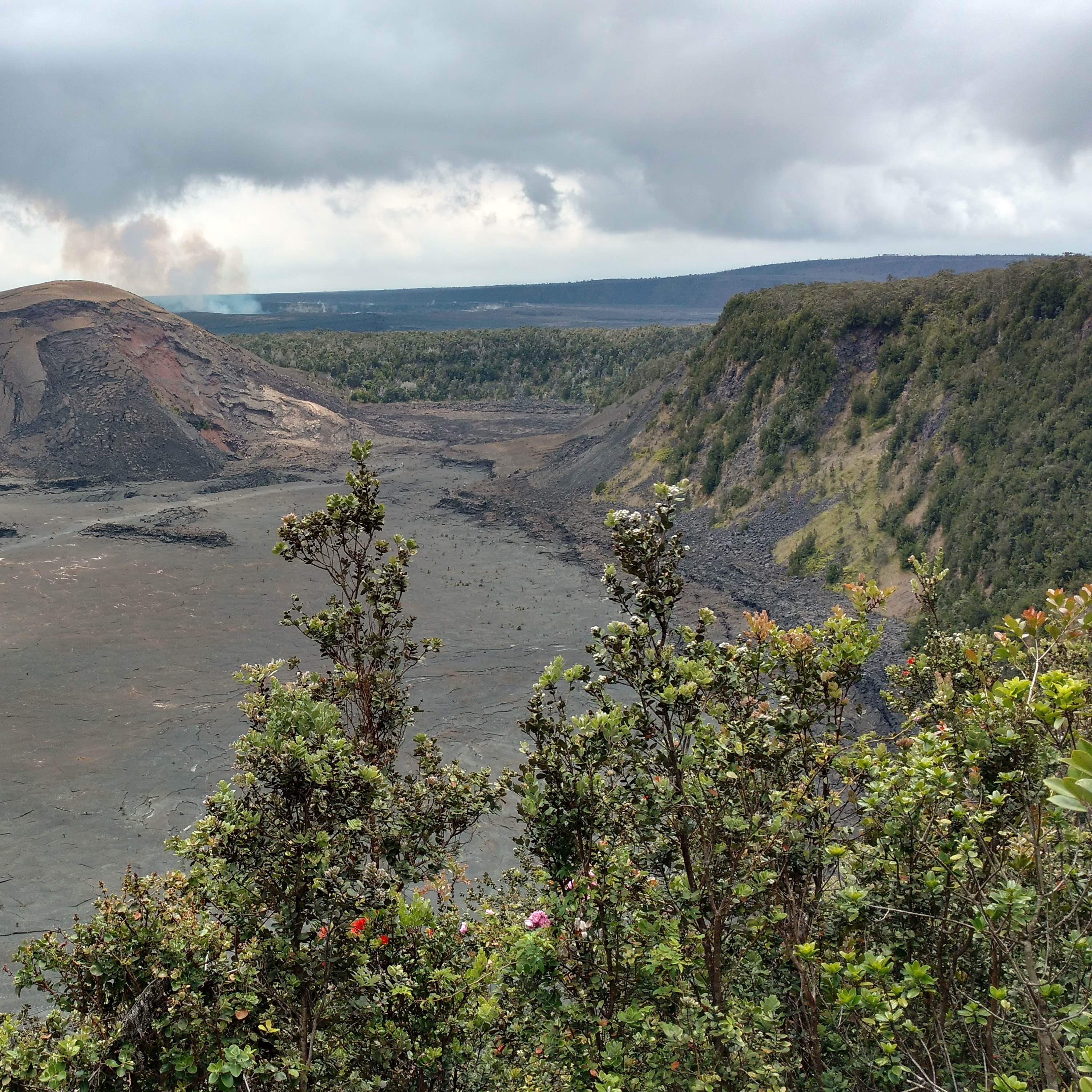
Nāmakanipaio Campground — Hawai'i Volcanoes National Park
Namakanipaio Campground sits at 4,000 feet near Kilauea's summit, about 3 miles from park headquarters. This large, open grassy campground is dotted with towering eucalyptus and ohia trees. It has 16 designated sites plus 10 rustic camper cabins run by the Volcano House lodge. Amenities include picnic tables, fire pits, flush toilets, and drinking water spigots. Hot showers are available only for cabin guests (tent campers do not have shower access). Nights are cool and often damp with passing rain or mist. Campfires are allowed in grills/fire rings only. Namakanipaio is popular for its central location (just a short drive to Kilauea Overlook and Thurston Lava Tube) and tends to fill on weekends and holidays; a reservation or early arrival is recommended.
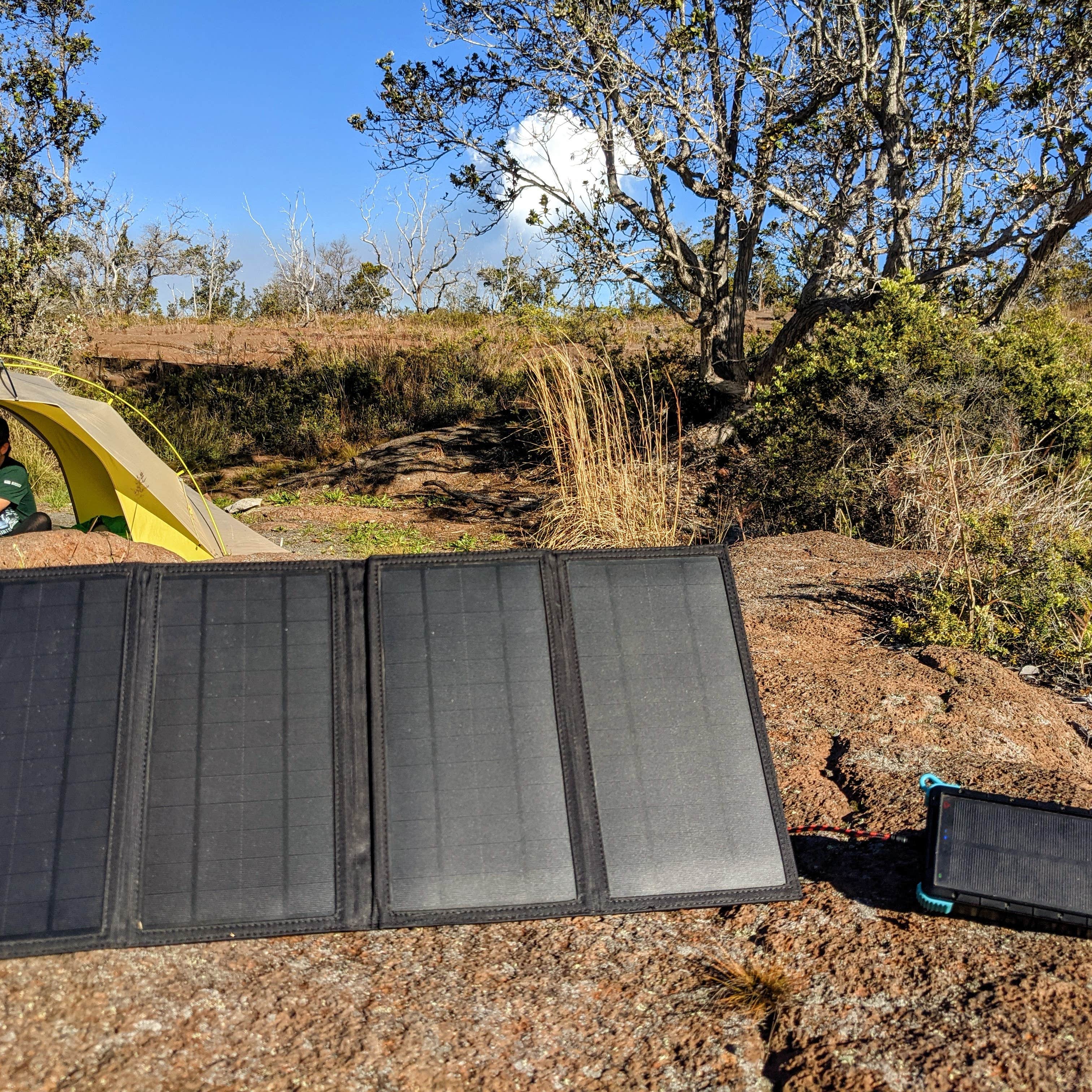
Kulanaokuaiki Campground — Hawai'i Volcanoes National Park
Kulanaokuaiki Campground is a small, primitive campground about 5 miles down Hilina Pali Road at 2,700 feet elevation on Kilauea's southwest flank. It offers 9 first-come, first-served sites on a lava rock plain, with picnic tables and tent pads at each site. A vault toilet is available, but no water -- campers must bring all their water. There are no fire pits and fires are prohibited (use camp stoves for cooking). The area is typically hot and dry, with sparse shade amid young ohia shrubs and lava formations. Kulanaokuaiki's remote setting provides exceptional quiet and stargazing; expect dark, clear night skies with glowing lava visible on the horizon when Kilauea is active. The rough access road and lack of amenities keep crowds low, making this a peaceful alternative for self-sufficient campers.
Backcountry Shelters and Campsites
Kaaha Shelter — Hawai'i Volcanoes National Park
Kaaha Shelter is a backcountry coastal campsite 3.6 miles down a steep trail from Hilina Pali Overlook. Set near a rocky cove on the park's southern shore, Kaaha features a three-sided wooden shelter offering shade and rain protection. A catchment tank collects rainwater off the shelter roof (water must be filtered or treated). This site is known for excellent snorkeling opportunities in the protected cove and sightings of honu (sea turtles). The hike to Kaaha is strenuous -- a 2,200-foot descent -- and the return climb is challenging, so plan accordingly. Up to 16 campers per night can stay here with a permit. The area is hot, dry, and extremely remote, offering solitude and star-filled night skies above crashing Pacific waves.
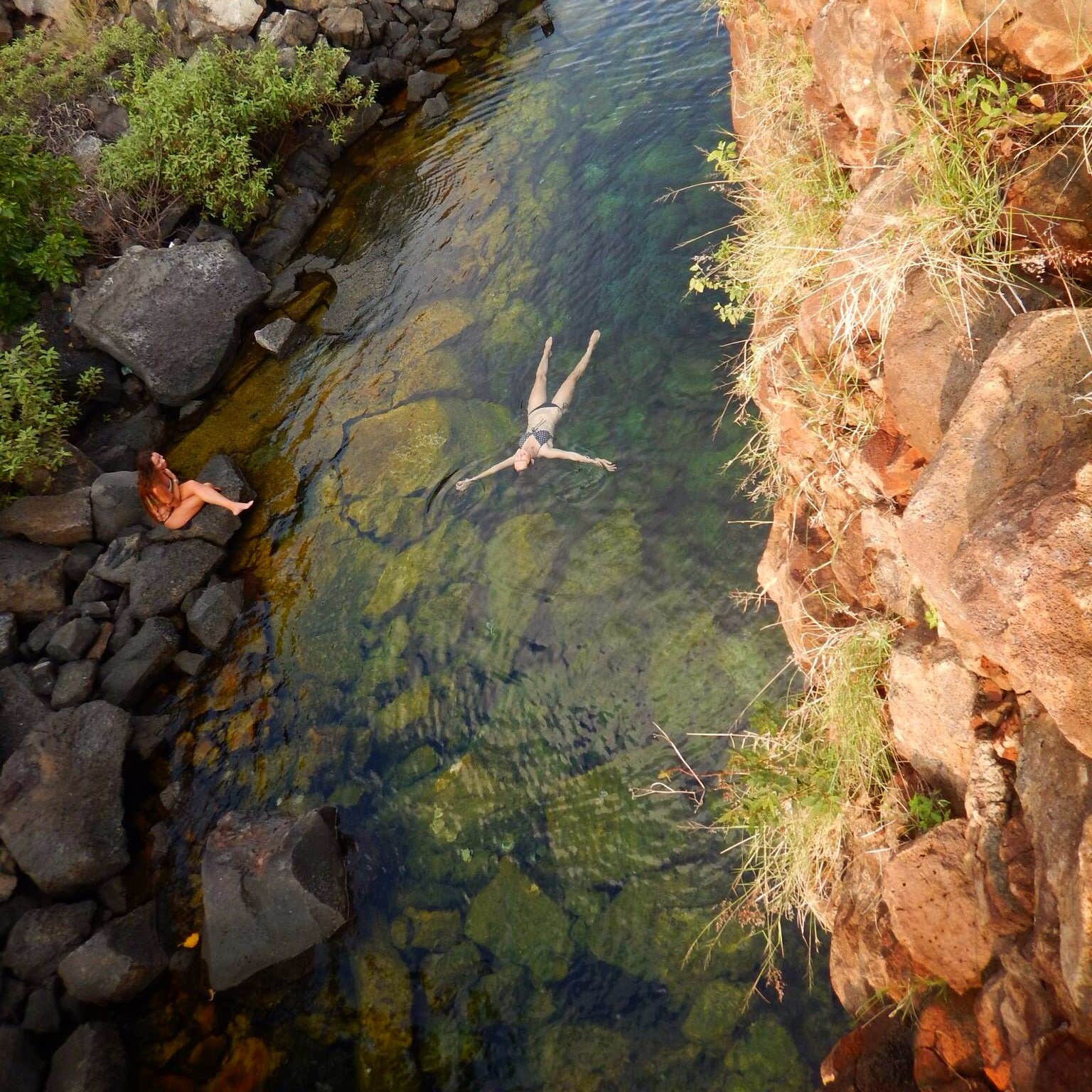
Halape Shelter — Hawai'i Volcanoes National Park
Halape Shelter is a legendary backcountry beach camp reached via an 8 to 10-mile hike (depending on route) across lava flows. It offers a sandy beach and a three-walled shelter near a grove of coconut palms -- an incredible oceanfront camping spot. Like other coastal sites, Halape has a rainwater catchment tank (check water levels with rangers; always treat the water). The sheltered bay allows for swimming and fishing, and tidepools teem with marine life. Backpackers often spend multiple nights here to soak in the solitude. Shade is limited aside from the shelter and a few trees, and the area can be extremely hot (90 F+) by midday. A major 7.7 earthquake in 1975 caused Halape's coastline to drop and occasional small tsunami waves, so rangers will brief you on safety. Halape accommodates up to 16 people; a permit is required.
Pepeiao Cabin — Hawai'i Volcanoes National Park
Pepeiao Cabin is a historic backcountry cabin perched in the remote Kau Desert wilderness, 4.8 miles from Hilina Pali Road via the Kau Desert Trail. Note: The cabin structure is currently closed due to safety concerns (roof and beams unstable), but tent camping adjacent to the cabin is still permitted. The site sits on a cliff overlooking the coastal plain, often with sweeping views when vog is minimal. A maximum of 16 hikers per night may camp here with a permit. There is a picnic table and a pit toilet nearby. No water is available (nearby catchment is dry), so backpackers must carry all water in. Pepeiao's location in a barren lava field offers a surreal experience -- silence, expansive night skies, and the distant sound of the Pacific surf echoing up the pali (cliff). Come prepared for intense sun, high winds, and no shade.
Hawaii Volcanoes NP Campground Comparison Table
| Campground | Setting & Sites | Cost & Reservations |
|---|---|---|
| Namakanipaio | Summit forest (4,000 ft) 16 drive-in sites + 10 cabins | $15/night (tent) Reserve via Volcano House |
| Kulanaokuaiki | Hilina Pali lava field (2,700 ft) 9 sites (tent only) | $10/night First-come, first-served |
| Halape (backcountry) | Coastal beach camp 3-sided shelter, up to 16 people | Free (with $10 permit) Permit required; hike-in 8-10 mi |
| Kaaha (backcountry) | Coastal rocky cove 3-sided shelter, up to 16 people | Free (with $10 permit) Permit required; hike-in 3.6 mi |
| Pepeiao (backcountry) | Kau Desert cliff (cabin closed) Tent camping only, up to 16 people | Free (with $10 permit) Permit required; hike-in 4.8 mi |
Campground Amenities and Best Uses
Frontcountry Convenience: Namakanipaio, near the park entrance, is ideal for families and casual campers. It offers amenities like running water, flush toilets, picnic tables, and barbecue pits. Its high-elevation forest setting means cooler temperatures -- cozy for campfires (when permitted) and easy access to Volcano Village and visitor center facilities. This campground is great for checking out summit attractions (like the Kilauea overlook) and returning to a comfortable base. The Kulanaokuaiki primitive campground, while more rugged, still provides picnic tables and a toilet, making it a good in-between option for campers who want quiet isolation without a long hike. It's best for self-sufficient campers who want stargazing and silence; bring all supplies, and be prepared for intense sun and heat on the lava field.
Coastal Wilderness: The backcountry camps (Halape, Kaaha, and others) offer a wilderness beach setting that is truly one-of-a-kind in a national park. These sites are best for experienced backpackers ready for strenuous hikes and packed-in gear. Halape's sandy beach and snorkeling make it worth the trek, especially if you want to fish or swim (and cool off after hiking in). Kaaha and Halape both feature primitive shelters that provide rare shade in the otherwise exposed coastal environment. Wildlife sightings are a bonus -- you might spot sea turtles, monk seals, or nene geese flying overhead. Plan for at least an overnight (if not two) to fully enjoy these remote beaches.
High-Altitude Adventures: The park's backcountry also extends to higher elevations. The Mauna Loa Summit Cabin (13,250 ft) and Red Hill Cabin (approximately 10,000 ft) are accessible by a steep trek up Mauna Loa -- a serious undertaking requiring alpine gear and careful acclimatization. These destinations are for veteran hikers looking to camp on the world's largest volcano. More accessible is Pepeiao Cabin's area in the Kau Desert: it offers a wild, Mars-like landscape of dried lava lakes and sweeping vistas. These interior sites lack water and shade, but provide a deep sense of solitude amid volcanic terrain. They're best for hikers who are well-versed in navigation, weather changes, and Leave No Trace practices, as the fragile desert environment can be easily impacted.
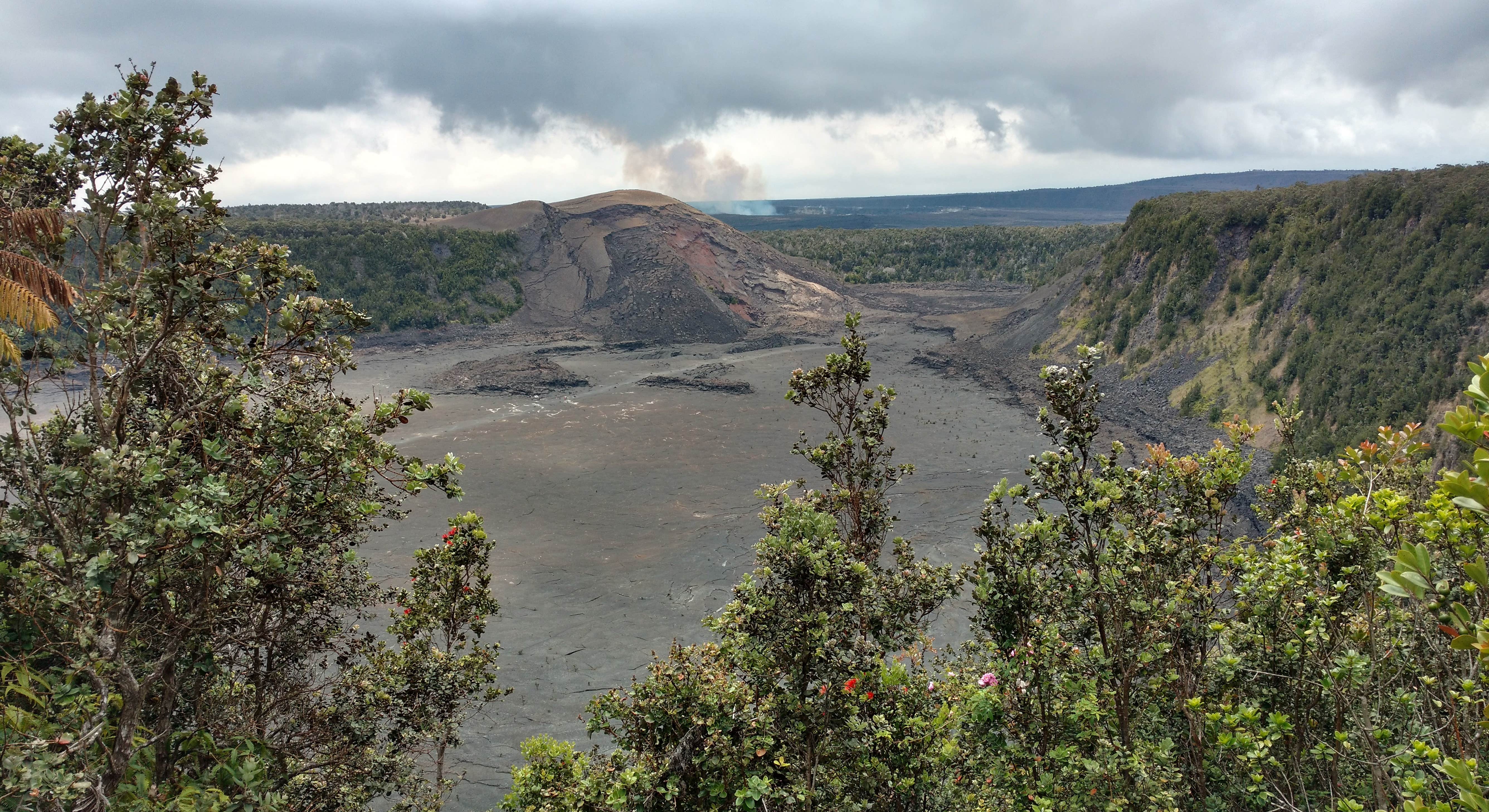 Photo by Dave G
Planning Your Hawaii Volcanoes Camping Trip 
When to Visit Hawaii Volcanoes NP
| Season | Temperatures | Camping Conditions |
|---|---|---|
| Spring (March-May) | Summit: 60-70 F days, 45-55 F nights Coast: 75-80 F days, 65-70 F nights | Wildflowers on lava fields Mild weather, occasional rain Lava activity possible (varies yearly) |
| Summer (June-August) | Summit: 65-75 F days, 50 F nights Coast: 80-85 F days, 70-75 F nights | Driest, clearest skies Peak visitor season Reservations needed for weekends |
| Fall (September-October) | Summit: 60-72 F days, 45-55 F nights Coast: 78-82 F days, 68-72 F nights | Generally dry, less crowded Vog (volcanic smog) can occur Great for backcountry treks |
| Winter (November-February) | Summit: 55-65 F days, 40-50 F nights Coast: 73-80 F days, 65-70 F nights | Frequent rain at summit Quieter season (except holidays) Active lava often visible at night |
Spring (March-May):
Cooler, pleasant weather and light crowds make spring a nice time to camp. By April, the winter rains taper off. The summit's forests turn vivid green, and lehua blossoms speckle the ohia trees with red. Early spring can still bring heavy showers and evening fog (vog if volcanic gas builds up). Trail conditions are generally good, though some backcountry routes may be muddy. Lava lake activity in Halemaumau (if ongoing) is often stable this time of year, offering dramatic night viewing without peak-season crowds. This is an excellent time for camping on Hawaii's Big Island without battling summer traffic.
Summer (June-August):
Peak visitation brings busy campgrounds -- Namakanipaio sites often book out months in advance for summer weekends. Weather is warm and typically dry. Kulanaokuaiki bakes under the sun (plan to hike and do activities in mornings and late afternoons to avoid midday heat). Ranger-led programs, like nighttime crater viewing and guided walks, are in full swing. This is the best season for stargazing and astrophotography, with clear skies over the volcano. Consider catching a meteor shower while camping during summer months. Bring rainflys and secure your tent; occasional trade winds can be strong, especially at Kulanaokuaiki's exposed sites.
Fall (September-October):
After Labor Day, visitor numbers dip, providing a more peaceful trip. Early fall often retains summer's drier weather. By October, periodic rain returns. The cooler nights and fewer crowds make it an excellent time for backcountry trips to coastal camps (still warm by day, but slightly more forgiving temperatures for hiking). Be aware that October is also when the park sometimes has increased vog if Kilauea is erupting and winds shift. Overall, fall offers a sweet spot of decent weather and breathing room at popular overlooks.
Winter (November-February):
The wettest months on Kilauea. Expect rain showers many afternoons at Namakanipaio (and occasional downpours). Kulanaokuaiki, being lower and drier, may have more pleasant weather but can be prone to sudden rainstorms too. Despite the rain, winter camping has perks: you'll often find yourself one of only a handful of campers. The holiday period can bring local families to camp, especially if lava activity ramps up (a Christmas/New Year eruption glow is a big draw). Pack warmer clothes -- summit temps can dip into the low 40s F at night, and brisk winds or even a rare summit frost can occur. Backcountry camping remains accessible year-round, but always check trail status; intense winter rains can occasionally close certain paths or make lava rock terrain slippery.
Hawaii Volcanoes Reservation Systems Explained
Securing a spot at Namakanipaio or a permit for backcountry camps requires some planning:
Namakanipaio Campground (Volcano House Reservations): This campground is managed by the park's concessioner, Hawaii Volcanoes Lodge Company. You can book campsites or cabins via the Volcano House website or phone line. Campsite reservations open 6 months in advance and are highly recommended for summer and holiday periods. A credit card payment holds your spot (cancellations require 48-hour notice for refund). Walk-ups are allowed for any open sites, paid at the self-pay station on site, but availability is not guaranteed in busy times.
Kulanaokuaiki Campground: No reservations are taken; sites are first-come, first-served. Arrive by late morning to early afternoon to claim a spot, especially on weekends. Rangers often have up-to-date info on how full Kulanaokuaiki has been in recent days -- it's wise to ask at the Kilauea Visitor Center before driving out. There is a self-registration station at the campground to fill out a permit slip and deposit your fee.
Backcountry Permits: All backcountry camping (coastal sites, Mauna Loa cabins, etc.) requires a free permit (with a $10 processing fee per trip) from the park's Backcountry Office. Permits are issued no more than 24 hours in advance of your trip start. In practice, you'll need to apply in person at the Backcountry Office (located at the Visitor Center) the day before or morning of your trip, during office hours (typically 8am-4pm). Popular spots like Halape sometimes reach their 16-person nightly capacity during holiday weeks -- have alternate sites in mind. Rangers will brief you on current conditions, water availability, and safety. The permit system provides up-to-date eruption information and prevents overuse of fragile areas. Check out state and national park camping reservation opening dates for broader planning information.
Special Note - Camper Cabins: The Namakanipaio camper cabins can be reserved through the same system as Volcano House lodging. These book up especially fast because they provide beds and shelter (a nice luxury in the often wet climate). Plan on reserving cabins 3-6 months out for peak season or weekends. Looking for a Hawaii Volcanoes cabin camping option? Check what's available in and around the park.
For last-minute camping: If Namakanipaio is full, check the park's Kahuku Unit (south of the main park) -- while it has no developed campground, it sometimes allows permit-only primitive camping during special events. Additionally, just outside the park, there are state and county campsites (like Whittington Beach Park, 45 minutes south) that could serve as overflow options. Other nearby beach camping spots include Hookena Beach Park and Milolii Beach Park. For a more inland forest setting, consider Kalopa State Recreation Area on the Hamakua Coast. Always have a backup plan during busy periods.
Campground Costs and Budgeting
| Campground Type | Nightly Cost | Key Features |
|---|---|---|
| Developed (Namakanipaio) | $15 (tent site) $80-$100 (camper cabin) | Water, flush toilets, picnic tables, fire pits; cabin costs higher but include beds and showers |
| Primitive (Kulanaokuaiki) | $10 per site | No water, vault toilet only; self-pay station on site; max 7 consecutive nights |
| Backcountry Camps | $0 per night (with $10 permit fee per trip) | Halape, Kaaha, etc. -- rain shelters and pit toilets at some sites; permit good up to 7 nights |
Additional Fees and Budget Tips
Park Entry Fees: Remember that in addition to camping fees, there's a park entrance fee of $30 per vehicle (valid for 7 days) or $55 for an annual Hawaii Volcanoes pass. If you hold an America the Beautiful National Parks Pass ($80/year), your entry fee is covered. The entrance fee is paid at the gate or online in advance.
Cabins and Equipment Rentals: The Volcano House concession offers cabin rentals (as noted above) and even tent rentals/packages for Namakanipaio if you reserve in advance. Renting gear can be pricey (around $40-$60 per night for a tent and sleeping pads package), but it might save hassle if you're traveling light. There are also local outfitters in Hilo that rent camping gear, often at lower rates, which could be useful for backcountry trips.
Firewood and Supplies: If you plan to grill or have a campfire at Namakanipaio, firewood bundles are for sale at the Volcano House and nearby stores (approximately $10 per bundle). Collecting downed wood in the park is not allowed, to protect the ecosystem. Stock up on groceries, stove fuel, and other supplies in either Hilo (45 min drive north) or Keaau (30 min) before coming to the park -- options near the park are limited to a small general store in Volcano Village (with higher prices). Ice is available at Volcano Village gas stations if you need to keep a cooler chilled.
Budget-Friendly Tips: Camping here is one of Hawaii's best bargains, given the state's typically high lodging costs. To stretch your dollars further:
- Combine with Dispersed Camping: While the park doesn't allow dispersed camping outside designated sites, the nearby Kau Forest Reserve and some county parks (like Whittington Beach Park or Punaluu Beach Park) allow free or low-cost camping. Manuka State Wayside is another option along Highway 11 between the park and Kona. Always research local regulations and safety for these sites. For more Hawaii dispersed camping options, check what's available across the Big Island.
- Share Rides and Gear: If you're flying in, rental cars and gear costs add up. Some visitors team up via The Dyrt community or park forums to share rides from Hilo or Kona and split gear rental costs or campsite fees.
- Plan Meals Wisely: Dining at the Volcano House restaurant is convenient but expensive. Instead, bring a cooler and cook simple meals at camp. Hawaii's grocery prices are higher than mainland averages, so pack dry foods from home if possible (oatmeal, pasta, trail mix). Use camp stoves as open fires may be restricted in dry periods.
Fuel Costs: The distances on the Big Island are significant. Budget for gas if you plan to drive to remote trailheads (like Mauna Loa's) or around to the park's coastal entry at Kalapana. There is no gas station within the park; the closest is in Volcano Village. Fill up when you can, as fuel is expensive in Hawaii.
Emergencies: There's a small medical clinic in Volcano Village; for anything major you'd need to go to Hilo. It's wise to have some funds set aside in case weather or vog forces you to change plans and get a last-minute hotel (vog can occasionally be bad enough that those with asthma might need to sleep at lower emissions areas outside the park).
Essential Gear for Hawaii Volcanoes Camping
Packing for this park means preparing for a bit of everything -- rain, sun, cool nights, and of course, the rough lava terrain:
Shelter and Bedding:
- Sturdy tent with full rainfly -- Sudden downpours and wind can occur year-round. A freestanding tent is ideal for pitching on hard lava or cinder at Kulanaokuaiki (bring extra guylines to secure to rocks).
- High-R-value sleeping pad and warm sleeping bag -- Nights can drop to the 40s F at Namakanipaio. A 20 F-rated bag is prudent. At coastal camps, a lighter bag is fine but still include a pad; lava rock ground is unforgiving.
- Ground tarp or footprint -- Protect your tent floor from abrasive lava and thorns from invasive kiawe plants found near coastal sites.
- Mosquito net (optional) -- Generally bugs aren't bad at the summit, but near stagnant water or after rains there can be mosquitoes at lower elevations.
Kitchen and Water:
- Stove and fuel -- White gas or propane stoves are must-haves (campfires aren't allowed in backcountry and may be banned during droughts even at frontcountry sites). Pack extra fuel -- water takes longer to boil at 4,000 ft elevation.
- Water containers -- You'll need to haul water at Kulanaokuaiki and all backcountry sites. Carry sufficient capacity (at least 4-6 liters per person per day in the backcountry). Collapsible jugs work well for car camping, hard bottles for backpacking.
- Water filter or treatment -- If using catchment tank water at Halape or Kaaha, it MUST be treated. A filter is effective (water can have sediment/debris) and add tablets or UV as backup.
- Cooler -- Useful at Namakanipaio for keeping food fresh (nights are cool which helps). Just remember to store all food in provided lockers when not in use due to nene and mongoose raids.
- Critter-proof container -- Not for bears (no bears in Hawaii), but a sturdy container can protect your food from rats or mongooses in camp. Alternatively, use the metal food lockers at Namakanipaio and Kulanaokuaiki.
Clothing:
- Rain jacket and rain pants -- A lightweight, breathable set is invaluable. Rain can chill you quickly at elevation; staying dry means staying warm.
- Multiple layers -- Bring at least one warm fleece or puffy jacket for summit evenings, plus a long-sleeve shirt or sun hoodie for daytime sun protection on the lava fields. In coastal camps, a light long-sleeve can also protect against sun and bugs.
- Hiking boots or trail shoes -- The lava terrain is sharp and uneven. Sturdy, closed-toe footwear is necessary (don't even think about flip-flops except for around camp or beach). Many hikers wear gaiters to keep pebbles out and protect ankles from abrasive rock.
- Gloves -- Gardening-type gloves or lightweight work gloves can be handy if you plan to scramble on lava rock (protects your hands when gathering firewood, too).
- Bathing suit and reef-safe sunscreen -- If heading to Halape or another coastal site, you'll want to take a dip. The sun near the equator is intense; waterproof, reef-friendly sunscreen is a must for skin and coral health.
Other Essentials:
- Headlamp with red-light mode -- Nighttime lava viewing is a highlight; a headlamp allows hands-free hiking in the dark and red mode lets you see without ruining your night vision or bothering others.
- Navigation aids -- Carry a park map and/or GPS. Much of the backcountry is across unmarked lava wilderness -- trails are rough rock cairns in places. A GPS app with offline maps (and spare battery) or dedicated GPS can be life-saving in poor visibility.
- First aid kit -- Include moleskin or blister care (lava rock is tough on feet), adhesive tape, disinfectant (scrapes on lava rock need cleaning), and any personal meds. It's wise to have tweezers for spines (kiawe thorns or invasive raspberry brambles can snag you).
- Dust mask or bandana -- If the volcano is emitting vog heavily, a simple N95 mask or even a damp bandana over your face can help filter out some sulfur dioxide when hiking (the park will close areas if levels are dangerous, but mild vog can irritate some people).
- Binoculars -- Great for wildlife (spotting nene or tropicbirds) and also for safely observing lava lake activity from afar. If you're at the crater rim at night, binoculars let you see lava splashes and crater details better.
- Camera -- The photo opportunities are endless, from glowing lava against the stars to misty tree fern forests. If shooting at night, bring a tripod for those long-exposure shots of the lava glow.
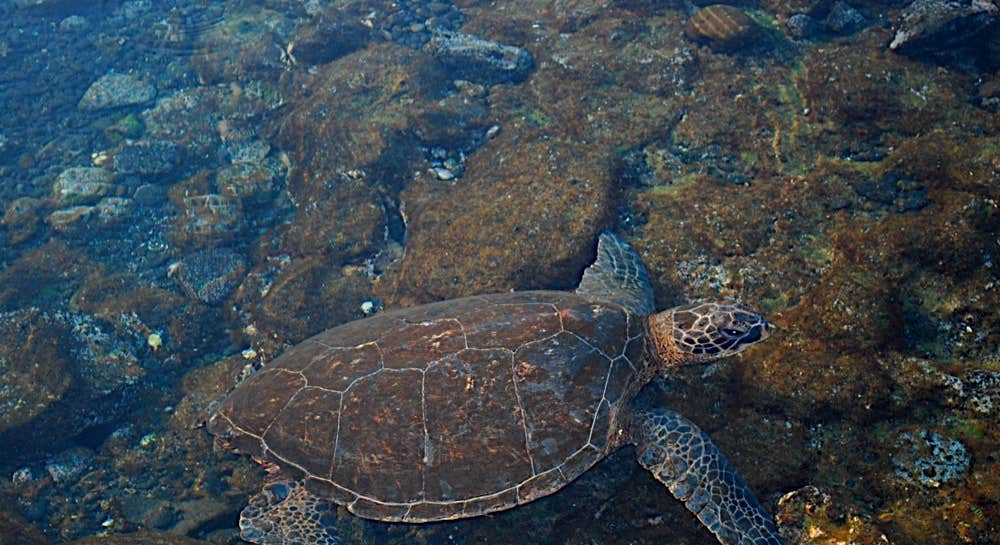 Photo by Kristy K
Wildlife Safety and Park Regulations 
Wildlife Considerations: Nene, Mongooses, and More
Hawaii Volcanoes National Park is home to unique and endangered species, so campers must take special care to protect wildlife and themselves:
Nene (Hawaiian Goose):
The nene, Hawaii's state bird, often wanders through Namakanipaio and other grassy areas. They may appear tame but do not feed them and keep your distance (at least 30 feet). Nene are curious and will investigate campsites; all food and trash must be secured in the campground's metal lockers. Driving caution: these geese sometimes forage along roadsides, especially in early morning or evening. Obey the park's posted 15 mph speed near campgrounds to avoid collisions.
Other Animals:
There are no large mammals or predators in the park, but introduced pests like mongooses, rats, and feral cats are common around camp areas. These animals are adept at stealing food. Store food, coolers, and scented items securely (lock them in your vehicle or provided lockers at night). Bugs: Mosquitoes can be present in wetter areas (like near Kilauea summit after rains) -- use repellent, especially at dusk. Scorpions and centipedes (while not deadly) live under rocks; shake out boots and gloves before putting them on, and use a ground cloth under your tent.
If you encounter wildlife in distress or acting aggressive (very rare), notify a ranger. The park works to protect native species; for instance, there are closures during nene nesting season in some areas -- heed any signs or ranger advisories about wildlife.
Park Regulations and Etiquette
| Regulation Category | Rules to Follow | Penalties |
|---|---|---|
| Campfire Use | Allowed only in fire pits/grills at Namakanipaio No fires at Kulanaokuaiki or backcountry Never leave fires unattended; extinguish fully | Fine up to $500 for illegal fires Rangers will extinguish and issue citation |
| Quiet Hours | 10:00 PM - 6:00 AM in campgrounds No generator use 8 PM - 8 AM Music must be kept low at all times | Warning for first offense Repeat violations = eviction from campground |
| Food Storage | Use provided lockers at camps No food or trash left out (day or night) Do not feed any wildlife, ever | Fines for feeding wildlife Habituated animals may be removed from area (for their safety) |
| Leave No Trace | Stay on marked trails (don't shortcut or create new paths) Pack out all trash (including tiny micro-trash) Do not take lava rocks, sand, or cultural artifacts | Removing natural or cultural items is illegal (fines vary) Rangers actively enforce resource protection |
Additional Park Regulations
Lava Rocks: It's against park rules to collect or remove lava rocks. Besides being illegal, there's a local legend that taking rocks incurs Pele's curse of bad luck -- better to leave them and just take photos! Learning about active volcanoes in the U.S. can help you appreciate why these geological features need protection.
Pets: Pets are not allowed on park trails or in the backcountry. In drive-in campgrounds, pets must be leashed and attended at all times. Do not leave pets in hot cars or tents. Pet waste must be picked up. If you have a service animal, consult park regulations for specific allowed areas. For pet-friendly camping near Hawaii Volcanoes, check out nearby options outside the park.
Drones: Unmanned aircraft are prohibited in all national parks, including here. You cannot launch, land, or operate drones within park boundaries -- this protects wildlife and the visitor experience (and it's a serious offense resulting in hefty fines/confiscation of equipment).
Cultural Sites: The park contains sacred Hawaiian sites (such as ancient petroglyph fields and burial sites). Respect all signage and barriers; never climb on or alter rock structures or touch petroglyphs. It's both illegal and deeply disrespectful to disturb these cultural resources. If you find a cultural artifact, leave it in place and inform a ranger.
Volcanic Hazards: Do not venture beyond barriers at volcanic craters or on closed trails. The crust can be unstable near recent lava activity. In 2022, a visitor who bypassed a barrier suffered severe burns from falling into a steam vent -- these rules are there for your safety. Also, heed air quality warnings -- if sulfur dioxide levels rise, certain areas (like Halemaumau overlook) may be temporarily closed. Read about a visitor who fell into Kilauea volcano to understand why barriers exist.
Stay Informed: Conditions can change daily. Check the visitor center bulletin board or park website each morning for updates on eruptions, road closures (e.g., Chain of Craters Road sometimes closes if there's a significant lava flow or storm damage), and special weather statements. Rangers host a "Morning Update" talk at 9am at the visitor center, which often includes the latest on lava or any notable changes -- it's worth attending.
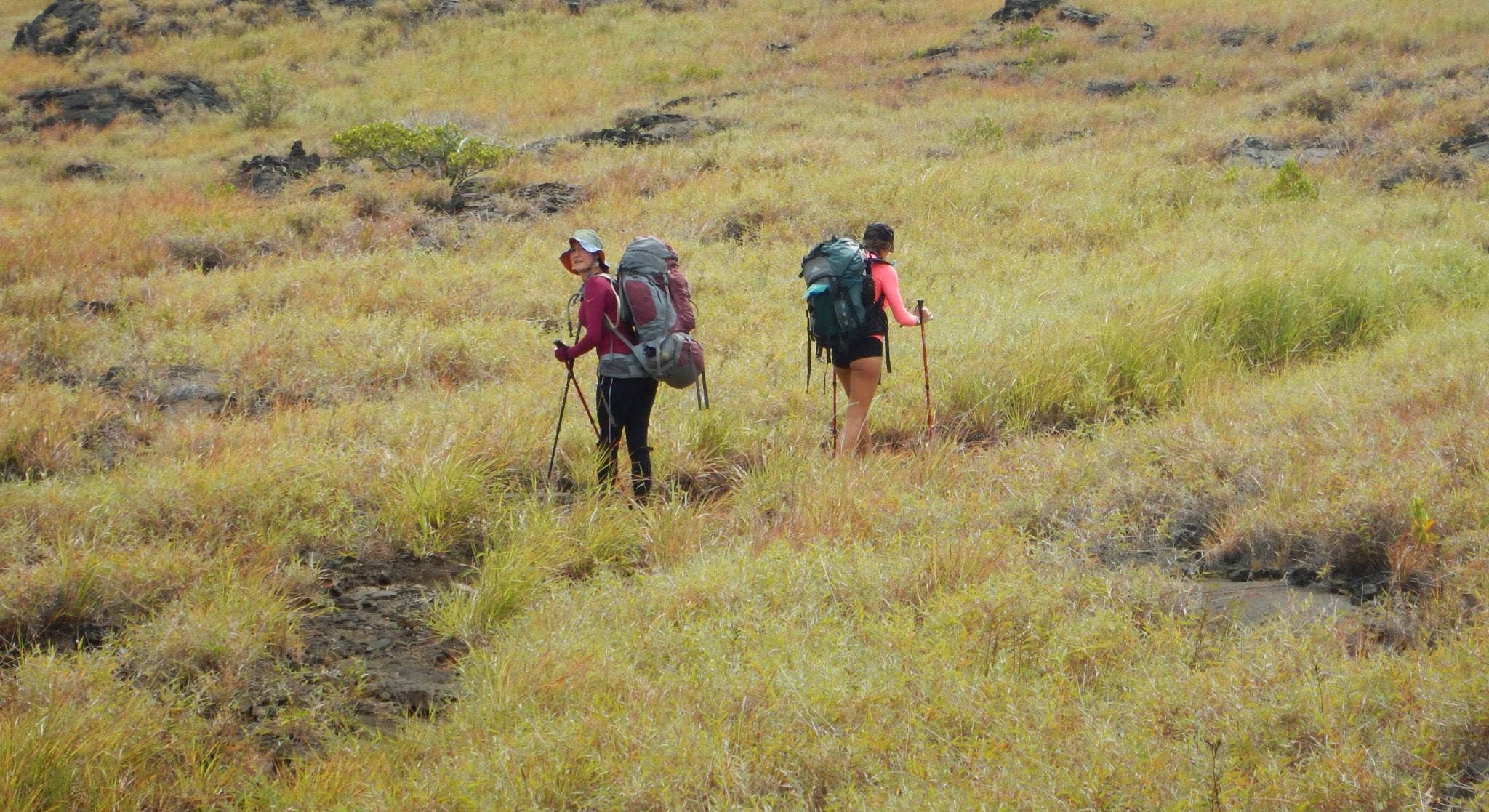 Photo by Laura H
Beyond the Campground: Activities and Exploration 
Day Trips from Hawaii Volcanoes Campgrounds
From Namakanipaio Campground (Summit Area):
Staying at Namakanipaio puts you just minutes from many of Kilauea's top attractions. Kilauea Iki Trail is a must-do day hike (4-mile loop) that descends through lush rainforest to cross a cooled lava lake from 1959 -- you can start this hike 2 miles from camp at the trailhead on Crater Rim Drive. The Thurston Lava Tube (Nahuku) is an easy 0.4-mile walk through a gigantic prehistoric lava tunnel, located 5 minutes by car from camp. In the evenings, drive 3 miles to Kilauea Overlook near the visitor center to witness any glow from Halemaumau crater -- on clear nights during eruptions, you'll see the sky lit red and the lava lake churning (bring a jacket and hot cocoa!). Historic Volcano House hotel (adjacent to the overlook) has a glassed-in viewing deck and a cafe perfect for a warm drink after stargazing. For the best camping spots in Hawaii Volcanoes National Park, check out our complete guide.
From Kulanaokuaiki / Hilina Pali Road:
Camping here opens up the park's more remote southwest side. Drive down Hilina Pali Road (a narrow road through scrubland) 2 miles to Kealakomo Overlook for sweeping views of the coastal plain and Pacific Ocean -- on clear days you can see all the way to the ocean cliffs and distant surf. Further down, at road's end (approximately 9 miles from camp), the Hilina Pali Overlook sits atop a 2,000-ft cliff; it's a dramatic spot for a picnic (with tables and pit toilet) and the trailhead for Kaaha and Halape backcountry hikes. If you're up for adventure, take the rough Puu Loa Pali Road (high-clearance vehicle recommended) 1.6 miles from camp to access Puu Loa Petroglyphs Trail -- a short hike leads to a boardwalk with hundreds of ancient Hawaiian carvings in lava rock. Kulanaokuaiki campers also have quick access to Ainahou Ranch Road, a dirt road (closed to public vehicles) that's interesting to mountain bike or hike for bird watching (native honeycreepers and nene frequent the area).
From Coastal Camps (Halape/Kaaha):
If you've backpacked to these sites, your day trips are more like side excursions: At Halape, a worthwhile 1.2-mile hike (one-way) leads to Halape Iki, a smaller cove west of the main camp known for its tranquil tide pools -- often completely empty of people. Fishing along the rocky points (with a Hawaii license, if required) can yield ulua (trevally) or other reef fish -- some campers catch their dinner here. At Kaaha backcountry camp, snorkeling the cove is a top activity (bring mask and fins in your pack!). Mornings usually offer the calmest waters to see colorful fish among the coral fingers. Both Halape and Kaaha are prime for relaxation -- hanging a travel hammock between coconut palms and listening to the waves is a just reward after the tough hike in. For more adventures nearby, check out must-do adventures near Hawaiian campgrounds.
Top Hiking Trails Near Campgrounds
| Trail Name | Difficulty & Distance | Highlights |
|---|---|---|
| Kilauea Iki Loop | Moderate 4 miles round-trip | Descend from lush rainforest to a solidified lava lake, steaming vents, crater viewpoint |
| Halemaumau Trail | Moderate 1.8 miles round-trip (from Volcano House to crater) | Cross the caldera floor to a viewpoint near the smoking crater (when open; may close for safety) |
| Thurston Lava Tube | Easy 0.4 miles loop | Short walk through a massive naturally formed lava tunnel; dense fern forest at tube's exit |
| Puu Loa Petroglyphs | Easy 1.4 miles round-trip | Boardwalk loop over a lava field with approximately 23,000 ancient Hawaiian petroglyph carvings |
| Mauna Loa Summit | Strenuous Approximately 18 miles one-way (overnight) | Epic multi-day trek from Red Hill Cabin to world's largest volcano summit; high altitude, unparalleled sunrise |
Trail Access and Tips
Summit Area Trails: Many of the popular hikes (Kilauea Iki, Devastation Trail, Byron Ledge) start along Crater Rim Drive, within a 5-10 minute drive of Namakanipaio Campground. There's parking at trailheads, but go early (8-9 AM) to beat tour groups. Weather can shift rapidly -- start hikes in the morning for clearer views before afternoon clouds build up in the crater.
Crater Crossings: Some trails like Halemaumau or Byron Ledge may be closed if volcanic conditions are hazardous (e.g., increased sulphur fumes or new eruptions). Always obey closure signs. Rangers sometimes lead guided walks onto the caldera floor when conditions allow -- a great opportunity to go safely beyond the normal trails.
Hilina Pali and Coastal Trails: The hike to Halape or Kaaha starts at either Hilina Pali Overlook or the Mauna Iki trailhead on Chain of Craters Road. These routes traverse open lava flows -- no shade, very little signage. Carry navigation tools (GPS or detailed topo map) and 4 liters of water minimum per person for the full-day trek. Start predawn or at first light to avoid hiking in peak heat; the black lava absorbs sunlight and can radiate intense heat.
Mauna Loa: The summit hike is in a league of its own -- you must register with rangers for a backcountry permit and weather check. Typically, it's done over 2-3 days (one night at Red Hill Cabin, one at Summit Cabin). Check for Mauna Loa trail updates; winter weather (snow/ice) can close the upper route. Altitude sickness is a real risk -- know the symptoms and don't push yourself if feeling ill.
Volcanic Gas Alerts: Some days, trails on the Kilauea caldera floor are closed due to high vog or SO2 levels. If you smell a pungent, match-like odor or notice throat irritation while hiking, turn around -- winds might be blowing fumes toward you. The park posts "gas hazard" warning signs when in doubt. If conditions worsen, have a plan to retreat to higher ground or away from the fume source.
Other Activities: Ranger Programs and Scenic Drives
Beyond hiking, make time for the park's interpretive offerings. Ranger talks and guided walks are typically scheduled daily at the visitor center or at overlook points (topics range from geology to Hawaiian culture). In the evenings, the park often sets up volcano viewing with rangers at Kilauea Overlook -- rangers provide extra telescopes or laser-guided star talks under the night sky. Check the weekly schedule in the visitor center.
Driving Chain of Craters Road is a highlight: this 19-mile road (one-way) descends from the summit to sea level, passing several lava flow landscapes and ending near Holei Sea Arch on the coast. Campers at Namakanipaio can allocate a half-day for this drive (with short hikes at Puu Loa Petroglyphs and Devil's Throat crater). Note that there's no exit at the bottom -- you'll drive back up the same way. Bring water and snacks; there are no services on this road beyond a few vault toilets.
For a truly unique adventure, consider a guided lava hike or boat tour if lava is flowing outside the park boundaries. Licensed guides in nearby communities offer hikes to see surface flows (when present, often on the remote east rift zone) or boat charters to view ocean lava entries (when active). These are outside park jurisdiction but can be arranged in Volcano Village or online -- just make sure any guide you hire is reputable and safety-focused. Read about the Hawaii Big Island Kilauea eruption for background on what to expect. For camping near the eastern rift zone, check out Kalapana area camping options.
The Dyrt Community Insights 
Ranger Recommendations
Experienced park rangers and The Dyrt Rangers (top reviewers) have offered some insider tips for camping in Hawaii Volcanoes:
Best Campsite at Namakanipaio:
"Try for sites along the treeline on the campground's west edge," suggest rangers -- these spots (often sites #1-3) have a beautiful open view toward Mauna Loa and tend to be slightly drier if nighttime mist rolls in. Rangers also note that nene geese frequent the grassy areas by the center of camp in early morning; enjoy them from afar and keep that food locked up.
Kulanaokuaiki Secrets:
The Dyrt Rangers praise Kulanaokuaiki's serenity. One Ranger writes, "On weekdays I've had Kulanaokuaiki entirely to myself -- pure magic at night." They recommend the sites at the far end of the loop for best privacy and sunset views. Also, set up your tent entrance facing east; trade winds from the northeast are common, and your tent will be less buffeted if it's streamlined into the wind.
Backcountry Must-Do:
A park ranger with 30+ years experience emphasizes making the trek to Halape if you're physically able. "It's the quintessential Hawaii Volcanoes experience -- solitude on a beach with Pele's work all around you." They advise starting at first light to avoid heat, and to spend at least two nights if you can: "Day one hike in, day two relax and check out tidepools, day three hike out at dawn." Another tip: pack a floatie (inflatable tube) to enjoy the Halape water more comfortably -- rangers have seen some creative campers floating in the shallows!
Volcano Updates:
Both rangers and The Dyrt community stress the value of checking the park's eruption updates. Conditions can change and new viewing opportunities can arise. For example, when Kilauea's lava lake rose in 2021, the park opened a section of Crater Rim Drive for closer viewing -- campers who stayed informed were able to walk out at 3 AM for an incredible show with hardly anyone else around. Always ask rangers, "What's the lava doing today?" -- they love that question and will happily share the latest.
Top-Rated Sites from The Dyrt Community
| Category | Top Pick & Rating | Key Highlights |
|---|---|---|
| Highest-Rated In-Park Camp | Halape Shelter 5.0 / 5 stars | "Unreal beach paradise after tough hike" -- solitude, stargazing, coconut palms, clear water |
| Best Frontcountry Experience | Namakanipaio Campground 4.7 / 5 stars | Cool forest setting, convenient to lava overlooks, well-maintained facilities, family-friendly |
| Best for Adventure Seekers | Mauna Loa Summit Cabin 4.5 / 5 stars | High-altitude views, summiting world's largest volcano, unique terrain (thin air!) |
Community Insights and Recommendations
Coastal Camping Praise: The Dyrt users consistently rave about Halape backcountry shelter. Many call it "the most amazing campsite in Hawaii" for its combination of a secluded beach and volcano backdrop. One reviewer noted the thrill of seeing "the glow of lava on the horizon from sea level" during a 2016 eruption, all while falling asleep to the sound of the waves. Kaaha shelter gets love too, especially from repeat local hikers who appreciate having a shelter and the great fishing -- just be prepared for those steep switchbacks on the hike out!
Summit vs. Coast: Campers have commented on the stark contrast between summit camping and coastal camping. A common tip is to spend a night at each if possible -- for example, one night at Namakanipaio Campground to see the lava lake glow and do summit hikes, then one night down at Halape to see the ocean and experience lava by boat (when active). This "best of both worlds" approach requires planning (and a good pair of legs), but folks say it's the ultimate way to experience the park's range.
Be Prepared for Rain: A recurring theme in reviews -- it rains at Kilauea a lot. Numerous campers mention sudden downpours at Namakanipaio that soaked gear when they left things out. The community's advice: always secure your rainfly and put away gear even if skies are clear at bedtime. One camper humorously wrote, "Our midnight scramble to throw the rainfly on in a surprise shower became part of the adventure -- but I'd rather have been sleeping!" Those who came prepared with tarps and a positive attitude still gave their trip 5 stars.
Respect the Aina (land): Many local campers and guides on The Dyrt emphasize showing respect for this sacred landscape. This isn't just following rules, but also being mindful of cultural sites and the stories of Pele (the volcano goddess). One camper recounted meeting an elder at a lookout who shared that Halemaumau crater is Pele's home -- and that knowledge deepened the camper's appreciation of the trip. The community encourages new visitors to Hawaii Volcanoes to take time to learn a bit of Hawaiian culture and volcanic lore -- it truly can enrich your camping trip on this living, breathing volcano.
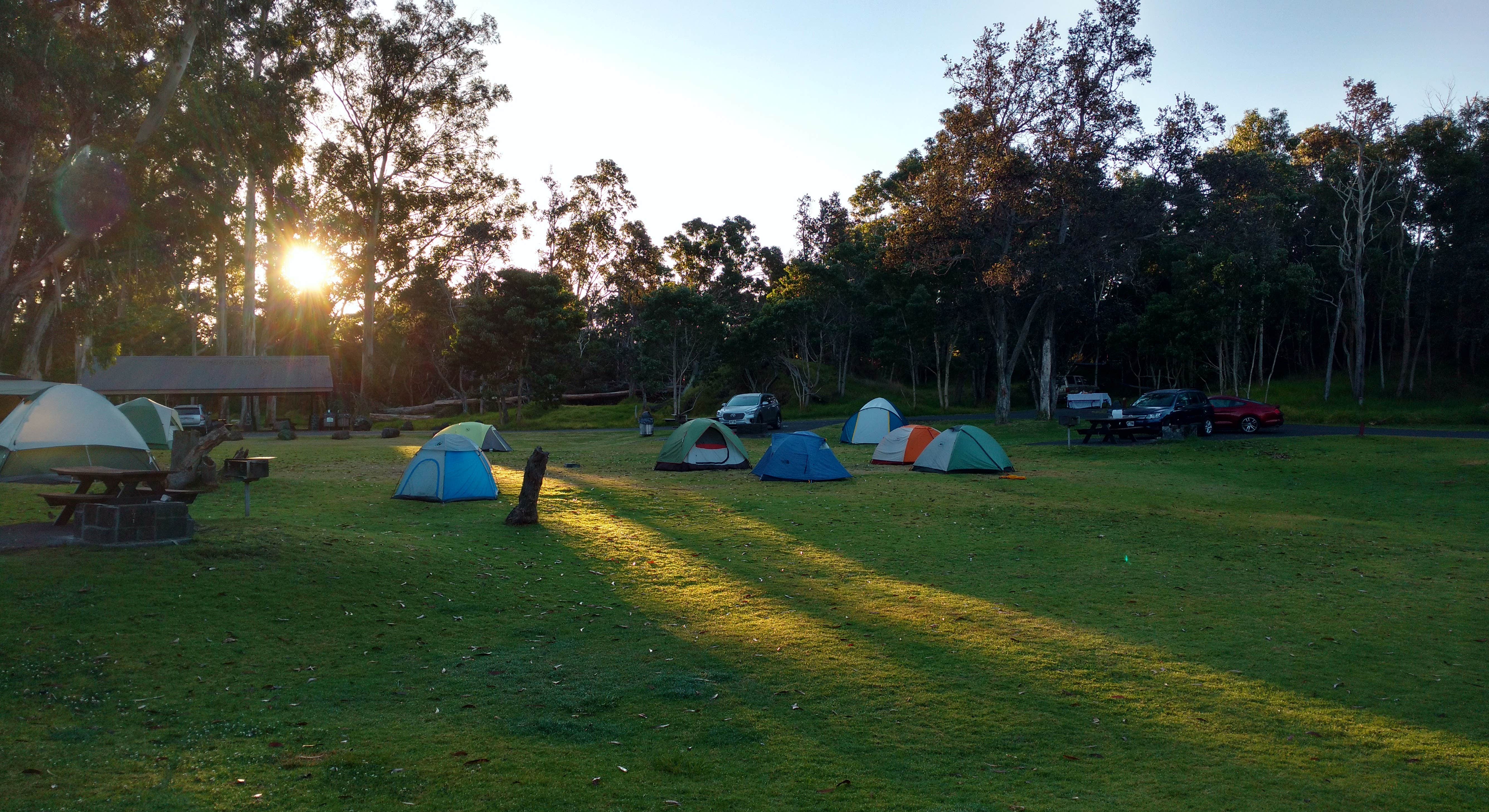 Photo by Dave G
Responsible Camping Practices 
Camping in Hawaii Volcanoes means being a steward of a fragile and dynamic environment. Practice the following to minimize impact and stay safe:
Wildlife Protection:
- Store all food, trash, and scented items in provided animal-proof lockers or in your vehicle (windows up). This prevents nene and other creatures from associating humans with food.
- Never feed wildlife. Nene geese that get fed by visitors often end up in parking lots where they risk being hit by cars. Keep wildlife wild by not giving handouts.
- Dispose of fish scraps or food waste properly -- do not toss them into bushes or ocean. At coastal camps, food waste can attract unwanted rats or feral cats that harm native wildlife.
- Secure your tent zippers to prevent clever mongooses from nosing in (they can and will if they smell snacks!).
- If you fish or gather opihi (limpets) for food, follow regulations and size limits -- overharvesting can harm the park's intertidal ecosystem.
Leave No Trace:
- Pack out everything you pack in. This includes tiny bits of trash like bottle caps, food wrappers, bread ties, etc. Campers have found micro-trash in cracks of lava where insects or birds might ingest it. Keep it with you until you find a bin.
- Stay on established trails and hardened surfaces. Cutting switchbacks or walking on undeveloped ground can crush rare native plants like the silversword or young tree ferns. Even on lava, follow the marked cairns; there may be cultural sites or fragile crusts off trail.
- Do not build rock cairns or rearrange stones. In Hawaiian culture, rocks are often linked to spiritual significance; plus, unofficial cairns can mislead hikers on lava flows. Rangers dismantle unauthorized markers.
- Bury human waste 6-8 inches deep and 200 feet from water sources (if you're in backcountry without a toilet). Better yet, use the composting or pit toilets provided at Halape, Kaaha, etc. Always pack out toilet paper (animals will dig it up otherwise).
- Graffiti or scratching on lava rocks, tree bark, or in lava tubes is strictly prohibited. Sadly, rangers occasionally find carved initials -- a permanent scar on Pele's canvas. Don't be that person; take photos of nature's art instead.
Safety and Respect:
- Volcano awareness: These volcanoes are sacred to Hawaiian culture. Show respect at culturally sensitive sites -- for example, remain quiet and reverent at petroglyph fields or ahu (stone altars) you might see. Do not stack rocks or disturb any offerings you might encounter.
- Heed all safety signs regarding volcanic fumes, cliff edges, or closed areas. They exist because the park wants you to go home in one piece. If an area is roped off due to unstable ground or toxic gas, it's truly dangerous -- not an invitation to sneak in for a photo.
- Fire safety: Use only designated fire pits and make sure fires are completely out with water. In dry periods, the park may ban open fires entirely (check bulletin boards). Wind can send embers into dry grass or onto tents -- never leave even a smoldering log unattended.
- Respect Quiet: Sound travels far in the open caldera and coastal plains. Keep voices down at night, especially at Kulanaokuaiki or backcountry sites where sound pollution can disrupt the wilderness vibe (and other campers' time). Remember, many visitors come to hear nature's silence -- the crackle of lava, the whisper of wind through ohia trees.
By following these practices, you make certain that Hawaii Volcanoes remains healthy and that you and fellow campers stay safe. The park is a living laboratory of geology and a sacred place of culture -- treating it with care is the responsibility of all who pitch their tent on this remarkable volcano.
Frequently Asked Questions 
Can I see active lava when camping in the park? It depends on Kilauea's activity at the time. As of 2025, Kilauea's lava lake is intermittently active within Halemaumau crater. When it is, you can see a red glow (and sometimes splatters of lava) from viewpoints like Kilauea Overlook or Volcano House after dark. However, there are currently no surface flows in accessible areas of the park (the 2018 eruption ended the long-running ocean entry). For the latest, check with rangers -- if lava conditions change, they will guide you to the best (and safest) viewing spots. Occasionally, flows outside the park (on private or state lands) are viewable via guided hikes or boat tours from adjacent communities.
Do I need a 4-wheel drive vehicle to reach the campgrounds? No for frontcountry campgrounds; Yes for some backcountry trailheads. Namakanipaio is right off the main highway (paved road access). Kulanaokuaiki is reachable by any car via Hilina Pali Road -- it's narrow and bumpy in spots but paved for much of the way and then well-graded dirt. Standard vehicles typically handle it fine (just go slow over potholes). However, if you want to drive further to access spots like the Mauna Loa Lookout (17 miles up a rough road) or the trailhead to Pepeiao via Kau Desert, a high-clearance 4WD is strongly recommended. Those roads are unpaved, rocky, and sometimes muddy. You can always opt to hike or bike on those roads if you don't have 4WD. Regular rental cars are okay for all main park roads and the two campgrounds.
Are there showers and potable water available? Potable water is available at Namakanipaio Campground (spigots near the restrooms) and at the Kilauea Visitor Center. There are no showers for tent campers in the park. The only public showers are for campers staying in Namakanipaio's camper cabins (and those are key-access only). If you need a shower during a long trip, you can book a night at a hostel or use public pool showers in Hilo. Some nearby accommodations in Volcano Village might let you pay a fee to shower if you ask nicely. Always bring enough water to clean up basics in camp -- or take a dip in the ocean at Halape (just avoid using soap in natural water sources).
What about air quality -- is vog dangerous? Vog (volcanic smog) is a haze of sulfur dioxide gas and fine particles from the volcano. Most visitors will notice only mild effects if any (like a smoggy day in a city). For generally healthy people, camping in light vog isn't harmful for a short period. However, if you have asthma or respiratory issues, vog can irritate your lungs -- you might feel short of breath or develop a cough. The park monitors air quality; if levels become hazardous, areas will be closed. As a camper, know that summit areas get vog more often when trade winds die. Coastal camps usually have cleaner air (vog blows upward). If you're sensitive, consider camping at Kulanaokuaiki or near the ocean where air circulates better, and carry a mask. Rain often "clears the air" as well. Check the park's Air Quality webpage for real-time vog info.
Is it safe to camp at the coast regarding tsunamis or sudden eruptions? The park's coastal campsites are in areas with some geologic risk, but rangers manage access with safety in mind. Tsunamis are very rare -- Halape did experience a small tsunami in 1975 after a major earthquake. Today, earthquake early warning systems and the Pacific Tsunami Warning Center provide alerts. If you feel a strong earthquake while at a coastal site and the ocean suddenly recedes or behaves oddly, move to high ground immediately (e.g., the shelter at Halape is on a slightly raised bench -- go even higher if possible). The park will close coastal sites if seismic activity suggests a high risk. As for eruptions, Kilauea's eruptions since 1983 have been in the summit or in the east rift (the 2018 event did send lava near the coast but outside camp areas). New fissures are extremely unlikely to open where designated camps are -- those regions are outside known rift zones. Nonetheless, registering for a backcountry permit provides rangers know where you are and can send word if anything changes. It's a good practice to carry a battery radio or a satellite messenger device for any remote camping, to receive emergency broadcasts.
How do I get a backcountry permit for camping? You must obtain it in person at the Backcountry Office by the Visitor Center, up to 24 hours before your trip. Permits are free (with the $10 fee), and you'll fill out a form with your planned itinerary. Ranger approval is needed -- they will check that your plan is feasible and not in closed areas. Only a certain number of people are allowed per site per night (usually 12-16 depending on the site). It's rare for the park to sell out of backcountry permits except perhaps Halape on a holiday weekend. In those cases, it's first-come, first-served. You cannot reserve these permits online or in advance; the park used to have a trial reservation system but discontinued it. The upshot: flexibility. Have a second choice site or night in mind if you have a tight schedule. The Backcountry Office opens at 8:00 AM; showing up right then gives you plenty of time to get your permit and hike out that day.
Are campfires or ground fires allowed? Not in backcountry or Kulanaokuaiki. At Namakanipaio, yes, in the provided fire pits/grills -- unless a fire ban is in effect (check for posted notices in dry season). Wood in the pit, charcoal in the grill is the rule. Collecting down wood from the surrounding forest is technically not allowed (it provides habitat for insects and nene nesting material). Instead, bring your own firewood or purchase it. Keep fires small and manageable; never leave them unattended and douse thoroughly with water before sleeping or leaving.
What's one thing most people forget to bring when camping here? Many forget warm clothing or underestimate how cool and wet it can be. We've seen folks shivering in beachwear at Namakanipaio when the thermometer drops to 50 F and a mist rolls in. Bring a sweatshirt or light jacket even if you plan to only camp by the ocean -- weather can change and winds can make it feel chilly at night. Another often-forgotten item is a headlamp (or spare batteries for it). With so much focus on volcano viewing, people sometimes forget how dark it gets when the glow isn't directly lighting your path. Finally, some forget a sense of humility -- remember you are camping on an active volcano in a sacred landscape. Come with respect, openness to local culture, and willingness to adapt to nature's schedule (Pele, not you, decides if you'll see lava!). With that mindset, your trip will be incredible whether or not the lava is spattering on cue.
Can I bring my RV to Hawaii Volcanoes? Yes, but with limitations. For RV camping near Hawaii Volcanoes National Park, Namakanipaio Campground can accommodate smaller RVs, but there are no hookups available. The sites are designed primarily for tent camping and the 10 cabins. Kulanaokuaiki's narrow access road and lack of any amenities make it unsuitable for most RVs. For full-service RV camping with hookups, you'll need to look outside the park at private campgrounds or county facilities. Check out Hawaii RV camping options across the Big Island for more choices. Near Kailua-Kona on the west side of the island, there are additional camping options near Kailua-Kona that may suit RV travelers.
Hawaii Volcanoes Planning Resources
Essential Hawaii Volcanoes Links
- The Dyrt - Find Top Campsites for Hawaii Volcanoes Camping - Read recent campground reviews and tips from other campers
- Hawaii cabin camping options near Hawaii Volcanoes NP - Browse cabin rentals across the Big Island
- Hawaii Volcanoes National Park Official Website - Current eruption updates, park maps, alerts, and closures (check the "Plan Your Visit" and "Current Conditions" sections)
- Volcano House (Camping Reservations) - For Namakanipaio campground reservations, camper cabin info, and general lodge services
- NPS Backcountry Hiking Page - Lists backcountry campsite details, mileage, and permit procedures (including office hours and contact number)
- HVO Air Quality Dashboard - Real-time vog and SO2 levels at the park's various stations
Reservation Timeline for Hawaii Volcanoes NP
| Timeframe | Task | Details |
|---|---|---|
| 3-6 Months Before | Book Namakanipaio campsites or cabins | If visiting in summer or holidays, reserve via Volcano House for desired dates |
| 1 Month Before | Acquire gear and plan itinerary | Reserve any rental gear needed in Hilo/Kona; decide on backcountry vs frontcountry nights |
| 1 Week Before | Check eruption status and weather | See if Kilauea is active (adjust plans for night viewing); look at forecast for rain gear needs |
| 1-2 Days Before | Buy supplies and fuel | Purchase groceries, stove fuel, firewood en route (Hilo or Kona have big stores, Volcano has small market) |
| Day Before (if backcountry) | Obtain backcountry permit | Visit park Backcountry Office 8am-4pm to get permit for next day departure; pack up |
| Arrival Day | Set up camp by afternoon | Aim to reach campground by 2-4pm to pick a site (if first-come) and pitch tent with daylight |
Hawaii Volcanoes Camping Checklist
Documents and Reservations:
- Park entry pass or receipt (print or have on phone)
- Camping reservation confirmation (if applicable for Namakanipaio)
- Backcountry permit (if backpacking; obtained just before trip)
- Emergency contact info left with someone at home
- Rental car agreement and insurance info (store in glove box)
Camping Gear:
- Tent (with rainfly, poles, stakes, repair sleeve)
- Ground tarp/footprint
- Sleeping bags (rated for approximately 20 F cooler than expected low)
- Sleeping pads (insulating type if at summit)
- Camp pillow or stuff-sack pillowcase
- Headlamps or flashlights (one per person) + extra batteries
- Lantern or area light for camp (optional, handy at picnic table)
Cooking and Food:
- Stove and fuel (more fuel than you think -- water boiling for coffee, freeze-dry meals, etc.)
- Lighter and waterproof matches
- Cookware (pot, pan if needed, kettle)
- Utensils (spoon, fork, knife) and cooking utensils (spatula, serving spoon)
- Plates/bowls and insulated mugs
- Biodegradable soap, scrubber, dish towel (do washing at spigot, not on ground)
- Cooler with ice (for frontcountry; double-bag ice to avoid leaks)
- Trash bags (medium size to pack out garbage securely)
- Water containers (fill containers before arriving; 5 gallons is a good start for car camping)
- Water filter/purifier (for backcountry or emergency)
- Critter-proof container or dry box for food (especially for backcountry to foil rodents)
- All food for trip (plan meals + extra snacks; include high-energy items for hikes)
Clothing:
- Moisture-wicking t-shirts/shorts (for hiking in warm parts of park)
- Long-sleeve shirt (for sun and light warmth)
- Fleece or insulated jacket
- Lightweight down or synthetic puffy (packs small; great for cold nights)
- Rain jacket (with hood) and rain pants
- Hiking pants or leggings
- Hat for sun (wide-brimmed or baseball cap) and knit cap for warmth at night
- Swimwear (for Halape/Kaaha or nearby Punaluu Black Sand Beach visits)
- Sturdy hiking boots or shoes (broken-in)
- Camp sandals or slippers (flip-flops) for around camp and showers (if you luck into one)
- 2-3 pairs of hiking socks + extra socks for sleeping
- Undergarments and sleepwear (consider thermal base layers if camping at 4,000 ft in winter)
Safety and Miscellaneous:
- First aid kit (including bandages, antibiotic ointment, ibuprofen, any personal meds)
- Electrolyte packets (to add to water if hiking in heat)
- Sunscreen (reef-safe if going near ocean) and lip balm (SPF rated)
- Insect repellent (especially if you plan to spend time near the few marshy areas or if sensitive to mosquitoes)
- Aloe or sunburn relief gel (the sun is strong here!)
- Map or guidebook of park (waterproof or in Ziploc bag)
- Compass and/or GPS device (with local coordinates preloaded)
- Portable charger for electronics (solar panel optional given strong sun at coast)
- Multi-tool or knife
- Duct tape (wrap a few feet around a water bottle for gear fixes)
- Toiletries (toothbrush, toothpaste, biodegradable soap, toilet paper, hand sanitizer)
- Menstrual supplies (pack out all used products -- don't bury or burn)
- Earplugs (if you're a light sleeper -- coqui frogs and nocturnal birds can be noisy at night, not to mention other campers)
- Camera with charger or spare batteries, and memory card
- Binoculars (for wildlife and lava viewing)
- Small daypack or hydration pack (for hiking excursions from camp)
- Towel (quick-dry camping towel)
- Cash (small bills) -- for firewood at the visitor center, or the honor-system fee stations
- Cultural respect -- not a physical item, but bring an open mind and heart, and perhaps learn a few Hawaiian words (like mahalo = thank you). This land has deep significance; treating it kindly and acknowledging its stories will make your trip even more meaningful.
By using this checklist and preparing well, you'll be set to safely enjoy the awe-inspiring landscapes of Hawaii Volcanoes National Park. For a similar volcanic adventure on another Hawaiian island, check out camping at Haleakala National Park on Maui. If you're interested in exploring more unique accommodations, browse Hawaii treehouse and glamping options for something different. Mahalo for keeping this special place beautiful and respecting the power of Pele during your camping adventure. Enjoy your trip, and may your nights be clear and filled with stars and lava glow!