
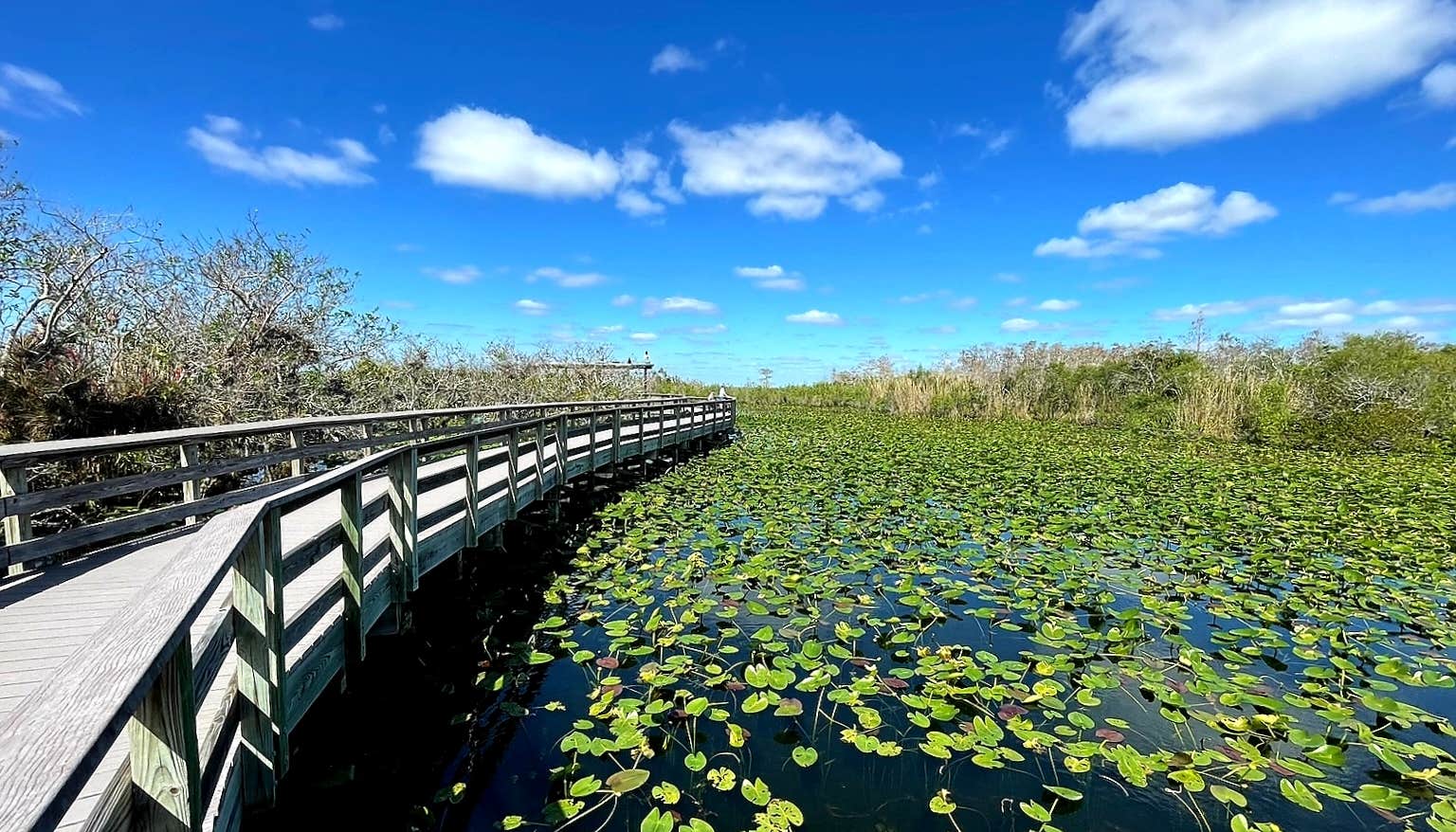
 Photo by Katrin M.
Everglades National Park Complete Camping Guide
Everglades National Park encompasses 1.5 million acres of subtropical wilderness at the southern tip of Florida, offering camping experiences in and around Everglades from lush pine forests to mangrove-fringed coastlines. With only two developed campgrounds and dozens of remote backcountry sites, camping here ranges from convenient frontcountry car camping to truly off-grid adventures accessible only by boat. Wildlife is ever-present - you may spot manatees, alligators, dolphins, or roseate spoonbills near camp - making every overnight memorable. This guide covers everything you need to know about planning, booking, and enjoying an Everglades camping trip, with practical advice from campers who've been there.
Everglades National Park Camping at a Glance
All frontcountry campsites in Everglades (Flamingo and Long Pine Key) are managed by a park concessionaire and can be reserved online in advance or obtained first-come if space is available. For wilderness backcountry camping, an advance permit via Recreation.gov is required for all sites, with the booking window opening 90 days in advance daily at 10:00 AM Eastern Time. No walk-up wilderness permits are available since 2023 - even same-day campers must use the online system (rangers can assist on-site if needed). Peak winter season (December-April) sees the campgrounds fill on weekends, while the summer wet season brings fewer visitors but more mosquitoes. In 2025, the popular Bayside Tent Campground loop at Flamingo is closed for restoration, but all other sites remain open. Park road access is generally reliable year-round, though occasional high water or storm events can temporarily close some backcountry areas - always check current conditions before your trip.
Sites range from $20 to $40 per night in the frontcountry (Long Pine Key sites around $25; Flamingo sites $30-$40 depending on amenities). A separate wilderness permit fee of approximately $21 (plus $2 per person per night) applies for backcountry camping. Flamingo Campground operates year-round and offers a mix of tent sites in Everglades and RV camping options near Everglades (including a limited number with electric hookups), plus eco-tents and group sites. Long Pine Key Campground is open seasonally November through May during the dry season and has only dry (no-hookup) sites. Summer weather brings intense heat (90°F days, 80°F nights), humidity, and daily thunderstorms - plan to camp in winter or shoulder seasons for the best experience. The park also offers numerous wilderness campsites including chickees - on ground, beach, or elevated platforms - for those seeking multi-day paddling or hiking expeditions away from any infrastructure.
Everglades National Park Campground Quick Facts
| Quick Facts | Details |
|---|---|
| Number of Campgrounds | 2 developed campgrounds (Flamingo & Long Pine Key) 40+ wilderness camping sites (chickees, beaches, ground) |
| Total Campsites | ~350 frontcountry sites (234 Flamingo, 108 Long Pine Key) Wilderness campsites accommodate small groups (permit required) |
| Campsite Costs | $20-$40 per night frontcountry sites (tent/RV) Wilderness permit ~$21 + $2/person/night |
| Reservation Platforms | Flamingo Adventures (frontcountry campgrounds) Recreation.gov (wilderness backcountry permits) |
| Camping Seasons | Flamingo open year-round Long Pine Key open Nov-May (dry season) Wilderness camping year-round (weather dependent) |
| Temperature Ranges | Dry season winter: 70s°F days, 50s°F nights (low humidity) Wet season summer: 88-95°F days, 75-80°F nights (very high humidity) |
| 2025 Updates | Bayside tent loop at Flamingo closed for repairs All wilderness camps now reservation-only (no walk-up permits) |
Everglades Campgrounds: Complete Guide
Frontcountry Campgrounds (Drive-In)
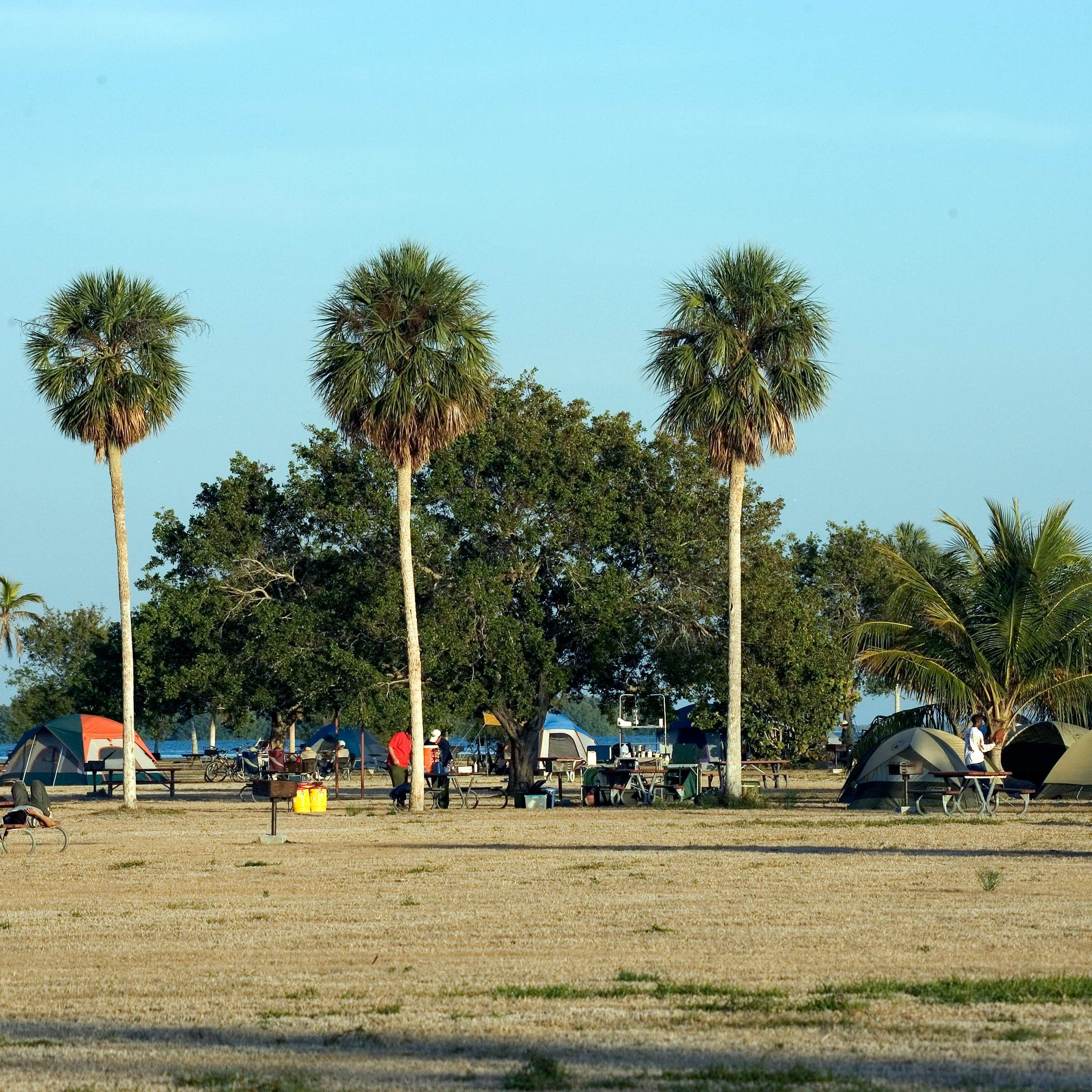
Flamingo Campground — Everglades National Park
Flamingo Campground sits near sea level at the park's southern tip on Florida Bay, offering 234 campsites in an open coastal prairie. Sites are divided into loops for tents and RVs, including a handful with electric hookups. Amenities include solar-heated showers, potable water, flush toilets, and a nearby marina store and cafe. Breezes off the bay help with summer heat (and bugs) but expect significant mosquitoes in warmer months. It's the best campground for accessing boat tours, paddling trails, and Florida Bay sunsets - but its exposed terrain means limited shade or privacy between sites.
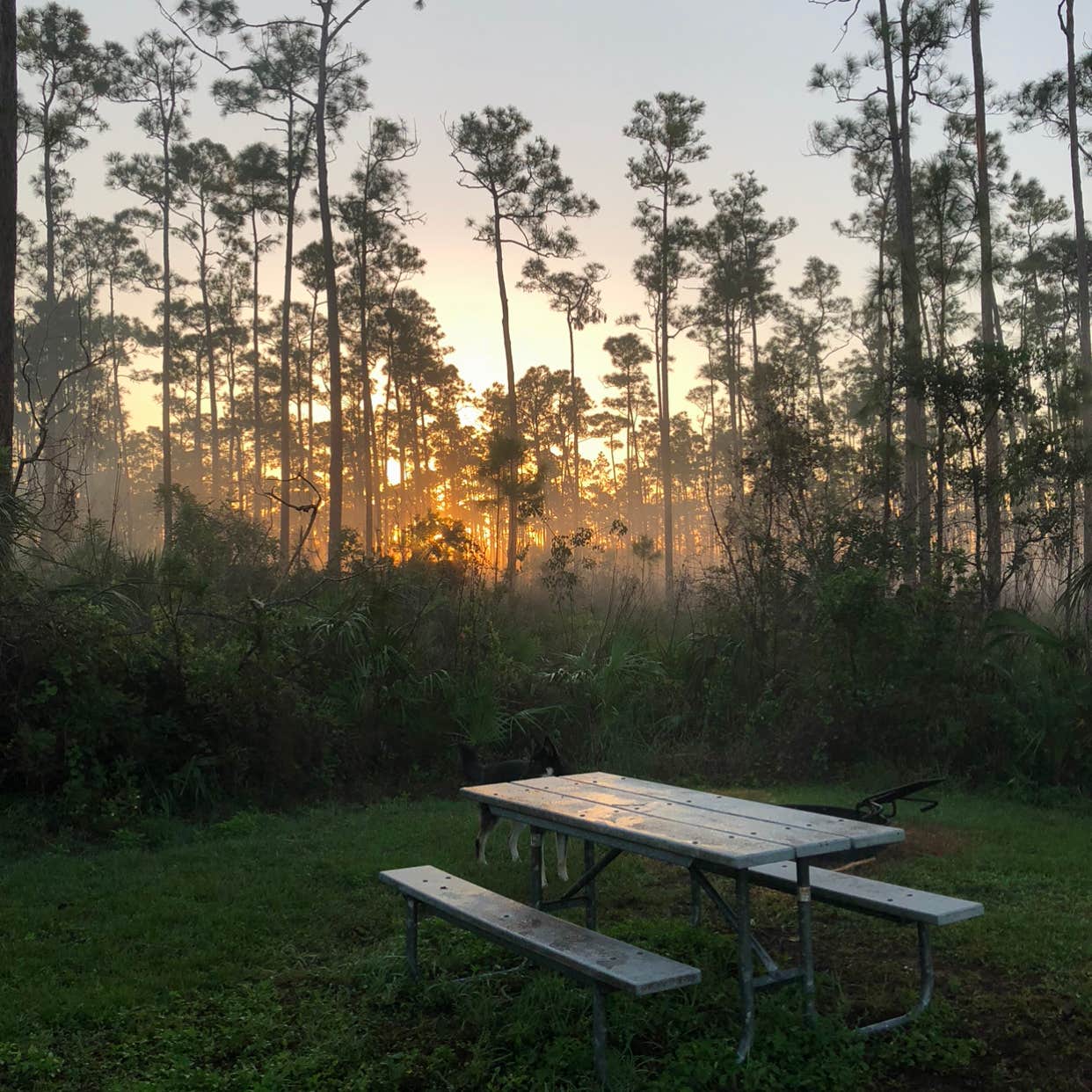
Long Pine Key Campground — Everglades National Park
Long Pine Key Campground lies 7 miles from the Homestead park entrance amid a forest of tall slash pines and palmettos. This dry campground (no electricity or showers) has 108 sites for tents and RVs (up to ~45 feet) arranged around a series of loops adjacent to Long Pine Lake. Each site has a picnic table and fire ring, with restrooms and water spigots centrally located. Open November through May (closed in wet season), Long Pine Key is quieter and more shaded than Flamingo, making it popular for tent campers and those looking to hike nearby trails like Anhinga Trail. Reservations are accepted, and some first-come sites may be available if not booked.
Backcountry Camping (Wilderness Sites)
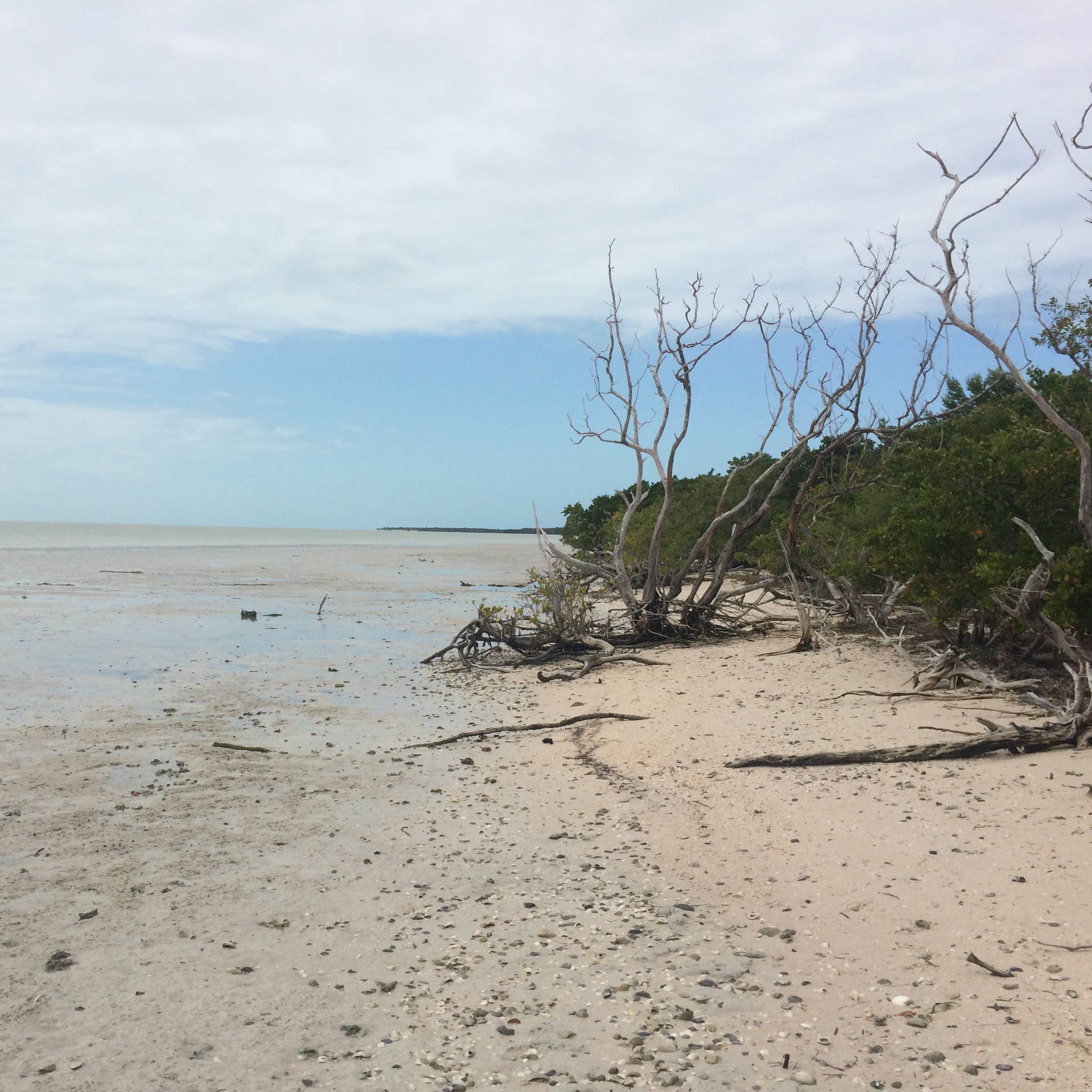
Backcountry Clubhouse Beach — Everglades National Park
Clubhouse Beach is a remote coastal camping zone on the Gulf of Mexico, about 7 miles west of Flamingo (accessible via a rugged 9-mile one-way hike on the Coastal Prairie Trail or by boat). This wilderness campsite offers a sandy beach backed by mangroves where up to 6 people can camp with ocean views. There are no facilities - campers must pack in all water and pack out all waste. Sunsets and stargazing here are spectacular, and dolphins are often seen just offshore. Be prepared for mosquitoes year-round and watch tides if arriving by kayak. A wilderness permit (via Recreation.gov) is required for overnight use.
Backcountry South Joe River Chickee — Everglades National Park
South Joe River Chickee is one of Everglades' many elevated backcountry platforms, located in a calm mangrove channel about 11 miles southwest of Everglades City (accessible only by canoe, kayak, or motorboat). This chickee consists of two wooden camping platforms with a roof and an open 360-degree view of surrounding wetlands. Each platform accommodates up to 2 tents (6-8 people total across the chickee) and has an on-platform portable toilet. No fresh water or other amenities are provided. Campers tie their boats to the platform's side. Expect brilliant stars on clear nights and potential visits from fish, dolphins, or crocodiles below. A wilderness permit is required to camp here.
Campgrounds Near Everglades National Park
Several campgrounds outside the park provide additional options with amenities. Big Cypress National Preserve tent camping and dispersed camping in Big Cypress offer nearby alternatives with different settings.
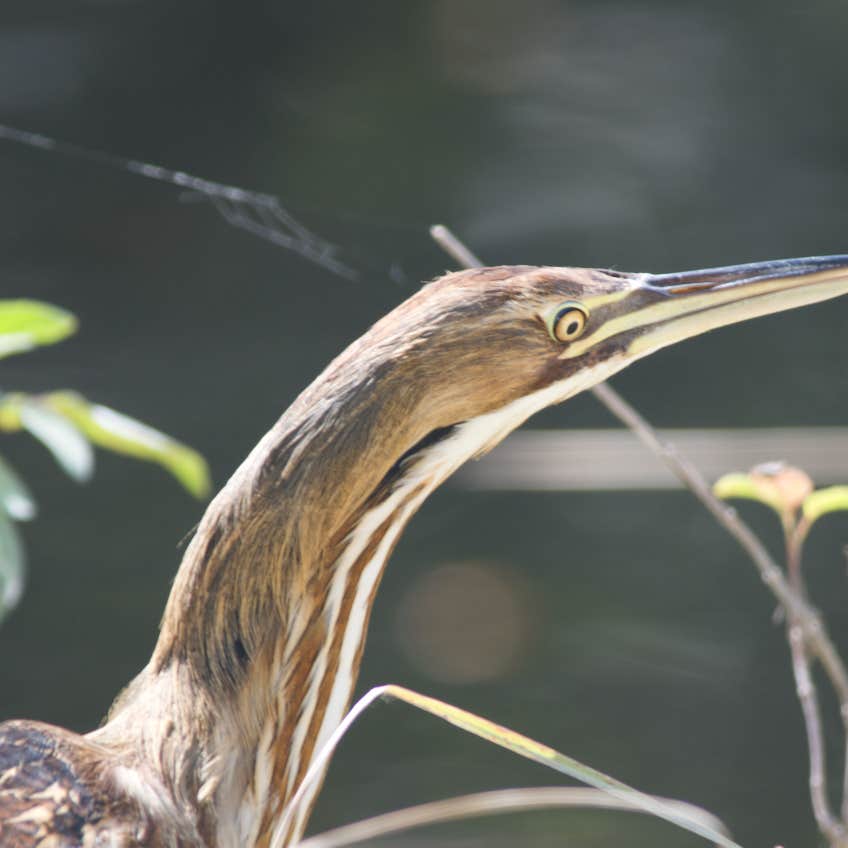
Midway Campground — Big Cypress National Preserve
Midway Campground in Big Cypress National Preserve (about 35 miles west of Everglades' main entrance) offers 26 sites around a small pond, providing a convenient base for exploring both Big Cypress and the Everglades. Sites can accommodate tents or RVs and include picnic tables and fire rings. This NPS campground has electric hookups at each site, plus drinking water, flush restrooms, and a dump station (no showers). Open year-round, Midway is first-come in summer and reservable in winter. Campers appreciate its central location (just off US-41), wildlife viewing (alligators often in the pond), and the peaceful dark skies for stargazing, with far fewer mosquitoes than coastal Everglades sites.
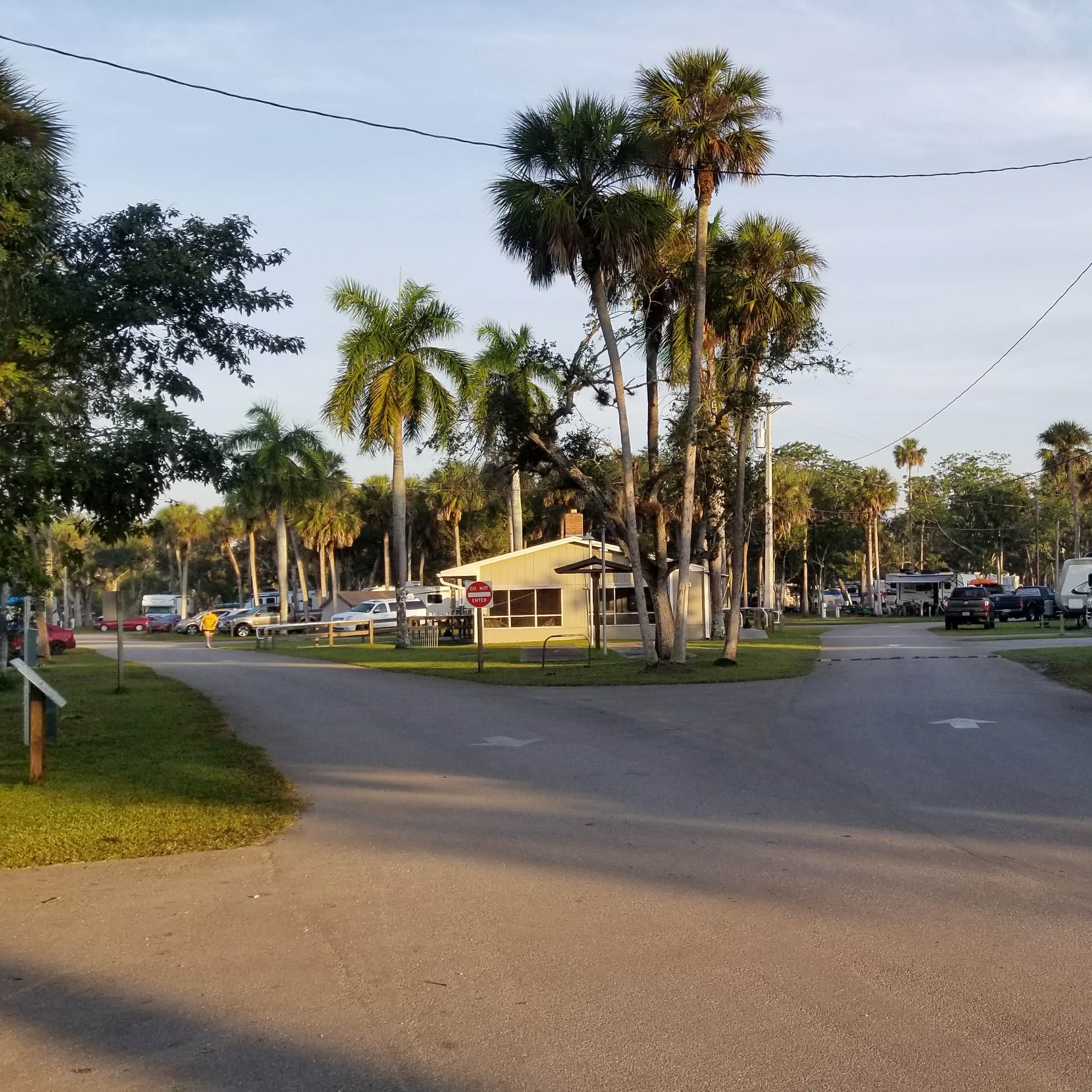
Collier–Seminole State Park Campground
Collier-Seminole State Park Campground sits about 20 miles northwest of Everglades National Park (near Naples), offering 120 campsites amid a subtropical forest along the Blackwater River. Sites accommodate tents and RVs (some with electric/water hookups) and provide picnic tables and grills, with restrooms, hot showers, and a dump station on-site. Canoe and kayak rentals are available to explore the river and mangrove estuaries directly from the park. This campground is open year-round and is reservable via Florida's state park system. It's a great nearby alternative for those seeking more amenities (like showers) or as a backup when Everglades campgrounds are full, while still offering a similar swampy landscape and birdwatching opportunities.
Campground Comparison Table
| Campground | Location & Sites | Cost & Reservations |
|---|---|---|
| Flamingo | Southern coast (Florida Bay) 234 sites (tent & RV loops) | $30-40/night (sites w/ or w/o electric) Reserve via Flamingo Adventures |
| Long Pine Key | Main Park Road (near Homestead) 108 sites (mixed tent/RV) | $25/night Reserve via Flamingo Adventures (Nov-May) |
| South Joe River Chickee | Wilderness waterway (mangroves) 2 platforms (up to 8 people) | $21 permit + fees Recreation.gov (90 days advance) |
| Clubhouse Beach | Coastal wilderness (Gulf shore) Primitive beach zone | $21 permit + fees Recreation.gov (90 days advance) |
| Midway (Big Cypress) | Off US-41 (Ochopee, FL) 26 sites (with electric) | $24-30/night Recreation.gov (winter); FCFS summer |
Campground Amenities and Best Uses
Frontcountry Campgrounds: Flamingo Campground offers the most facilities (showers, a marina store, some electric hookups) and proximity to boat tours and bay fishing - great for RVers, anglers, and those looking to explore Florida Bay. However, its open layout can be buggy and hot in summer. Long Pine Key, by contrast, offers cooler temperatures under pine trees and a quieter atmosphere with easy access to inland trails. It's ideal for tent campers, hikers, and anyone seeking a more peaceful night under the stars (with far fewer mosquitoes in winter). Neither frontcountry site provides much privacy between campsites, but Long Pine Key generally feels more tranquil while Flamingo has unique waterfront scenery and ranger programs.
Wilderness Camping: The Everglades backcountry campsites including chickees and beach sites provide unparalleled solitude and immersion in nature for paddlers and hikers. Chickee platforms like South Joe River Chickee or Hell's Bay Chickee are essentially floating tent sites - best for experienced canoe/kayak campers who are self-sufficient and comfortable on the water. Coastal ground sites (e.g. Northwest Cape beaches or Clubhouse Beach) offer rare beachfront camping with incredible sunsets and birding, but require tide planning and come with no amenities (and often intense bugs). Wilderness camping is ideal for adventurers seeking multi-day paddle trips through mangrove tunnels or along the 99-mile Wilderness Waterway. Always carry navigation tools, insect protection, and plenty of water - and be prepared for complete solitude (or an occasional curious alligator).
Nearby Options: Just outside the park, campgrounds in Big Cypress and state parks provide additional options. These nearby sites typically offer amenities like hookups or showers not found in the national park, making them great for families or RV travelers who want comfort while still being within an hour's drive of Everglades attractions. They also serve as backups when park campgrounds are full. Midway Campground's electrical hookups and lower mosquito counts make it a popular alternative in summer, and its location allows easy day trips to Everglades' Shark Valley or Ten Thousand Islands areas. For those seeking cabin rentals near Everglades or glamping options, several private options exist outside the park boundaries.
 Photo by Kevin A
Planning Your Everglades Camping Trip 
When to Visit Everglades
| Season | Temperatures | Camping Conditions |
|---|---|---|
| Spring (March-May) | 80-85°F days, 60-70°F nights Moderate humidity | Dry season ending; pleasant temps Most sites open; bugs increasing by May |
| Summer (June-August) | 88-95°F days, 75-80°F nights High humidity; heavy rain | Wet season peak; daily storms Low crowds; intense mosquitoes |
| Fall (September-November) | 85-90°F early fall, cooling to 70s°F by Nov Nights 70°F down to 60°F | Storms taper off by Oct Lower visitation; dry season starts Nov |
| Winter (December-February) | 70-78°F days, 50-60°F nights Low humidity | Prime season: mild and dry Campgrounds busiest; minimal bugs |
Spring (March-May):
Late spring in Everglades marks the transition from the pleasant, dry winter into the hot, wet season. March and April offer warm days in the 80s°F with tolerable humidity - excellent for camping before the bugs peak. By May, humidity and temperatures rise (often mid-80s°F) and the first thunderstorms and swarms of mosquitoes appear, especially in inland marsh areas. Campgrounds remain fully open, and spring wildlife is abundant (wading birds congregate in shrinking waterholes). Spring break crowds can fill sites in March, but overall visitation is moderate. It's a good time for canoe trips (water levels still high enough) and for seeing baby wildlife (gator hatchlings, bird chicks) before the rains come.
Summer (June-August):
The summer wet season is by far the most challenging time to camp in Everglades. Heat indexes routinely exceed 100°F during the day, with nights only dipping into the upper 70s°F - and humidity near 90-100%. Torrential afternoon thunderstorms are a near-daily occurrence (especially in July and August), often flooding trails and primitive camps. Mosquitoes and biting flies are at their worst; even short walks can be uncomfortable without headnets and repellent. On the plus side, campgrounds are nearly empty (Flamingo and Long Pine Key have very few campers in summer), and the landscape is lush and green. If you brave summer camping, plan for a bug defense strategy, set up camp before afternoon storms, and consider coastal sites where sea breezes offer slight relief. Always have a backup plan to retreat to AC (or adjust to lodging) if conditions become intolerable.
Fall (September-November):
Early fall remains hot and wet through September - it's still hurricane season, and temporary campground closures can occur if a storm threatens. By October, rainfall decreases and temperatures begin to fall into the 80°F range in the day, with more comfortable evenings in the 60s-70s°F. Mosquito populations start to drop off noticeably by late October as water levels recede. This shoulder season can be a rewarding time to camp: October in particular offers fewer crowds, improving weather, and revived wildlife activity (animals spreading out as water dries up). By November, the dry season is underway - expect sunny skies, low humidity and daily highs around 80°F. Both campgrounds open for the winter by early November, and ranger programs resume. Fall campers should still come prepared for some insects (especially right after any late-season rain) and warm weather gear, but overall conditions steadily improve each week after mid-September.
Winter (December-February):
Winter is the peak camping season in Everglades for good reason - it brings the most pleasant weather. Daytime highs range from 70-78°F with comfortable humidity, and nights can dip into the mid-50s°F (occasionally cooler after a cold front). Virtually no mosquitoes or no-see-ums bother campers during the heart of the dry season (except perhaps in isolated mangrove areas on warmer evenings). All campgrounds and backcountry sites are accessible (water levels are at their lowest, making hiking trails dry and chickee platforms easy to reach by canoe). Wildlife viewing is spectacular in winter: birds flock to drying waterholes, manatees gather in warm bays, and visibility through the hammocks is at its best. The only downside is popularity - both Flamingo and Long Pine Key campgrounds often fill during weekends, holidays, and all of February. Make reservations well ahead, or aim for weekdays if possible. With clear skies and mild temps, winter is also ideal for night sky watching from your campsite. Always pack at least one warm layer for the occasional chilly night, but expect generally ideal camping conditions throughout the winter months.
Everglades Reservation Systems Explained
Securing a campsite in Everglades requires navigating two systems: one for the frontcountry campgrounds and one for wilderness permits. All Flamingo and Long Pine Key campground reservations are handled by Flamingo Adventures (the park's concessionaire). You can book online via their website or by phone, and there is no set "release date" - reservations can typically be made up to a year in advance (especially recommended for popular periods like winter holidays). Both campgrounds also set aside some sites for first-come, first-served campers, but in winter these may fill by early afternoon. If you arrive without a reservation in peak season, have a backup plan or check at the entrance station for real-time availability.
For wilderness backcountry camping, Everglades shifted to a full online permitting system in 2023. All wilderness campsites (including chickees, beaches, and ground sites) must be reserved through Recreation.gov. Reservations become available on a rolling 90-day basis - each day at 10 AM Eastern, new dates open up three months out. Popular wilderness zones (like chickees along Hell's Bay or Wilderness Waterway routes) can be claimed quickly during prime winter weeks, so plan to be online when the window opens. If you prefer not to use the internet, you can call Recreation.gov by phone, or have a ranger assist you in person at a visitor center to book any open sites for that day or next. No walk-up permits are issued without using the system - even if you stroll into Flamingo Visitor Center, the ranger will essentially be checking the same online inventory for you. One advantage of the new system is you no longer need to physically pick up a paper permit; your emailed confirmation serves as your permit (print or save it on your phone to carry on your trip).
Key tips: Create your Recreation.gov account in advance, know your desired route and alternate camps, and have a credit card ready to pay the permit fee. For frontcountry sites, use the Flamingo Adventures online portal to book well ahead for winter. If the park campgrounds are full, remember that nearby private and state campgrounds (e.g. in Homestead or Big Cypress) can often be reserved as last-minute backups. For camping near Everglades City, several options exist including dispersed camping near Everglades City for more adventurous campers.
Campground Costs and Budgeting
| Campground Type | Nightly Cost | Key Features |
|---|---|---|
| Frontcountry (Everglades) | $25 (tent) - $40 (RV hookup) | Per site, per night. Includes up to 8 people. Run by concessionaire (Flamingo) |
| Wilderness Backcountry | $15 base + $6 booking + $2 per person | One-time permit fee + per-person nightly fee. Valid for entire trip itinerary. Covers any number of nights & sites on permit. |
| Nearby Campgrounds | $20-$35 (public) $40+ (private) | State park & Big Cypress sites on lower end. Private RV resorts can cost more but have full hookups. Many offer showers and electric. |
Additional Fees and Budget Tips
In addition to camping fees, remember the park entrance fee: Everglades charges $30 per vehicle for a 7-day pass (or use an $80 America the Beautiful annual pass). This is collected at the entrance station or online. If you're camping multiple nights, that one-time entry covers your whole stay. For backcountry trips, the wilderness permit fee (roughly $21 plus per-night fees) is paid on Recreation.gov when booking - there is no additional charge in person. Budget-conscious campers should note that Long Pine Key has no hookups (so no extra costs for electricity), and at Flamingo the few electric sites cost more (~$10 extra) but can be worth it in summer for running AC or fans. If you don't need power, opt for a standard site to save money.
Firewood and Supplies: You cannot collect firewood inside the park, so plan to purchase it. Firewood is sold at the Flamingo store and in nearby towns (Homestead, Everglades City). Expect to pay ~$8-10 per bundle. Ice is available at Flamingo's marina store and some outside camp stores (handy for keeping your cooler cold in the heat). Bringing a large cooler and buying block ice (lasts longer than cubes) can reduce trips for resupply.
Tours and Rentals: Factor in costs if you plan on renting a canoe (~$20-30 per day at Flamingo or Everglades City) or taking an Everglades boat tour ($40-60 per person for park-operated tours). Many campers consider an airboat tour or guided kayak trip a must-do - budget for these excursions if they're on your list. Fishing licenses (required for anglers) cost $17 for a 3-day Florida non-resident freshwater license, and a separate saltwater license is needed if fishing in the bay or ocean - or consider a combined license or visitor fishing pass.
Budget Tips: Visit in the off-season (summer) for deeply discounted hotel rates in South Florida - but be prepared for rough camping weather. A better approach is to camp just outside the park; for example, Big Cypress national preserve campgrounds have slightly lower fees and no separate permit costs. If you have an America the Beautiful pass (or a Senior Pass), the park entry fee is covered or discounted. Finally, bring everything you need to Flamingo - the on-site store is convenient but has higher prices on food, bug spray, and fuel due to its remote location. Stock up in Homestead or Miami to save money on groceries and supplies.
Essential Gear for Everglades Camping
Everglades camping requires preparing for a unique mix of elements - intense sun, abundant insects, and water everywhere. Key gear considerations include bug protection, rain readiness, and proper storage for food (to keep out clever critters).
Shelter and Sleeping:
- Tent with full no-see-um mesh: Choose a tent with fine mesh netting on doors and windows to keep out tiny bugs, plus a sturdy rainfly for sudden downpours.
- High-quality tent fan or ventilation: Battery-operated fans or ample tent vents help in muggy nights. Ventilation is crucial to stay cool.
- Sleeping bag or sheet for ~50°F: Winter nights can dip into the 50s, so a lightweight 40-50°F rated sleeping bag (or just a sheet/liner in summer) works well. In summer, a breathable sleep sheet and a bug net (if sleeping under the stars) may suffice.
- Sleeping pad or cot: The ground can be damp; a pad keeps you insulated and comfy. In frontcountry sites, some opt for cots to improve airflow underneath in the heat.
- Tarp or shade canopy: Provide rain cover over your picnic table or an extra tarp under your tent. Afternoon storms are common - having a dry shelter to cook or relax under is a game-changer.
Kitchen and Food Storage:
- Cooler with secure latches: Raccoons are notorious at Everglades campgrounds. Use a cooler that locks or strap it shut at night. Even without bears, store all food in your vehicle or a hard-sided cooler to avoid midnight raids by raccoons, rodents, or bold crows/vultures.
- Camp stove and fuel: Fires might not always be practical (wood can be damp in wet season). A propane or white gas stove ensures you can boil water or cook in any weather. Bring ample fuel since camp stores have limited hours.
- Bug-proof food storage: Pack zip-top bags or plastic bins for all food to contain smells. Tiny sugar ants and other insects will find any crumbs - sealed containers help keep them out of your snacks.
- Water jugs or filter: Both campgrounds have potable water spigots. If heading into the backcountry, bring a water filtration system (and know that tannin-stained water may still taste funky even when filtered). Carry at least 1-2 gallons per person per day in hot weather.
- Biodegradable soap and washtub: Wash dishes at your site using Leave No Trace methods (strain food bits and scatter wastewater well away from camps and waterways). Frontcountry camps don't have dish sinks, so a washbasin is useful.
Clothing and Sun Protection:
- Lightweight long-sleeve shirts and pants: The best defense against mosquitoes and sun is covering your skin. Pack breathable, quick-dry long sleeves and long pants. In summer, bug-repellent treated clothing or mesh bug jackets can be very helpful in the evenings.
- Rain gear: A waterproof rain jacket (or poncho) is essential year-round (downpours can happen even in winter, and daily in summer). Also consider quick-dry footwear or sandals for rain - sneakers can get soaked.
- Sturdy closed-toe shoes: Trails like Anhinga or Gumbo Limbo are easy boardwalks, but if you venture on any rougher trails or muddy ground, you'll want hiking shoes that can get wet. Closed-toe water shoes or old sneakers are great for canoe launches and muddy camps.
- Sun hat and sunglasses: The subtropical sun is strong, even in winter. A broad-brimmed hat and UV-blocking sunglasses will protect you during midday hikes or canoe trips (where there's no shade on open water).
- Warm layer for winter: If visiting December-February, bring a fleece or light jacket plus a beanie for around camp at night. It's rare to need heavy coats, but a sudden 50°F evening with wind can feel chilly after a sunny day.
Insect Protection and First Aid:
- Mosquito repellent: Pack a large bottle of 25-30% DEET repellent (or Picaridin as an alternative) and apply liberally, especially at dawn and dusk. Insect head nets are highly recommended in summer - they weigh almost nothing and can save your sanity during a buggy sunset.
- Thermacell or coils: Consider a Thermacell device or mosquito coils for your picnic table area; many campers swear by these to create a bug-free zone in camp. Just be cautious with open flames.
- First aid kit: Include basics like adhesive bandages, antiseptic, tweezers (for splinters or removing a tick), and moleskin for blisters. Add sting relief wipes in case of fire ant bites or mosquito itch, and an allergic reaction medication (Benadryl) if you're sensitive to bites.
- Personal medications: Bring all prescription meds and extras of any allergy medications. Those allergic to insect bites or bee stings should carry an EpiPen. A small tube of hydrocortisone cream can be a relief for itchy bites.
- Sunscreen (SPF 30+): Even in winter, UV index is high. Apply on all exposed skin daily. Also pack lip balm with SPF - the sun and salt can cause chapped lips quickly on the water.
Navigation and Communication:
- Physical maps or charts: Cell service is spotty to non-existent beyond the park entrances. Carry a paper map of Everglades trails and waterways (the park visitor centers have free ones). If paddling, topographic maps or nautical charts for your route are critical.
- Offline maps/GPS: Download maps to your phone (Google Maps offline or a navigation app) before arriving. There are few road signs in the backcountry - having a GPS app or device with Everglades data helps prevent getting lost, especially when maneuvering through mangrove mazes.
- Compass and whistle: Basic tools in case technology fails. In a wilderness of grass and water, a compass can keep you oriented if trails are flooded. A whistle is useful for signaling in dense mangroves or if wildlife (like a wandering gator) needs to be scared off.
- Portable charger: With no outlets at campsites, a charged power bank can keep your phone, camera, or headlamp topped up during multi-day stays. Solar chargers can work too, but remember the sun can be obscured by storms.
- Emergency contact method: If you have a satellite messenger or PLB (Personal Locator Beacon), bring it for remote trips. At minimum, let someone know your itinerary. Rangers do patrol, but self-reliance is key in Everglades' vast wilderness.
Bringing the right gear will ensure you stay safe, comfortable, and bug-resistant during your Everglades camping adventure. A well-prepared camper - armed with insect netting, rain protection, sun coverage, and good maps - can fully enjoy the park's unique beauty while minimizing discomforts.
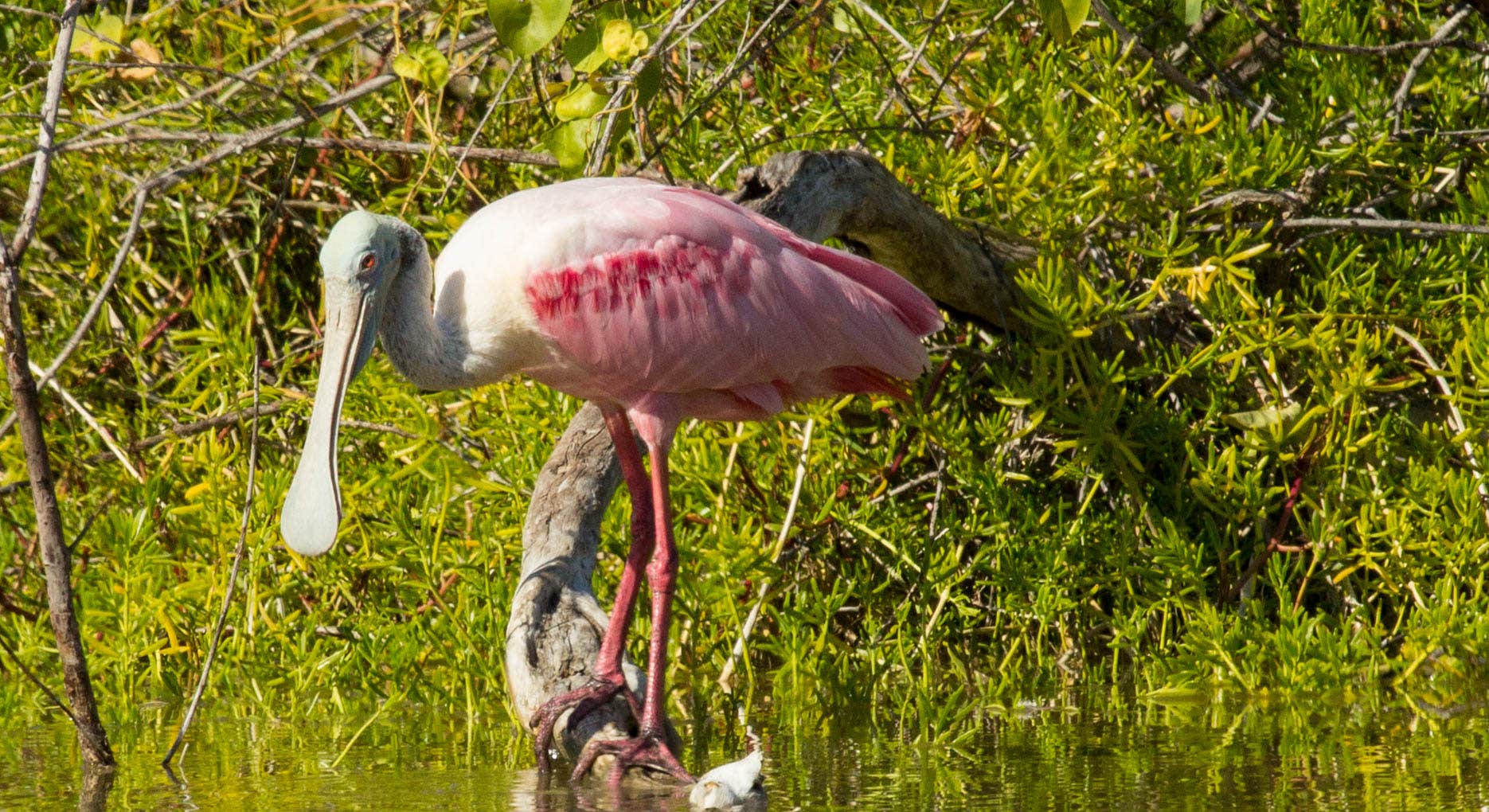 Photo by Barbi M
Wildlife Safety and Park Regulations 
Alligator and Wildlife Safety in Everglades
Everglades National Park is home to alligators, crocodiles, snakes, panthers, raccoons, and countless birds - none of which should be feared, but all of which deserve respect around your campsite. To stay safe, maintain a minimum distance of 15-20 feet from alligators and crocodiles. Never approach, feed, or try to entice these reptiles; they typically will not bother campers if left alone. Alligators occasionally wander into campground ponds or waterways near sites (especially at Flamingo), so don't swim or let pets near the water's edge where gators live. If you see an alligator on a trail or road, give it space and wait for it to move along.
When paddling or hiking in remote areas, stay alert. Most wildlife will avoid you - panthers and black bears (very rare in the Everglades) are extremely elusive. In the unlikely event you encounter a Florida panther or bear, do not run. Make noise, appear large, and slowly back away - but again, seeing these mammals is highly uncommon. Smaller critters are more likely to affect campers: raccoons are notorious thieves; secure all food (they can open coolers and unzip tents if they smell snacks). Vultures at trailheads have been known to peck at unattended vehicles (they're attracted to rubber), so covering your car with a tarp at Flamingo's marina lot is advised if parking long term.
Also, be cautious about insects and arachnids: fire ants nest in grassy areas (don't pitch tents on obvious ant mounds), and some spiders or scorpions may hide in restrooms or gear. Shake out your shoes and clothing before putting them on. Use red lighting on your headlamp at night to avoid attracting swarms of bugs. If you're properly prepared with repellent and aware of your surroundings, wildlife encounters will be a highlight of your trip rather than a hazard.
Everglades Park Regulations and Etiquette
| Regulation Category | Specific Rules | Penalties |
|---|---|---|
| Food Storage | All food, trash, toiletries must be in vehicle or hard containers No food in tents Clean tables and grills after use | Warnings and possible eviction Citations for wildlife feeding |
| Quiet Hours | 10:00 PM to 6:00 AM Generator hours: daylight only (typically early morning and late afternoon at Flamingo) | Warnings and possible eviction |
| Campfires | Permitted only in designated fire rings Must be attended at all times Completely extinguish before leaving | Citations and fines Possible campground eviction |
Additional Everglades NP Regulations
Camping Limits: Maximum 14 consecutive days at Flamingo or Long Pine Key and no more than 30 days in a calendar year in the park campgrounds. Group size is limited to 8 people per individual site (larger group camps are available by reservation). Wilderness permits limit group sizes for backcountry sites (typically 6-10 people max, depending on site).
Pets: Pets are not allowed on trails or in the wilderness and must be leashed at all times in campgrounds. Frankly, the Everglades is not a very pet-friendly park due to the presence of gators and heat - if you do bring a dog to the campground, never leave them unattended and keep them well away from the water and mangroves. Always clean up pet waste.
Leave No Trace: In this fragile ecosystem, it's vital to pack out everything you pack in. Do not leave behind food scraps (even biodegradable ones) as they can attract non-native pests or habituate wildlife. Fishing? Dispose of fish guts properly (preferably at fish cleaning stations or by deep water dispersal away from shore - never at your campsite or in shallow waters). Avoid trampling vegetation; use established paths or water routes.
Fishing and Hunting: Fishing is allowed in Everglades with a Florida fishing license (freshwater or saltwater as applicable). Spearfishing and collecting tropical fish/aquatic animals are prohibited. Hunting is not permitted anywhere in Everglades National Park (though it is allowed in adjacent Big Cypress with license). Firearms are allowed per state law, but discharging one in the park or carrying into federal facilities is illegal.
Wildlife Viewing Etiquette: Use binoculars or zoom lenses rather than approaching animals. Harassing or disturbing wildlife (including shining flashlights on alligators at night or using recorded bird calls to lure birds) is against park rules. It not only stresses the animals but can incur fines. If you're paddling near manatees or dolphins, maintain idle speed and avoid sudden movements - collisions harm both you and the animal.
Trash and Waste: Pack out all trash. Do not throw anything overboard if on a boat. Use provided dumpsters at campgrounds and launch ramps. For human waste in the backcountry, use the porta-toilets on chickees. Elsewhere, bury waste 6-8 inches deep at least 100 feet from water (or better, use a portable toilet system for zero impact). Do not dump graywater or food scraps at campsites - strain and scatter dishwater away from camp, or pack it out in a sealed container if possible.
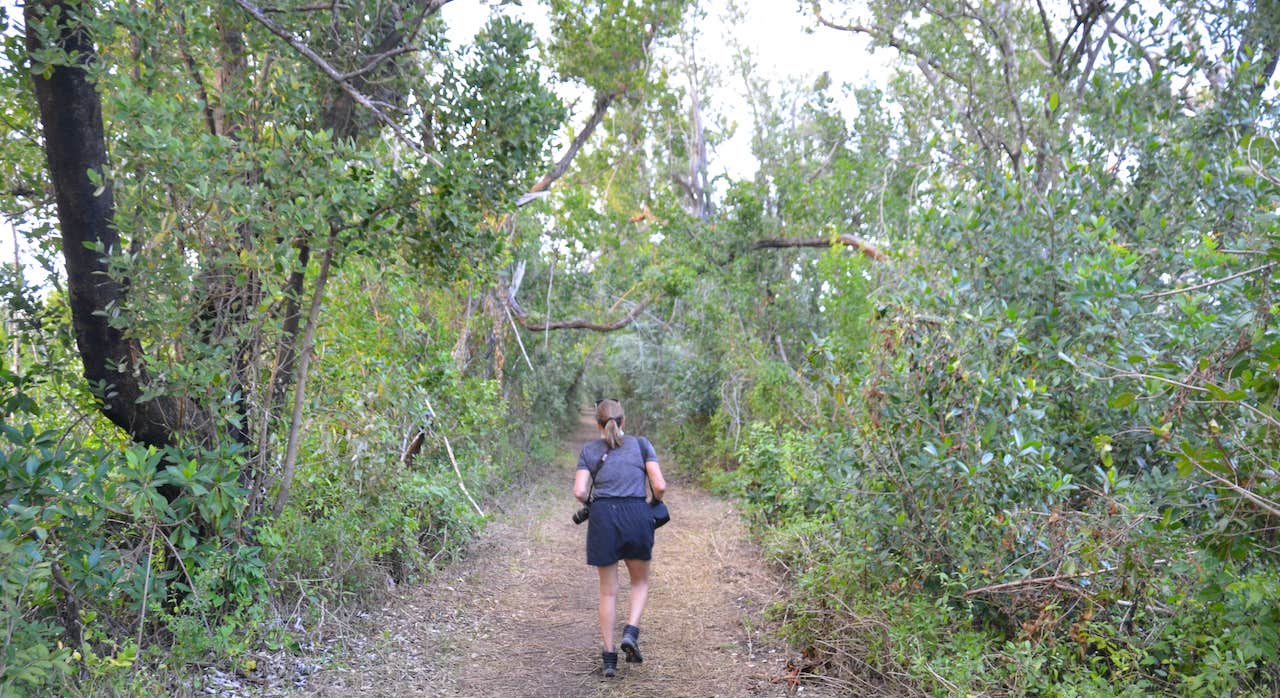 Photo by Kevin A
Beyond the Campground: Activities and Exploration 
Day Trips from Everglades Campgrounds
From Flamingo Campground: Staying at Flamingo puts you at the doorstep of Everglades' Florida Bay and coastal ecosystems. A popular day trip is the Flamingo Boat Tour, a guided excursion up the Buttonwood Canal and into Coot Bay/Whitewater Bay - a great way to see manatees, crocs, and bird life without exertion (departs walking distance from the campground). For DIY exploration, rent a canoe or kayak from the marina and paddle the Florida Bay shoreline toward nearby keys; even a short paddle might reveal dolphins feeding or roseate spoonbills in the shallows. On land, the Coastal Prairie Trail begins right at Flamingo and leads 9 miles (one-way) to Clubhouse Beach. Hike a few miles out and back for a taste of the coastal prairie habitat (start early to avoid midday heat). Another must-do is simply enjoying sunset at Flamingo's amphitheater or marina - watch for the green flash over the bay on clear evenings, then stick around for the excellent ranger-led programs offered most winter nights at the campground amphitheater.
From Long Pine Key Campground (Homestead area): Long Pine Key is centrally located near the park's Homestead entrance, making it convenient for exploring the Royal Palm area. A short 5-minute drive brings you to the famous Anhinga Trail, a 0.8-mile boardwalk loop where you can easily spot alligators, turtles, and anhingas drying their wings - especially active in mornings and late afternoons. Pair it with the Gumbo Limbo Trail (0.4 miles through a shaded hammock forest) next door. For a longer outing, drive ~30 minutes to the Pa-hay-okee Overlook, an elevated boardwalk that provides a panoramic view of the "river of grass" - it's magical at sunrise or sunset. Another nice half-day trip from Long Pine Key is to Everglades City and Gulf Coast Visitor Center (about 1 hour's drive around to the northwest side of the park) to take a mangrove wilderness boat tour or rent a kayak for the Ten Thousand Islands. Closer to camp, don't overlook the network of Long Pine Key Trails accessible right from the campground road - mountain bikers and hikers can enjoy several miles of pineland trails such as the Long Pine Key Nature Trail and connecting fire roads that wind through open pine savanna dotted with solution holes.
Top Hiking Trails Near Everglades NP Campgrounds
| Trail Name | Difficulty & Distance | Key Features |
|---|---|---|
| Anhinga Trail | Easy 0.8 miles (loop) | Boardwalk over marsh Abundant wildlife (gators, birds) |
| Coastal Prairie Trail | Moderate 9 miles one-way | Flat limestone trail from Flamingo Leads to Clubhouse Beach campsite |
| Gumbo Limbo Trail | Easy 0.4 miles (loop) | Shaded jungle-like hammock Huge gumbo limbo trees |
| Pa-hay-okee Overlook | Easy 0.2 miles (loop) | Short boardwalk to vista Panoramic sawgrass prairie view |
| Hell's Bay Canoe Trail | Moderate 3.5 miles (one-way) | Paddling trail (canoe/kayak) Marked route through mangroves to Hell's Bay Chickee |
Trail Access and Starting Points
From Flamingo Area: Anhinga Trail and Gumbo Limbo Trail are actually closer to Long Pine Key (Royal Palm area), but Flamingo has its own gems. The Coastal Prairie Trail starts at the far end of Loop C in Flamingo Campground - no driving needed, just walk from your site. This trail is long and exposed; many Flamingo campers choose to hike a shorter section in the cooler morning hours, then turn back (make sure to carry water and insect protection). For paddlers, the Hell's Bay Canoe Trail begins at the Hell's Bay kayak launch, about 5 miles up the Main Park Road from Flamingo. It's a famous half-day paddle (about 3-4 hours) through mangrove tunnels, marked by white PVC pipes. Hell's Bay Chickee at trail's end makes a great lunch spot or overnight destination for prepared paddlers.
From Homestead/Main Entrance: Long Pine Key campers will find Anhinga Trail and Gumbo Limbo Trail just a 5-10 minute drive back toward the park entrance (at Royal Palm). Parking can fill on busy days, but a morning visit guarantees easy access and the best wildlife activity. Pa-hay-okee Overlook is about 13 miles from Long Pine Key Campground along the Main Park Road - it's a quick stop, but if you have time, continue 5 miles past it to Mahogany Hammock Trail (0.5-mile boardwalk) which showcases the largest living mahogany tree in the U.S. For a different adventure, consider driving out of the park to Big Cypress's Kirby Storter Boardwalk (30 minutes west on US-41) - a serene 1-mile walk into a cypress swamp, often with alligators and orchids, providing a nice contrast to Everglades' sawgrass habitats.
Water Activities in Everglades
Everglades National Park is a vast watery world, so many of the top activities involve paddling, boating, and fishing. Whether you're launching a canoe from your campsite or taking a guided boat tour, here's how to make the most of the water:
Canoeing and Kayaking:
Everglades boasts renowned paddling routes for all skill levels. If you're a beginner, try the Nine Mile Pond canoe trail (near Flamingo, despite the name it's about a 5-mile loop) - it's a marked trail through mangrove islets and open ponds, often with alligators visible at a safe distance. More experienced paddlers can venture on multi-day expeditions like the Wilderness Waterway, a 99-mile marked route from Flamingo to Everglades City that takes about 7-10 days through the park's remote backcountry (planning and permit required). For exploring backcountry chickee platforms like Oyster Bay or Pearl Bay, advance permits through Recreation.gov are essential. For a one-day intermediate paddle, the Turner River (launch outside the park in Big Cypress) offers spectacular mangrove tunnels north of Everglades City. Always bring navigation (GPS or map and compass) on water routes - it's easy to get turned around in the ten thousand islands region. Check tides and wind forecasts for coastal paddling: wind can make open bays choppy, and low tide may leave mud flats that strand your boat. Renting canoes or kayaks is possible at Flamingo and Gulf Coast visitor centers if you didn't bring your own. And as always, wear your life jacket and carry plenty of water (paddling is hard work under the Florida sun!).
Boating and Fishing:
For those with a motorboat or booking a tour, the Everglades' waters open up world-class fishing and exploration. Flamingo has a public boat ramp on the Buttonwood Canal - from there you can navigate to inland bays or out the channel to Florida Bay. Keep in mind all boaters must get a free boating permit (watch the online safety video) from the park, as the marine ecosystem has lots of shallow seagrass beds to avoid. Once on the water, you can fish for snook, redfish, sea trout, and snapper in the bay or tarpon in the inland rivers (a Florida saltwater fishing license is required). Many anglers also try canal fishing near Flamingo for freshwater species like largemouth bass and even exotic cichlids; a freshwater license is needed for that. Obey all fishing regulations: certain areas are catch-and-release or closed seasonally for nesting birds - these are indicated on park fishing maps. If you don't have a boat, consider the backcountry fishing charter boats available at Flamingo marina or in Everglades City; local guides can maximize your chance of catches and ensure you're in legal waters. Note: Boaters should watch out for manatees in the canals (go slow and give them wide berth) and adhere to idle speed zones near marinas and popular wildlife areas. There are no swimming beaches with lifeguards in Everglades, and swimming is generally not recommended except at your own risk on coastal beaches (where currents and sharks can be concerns). A better way to cool off: some campgrounds have nearby canoe trails where a quick dip or splash won't hurt - but always be certain no gators or crocs are lurking and never swim in murky water or canals.
Safety Tips for Water Adventures:
Everglades waters can be confusing - bring a tide chart if venturing into tidal rivers or bays (water levels swing several feet, affecting launch and landing spots dramatically). Afternoon thunderstorms build quickly in summer; plan to be off open water by early afternoon and seek shelter if thunder rolls in. In winter, cold fronts can whip up high winds, so check marine forecasts. Sun protection is crucial on water: wear long sleeves, a hat, and reapply sunscreen often (the reflection doubles UV exposure). Mosquitoes can be fierce in mangrove tunnels even during the day - a head net might be worth having around your neck on a canoe trip "just in case" you hit a buggy pocket of swamp.
With proper planning and respect for nature's rhythms, water activities in Everglades will be the highlight of your camping trip - there's nothing quite like gliding silently through a red mangrove tunnel or casting a line as the sun rises over the flats, watching the wilderness come alive around you.
The Dyrt Community Insights 
Ranger Recommendations
The Dyrt Rangers - experienced campers who extensively document and review camping areas - offer these insider tips for Everglades:
Winter Camping Perks:
"Winter nights at Flamingo were surprisingly pleasant - hardly any bugs! The starry sky was incredible, with the Milky Way visible on moonless evenings," one camper noted. Many reviewers echo that January and February are prime time, citing comfortable temperatures and minimal insect activity. Snagging a reservation can be tough around holidays, but those who camp in winter rave about evening ranger talks and waking up to manatees surfacing in the marina.
Brace for the Bugs (and Breeze):
Multiple Everglades veterans advise future campers to bring the strongest bug spray you can find - and then bring a backup bottle! A common tip is that campsites by the water (Flamingo's bayside loops or chickees on open bays) tend to have more breeze, which helps keep mosquitoes at bay. As one review put it: "The steady breeze at Clubhouse Beach kept us sane - we hardly saw a mosquito until the wind died down." In contrast, inland sites or still evenings can become unenjoyable without proper netting and repellent. Plan your campsite choice and gear with wind and bugs in mind.
Hidden Gem Campground:
Some campers recommend Midway Campground in Big Cypress as a hidden gem alternative. "Midway was a great escape from the crowds," a Dyrt user wrote. "We had electric hookups, hot showers at Oasis Visitor Center nearby, and still saw gators and birds right from camp." They noted it's only an hour's drive to Flamingo, making it a nice home base if Everglades campgrounds are full or if you want amenities. The consensus: don't overlook nearby public campgrounds; you might find more comfort and still enjoy Everglades day trips.
Ranger Tips - Embrace the Water:
Everglades rangers often remind visitors that when water levels rise, don't fight it. Instead of lamenting flooded trails, consider it an opportunity. One ranger shared that seasonal flooding (common in late summer) can turn pineland trails into paddle paths: "After a big rain, grab a kayak and paddle where you normally hike - it's a magical experience to paddle the sawgrass prairie that way." Just always inform someone of your route and be cautious of deeper water with hidden obstacles. Rangers also stress checking the park's current conditions page for any wildlife advisories (like crocodile nesting closures or manatee slow zones) to plan accordingly.
Camper Etiquette:
The Dyrt community reviews frequently mention the importance of leaving campsites clean and secure from wildlife. "A raccoon made off with a bag of marshmallows from our picnic table when we looked away!" one camper admitted, advising others to lock food in the car even if stepping away briefly. Another camper praised fellow visitors at Long Pine Key: "Everyone was very respectful with noise at night - just owls and crickets after 10 PM." The takeaway is that Everglades campers appreciate the peace and quiet, and maintaining that atmosphere (while keeping critters out of trouble) is a shared responsibility.
Top-Rated Everglades NP Sites from The Dyrt Community
| Category | Top Pick & Rating | Key Highlights |
|---|---|---|
| Highest-Rated In-Park | Long Pine Key 4.2/5 stars | Shaded sites, peaceful atmosphere, easy trail access, fewer bugs in winter |
| Most Unique Experience | Backcountry Chickees 4.5/5 stars | Elevated platforms over water, incredible night skies, true wilderness immersion |
| Best for Families | Flamingo Campground 4.0/5 stars | Marina access, ranger programs, boat tours, facilities like showers |
| Best Outside Park | Midway Campground (Big Cypress) 4.3/5 stars | Electric hookups, wildlife viewing, central location, fewer bugs |
The Dyrt reviewers give Everglades campgrounds an average of 4.0 out of 5 stars, highlighting the incredible scenery and unique wildlife, with common demerits for - no surprise - the biting insects. Proper preparation goes a long way toward a five-star experience. For more insights, check out The Dyrt's guide to the best camping in Everglades National Park.
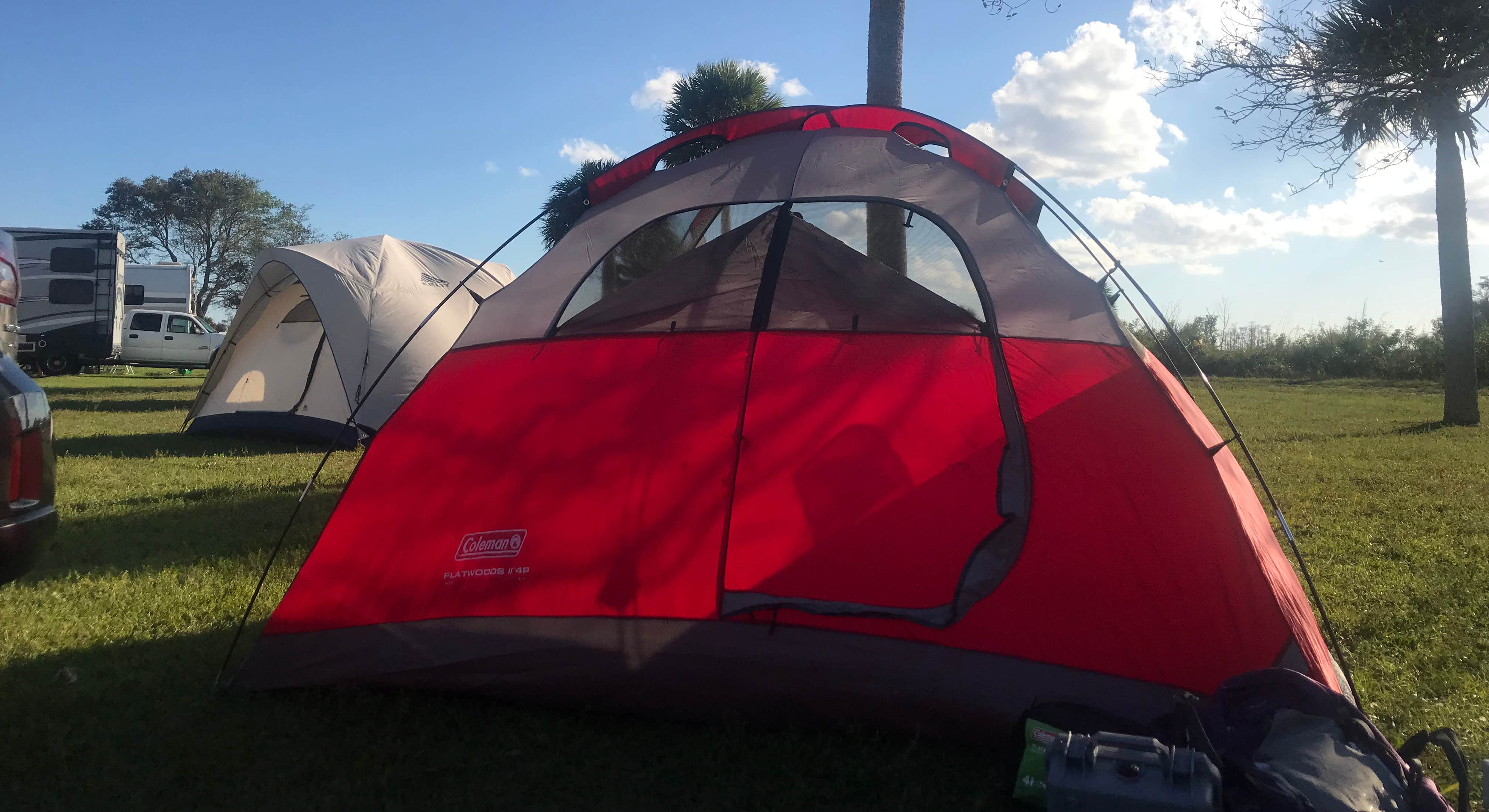 Photo by Kelly L
Responsible Camping Practices 
Camping in the Everglades comes with special responsibilities due to its sensitive wetlands and unique challenges. Adhere to these best practices to minimize your impact and stay safe:
Wildlife Protection:
- Secure all food and trash: Store food in vehicles or hard-sided containers; use raccoon-proof latches or straps on coolers. Never leave scraps or food packaging at your site.
- Do not feed wildlife: Animals that get human food lose their natural fear. This is especially critical with alligators (feeding them is illegal) and even birds - feeding ibis or vultures might seem harmless but it disrupts their diet and behavior.
- Maintain distance: Treat all wildlife with respect. Give roaming gators a wide berth, do not approach nesting birds, and keep a distance from any snakes you encounter. Use zoom lenses for photos instead of getting closer.
- Pet management: Keep pets leashed and under control at all times in allowed areas (campgrounds/parking lots). Never leave a pet outside unattended - a tethered dog can become an easy target for a curious gator or snake.
Leave No Trace:
- Stay on designated areas: Use established campsites and trails. Do not make new campfire rings or clear vegetation for a tent site. In the backcountry, set up your tent on the designated chickee or beach above the high tide line.
- Pack it in, pack it out: Take all garbage with you. This includes organic waste like orange peels or fish bones - animals will eat what you leave, which can harm them. Carry a trash bag and double-bag anything smelly.
- Bury human waste properly: In wilderness areas where there's no toilet, dig a cathole 6 inches deep at least 100 feet from water to bury waste. Even better, use the portable toilets provided on chickees or bring a wag bag for pack-out in sensitive areas (especially on small keys where soil is thin).
- Leave natural objects: Don't remove shells, plants, or cultural artifacts. Dead wood should be left in place (and is often waterlogged anyway). Take only pictures, leave only footprints - and even those should wash away with the next tide.
Water Conservation:
- Use minimal water for washing: Frontcountry sites have water spigots, but it's still wise to conserve. Turn off taps tightly after refilling jugs. When washing dishes, fill a basin rather than letting water run.
- Don't pollute water sources: Even biodegradable soap can harm aquatic life. Do all soaping/scrubbing at least 200 feet from any natural water, then disperse the strained graywater. In campgrounds, use the sinks or toss used water in vegetation away from camps.
- Bring ample drinking water: Potable water in Everglades is limited to a few points. Always carry more than you think you need (heat will have you drinking a lot). For backcountry, either cache water or be prepared to treat and drink brackish water (the park suggests bringing all your own, as filtering tannic swamp water is a last resort).
- Rinse gear responsibly: If you rinse saltwater off fishing gear or boats at camp, do it away from your sleeping area - the residue can attract animals. Also, use fresh water sparingly for rinsing; a light wipe-down can often suffice.
Campfire Responsibility:
- Use designated fire rings: At Flamingo and Long Pine Key, only build fires in the metal or concrete fire grates provided. Elsewhere, fires are generally not allowed (chickees, for instance, absolutely no fires). On coastal beaches where fires are permitted, keep them below the high tide line on wet sand and small in size.
- Never leave a fire unattended: Not even for a quick run to the restroom. Winds can spread embers to grass or buttonwood leaves rapidly. Always fully extinguish with water until ashes are cool to the touch.
- Buy firewood locally: Do not bring firewood from outside South Florida - it can introduce invasive pests. Buy it at the Flamingo store or nearby vendors. Mangrove wood on the shore might seem handy, but it's often wet and very smoky (and collecting it is prohibited).
- Respect fire bans: In dry conditions (usually late spring), the park may ban open fires. Obey all posted restrictions and use a stove for cooking instead. Even if there isn't a ban, consider skipping a fire on windy nights to avoid spreading embers.
By following these responsible camping practices, you help ensure the Everglades remains wild and unspoiled. Small actions like picking up every bit of trash, or choosing a camp stove over a driftwood bonfire, make a big difference in a delicate environment. Plus, practicing Leave No Trace means the next camper will find the site as pristine as you did - and the resident alligators and herons will continue to live free of human interference. Responsible camping is the key to keeping Everglades National Park a special place for generations to come.
Frequently Asked Questions 
Do I need to reserve a campsite in advance, or can I just show up? In winter (dry season), it's highly recommended to reserve in advance. Flamingo and Long Pine Key campgrounds often reach capacity from December through March on weekends. Reservations are made through Flamingo Adventures for those campgrounds. In summer, you can usually just show up - sites are often available on a first-come basis then, since far fewer people camp in the wet season heat. For wilderness backcountry sites, you must have a permit via Recreation.gov before heading out - no walk-ins are allowed at the moment, so plan that ahead (even if you get it same-day online).
How bad are the mosquitoes, really? They can be legendary, especially in the wet season (June-September). In the worst times, stepping out at dusk without protection can result in dozens of bites within minutes. That said, in the cooler dry months, mosquitoes and no-see-ums are much less of an issue - you might only encounter a few around sunset. Prepare as if they will be bad: bring strong repellent, long sleeves/pants, and even a head net. Campsites with a breeze (Flamingo on the bayshore or chickees on open water) tend to have fewer bugs than stagnant inland sites. If you visit in winter, you may be pleasantly surprised how tolerable it is. But in summer, assume "very bad" and you'll be mentally ready - and don't forget about biting flies in coastal areas during daytime, which can be as pesky as the mosquitoes!
Is it safe to camp with alligators around? Yes - thousands of people do so every year without incident. Alligators generally keep to themselves and prefer waterways and marshes, not developed campgrounds. Long Pine Key Campground is in a pine forest with no large gator habitat immediately adjacent, so encounters there are rare. Flamingo Campground is near water, so you might occasionally see a gator in a nearby pond or the marina, but they do not approach campsites looking for food (they don't associate humans with food unless illegally fed). Use common sense: don't let small children or pets wander near the water's edge unsupervised, especially at dawn/dusk when gators are more active. Keep your flashlight handy at night - not so much for gators on land, but to avoid stepping on frogs or snakes that might be out. If you're in a tent or RV, you're fine. Many people actually worry more about raccoons rifling through their stuff than gators. So yes, it's safe - just maintain that respectful distance and never feed or entice alligators.
Do the campgrounds have electricity or hookups for RVs? Long Pine Key Campground does not have any electric or water hookups - it's dry camping only (though there is a dump station and potable water available by the entrance). Flamingo Campground has a limited number of electric sites (in T-Loop) that can accommodate RVs camping in Everglades; these are popular in summer for running AC. Flamingo also has a dump station and water fill. No sewer hookups on individual sites. If you absolutely need full hookups, there are private RV parks outside the park. So, plan as if you'll boondock: bring generator or solar if needed (Flamingo does allow generator use in certain loops during set hours). Both campgrounds have restrooms with flush toilets, and Flamingo has solar showers (free), but neither has hot showers or laundry facilities.
Can I drink the water in the Everglades? At the campgrounds and visitor centers, yes - the park provides treated well water that is safe to drink. It might have a slight mineral taste but it's fine. In the wilderness, assume no clean drinking water. The Everglades is a mix of salt and fresh water and even "freshwater" may be brackish or contaminated with microbes. If you're backcountry camping, either cache water (park staff sometimes allow you to leave jugs at ranger stations for later pickup) or bring a reliable filtration system plus chemical tablets to treat it. Even then, many paddlers say the tannin-stained water filtered from mangrove areas can taste bad - so they bring as much from home as possible. Bottom line: fill your jugs at home or at campgrounds before going deep into the park. Never drink straight from ponds, marshes, or collected rain without treating it. And because it's hot, drink a lot - dehydration can sneak up on you when you're out in the sun and wind on a canoe.
What wildlife am I likely to see while camping? Around the campgrounds, expect nightly frog choruses and curious raccoons. You'll almost certainly see plenty of birds - vultures, ospreys, herons, egrets, and maybe pelicans near Flamingo. Alligators are often visible in nearby water bodies (e.g., Eco Pond by Flamingo or the slough near Royal Palm). Crocodiles are more shy but Flamingo marina is a known spot to glimpse the American crocodile (usually in the water, occasionally basking near the boat ramps). Other possible sightings: manatees (often right at Flamingo Marina), dolphins (in Florida Bay), deer (rare in Flamingo but sometimes near Long Pine Key), marsh rabbits, and if you're very lucky, maybe an endangered snail kite or a roseate spoonbill. At night, listen for barred owls or see lightning bugs in summer. On the flipside, you probably won't see a panther or bear - they're around but extremely infrequent near humans. Insects you'll definitely "see" (and feel). Embrace the small wonders: watch anoles (little lizards) scurry around your picnic table, or spotlight the water for alligator eyes glowing red at night (from a safe distance). The wildlife is a highlight of Everglades camping, so bring binoculars! For those interested in exploring more remote areas, numerous backcountry sites like Lostmans Five Bay offer even more wildlife viewing opportunities.
How are the road conditions - do I need 4x4 to reach campsites or trailheads? All main park roads to the campgrounds and popular trailheads are paved and well-maintained. You do not need 4WD to reach Flamingo or Long Pine Key - any car or RV can easily navigate the park road (just watch your speed; lots of wildlife crossings). Some secondary roads like the one to Clubhouse Beach trailhead or down Coastal Prairie may be gravel or dirt, but still typically passable in a 2WD vehicle unless temporarily flooded. In Big Cypress (adjacent preserve), there are scenic dirt roads (like Loop Road or Turner River Road) where high clearance is nice but not mandatory if you go slow. Within Everglades NP, everything a typical visitor would drive on is fine for standard vehicles. Just be cautious driving at night - the roads are dark and wildlife (especially gators or deer) sometimes bask on warmer pavement. Also note: there are no gas stations inside the park beyond the Flamingo marina (which has gas for boats, sometimes for cars). So fuel up beforehand. The park's long stretches of flat road mean you're more likely to worry about staying awake than getting stuck - enjoy the ride and the sawgrass views!
Planning Resources
Essential Everglades Links
- The Dyrt Everglades NP Campground Finder - Camper reviews and photos for campgrounds in and around Everglades NP (helpful for finding nearby private RV parks or comparing sites)
- Everglades National Park Official Website - Current park alerts, camp regulations, and trip planning info
- Flamingo Adventures (Concessionaire) - Reservations for Flamingo & Long Pine Key campsites, eco-tents, and tours
- Everglades Recreation.gov - Wilderness Permits - Online system to reserve backcountry camping permits (required for chickees, ground, beach sites)
- NPS Everglades Camping FAQs - Additional camping guidelines, frontcountry campground maps, and phone contacts
- Everglades Weather and Climate - Seasonal weather patterns and current forecast links
Everglades Reservation Timeline
| Time Period | Reservation Task | Platform/Details |
|---|---|---|
| Up to 12 Months Before | Book Flamingo/Long Pine campsites | Flamingo Adventures online or phone No specific release date - earlier is better for winter |
| 3 Months Before Trip | Reserve wilderness camping permit | Recreation.gov (90-day rolling window opens daily at 10 AM ET) Plan backcountry itinerary before booking |
| 1-2 Weeks Before | Check for campsite openings or cancellations | Flamingo Adventures site for last-minute availability Also confirm any gear rentals or tours |
| Day Before Arrival | Review weather and conditions | NPS Everglades current conditions page Pack appropriate gear (bug nets, rain tarps, etc.) |
Everglades Camping Checklist
Reservations and Permits:
- Frontcountry campground reservation confirmation (print or save on phone)
- Park entrance pass (or annual pass) and photo ID
- Wilderness permit confirmation (if backcountry camping)
- Fishing license (Florida freshwater and/or saltwater, if fishing planned)
Camping Gear:
- No-see-um proof tent (with rainfly and footprint)
- Lightweight sleeping bag or sleep sheet (appropriate for 50-70°F nights)
- Sleeping pad or air mattress (insulating & for comfort on ground or chickee)
- Battery-powered fan or ventilation device for tent
- Tarp, canopy or sun shelter (for rain and sun protection at campsite)
- Headlamps or flashlights (with fresh batteries for each camper)
- Camping chairs or stool for each person
- Rope or bungee cords (useful for securing tarps or hanging gear)
Kitchen Items:
- Cooler with secure lid latches (to thwart raccoons)
- Camp stove with fuel (and windscreen for breezy coastal conditions)
- Matches/lighter in waterproof container
- Pots, pan, and cooking utensils suited to your meals
- Eating utensils, plates, bowls, and cups (durable and reusable)
- Biodegradable soap, sponge, and wash basin (do not use campground spigots for washing)
- Large water jugs or containers (fill with drinking water - 1+ gallon per person per day)
- Trash bags (plus ziplock bags for packing out used toilet paper or small trash)
Clothing:
- Moisture-wicking t-shirts and long-sleeve shirts
- Lightweight long pants (for bugs and sun) and shorts for hot afternoons
- Hat with brim (for sun) and a warm beanie (for chilly nights/windy boat rides in winter)
- Comfortable hiking shoes or boots (broken-in)
- Water shoes or old sneakers (for muddy launches or canoeing)
- Sandals or flip-flops (for around camp or showers)
- Rain jacket or poncho (afternoon storms can be intense)
- Swimsuit (if planning any swimming or just to wear in hot showers to rinse off)
- Sunglasses (polarized for seeing wildlife in water)
- Bandana or buff (multiple uses: sun protection, sweat rag, head cover)
Safety and First Aid:
- High-DEET insect repellent and/or Picaridin spray
- Mosquito head net and/or bug jacket (especially summer)
- Sunscreen (SPF 30+ broad spectrum) and SPF lip balm
- Basic first aid kit (bandages, antiseptic wipes, pain relievers, antihistamine for bites)
- Tweezers (for splinters or ticks) and small scissors
- Anti-itch cream or sting relief (for insect bites)
- Personal medications (enough for entire trip, plus an extra day or two supply)
- Hand sanitizer or biodegradable soap for hand washing
- Bear horn or whistle (to make noise if needed - useful to spook off curious wildlife like raccoons at night)
Navigation and Communication:
- Printed park map and backcountry route maps/charts
- Compass (even if you carry a GPS - batteries die!)
- GPS device or offline map app on phone (download Everglades area maps ahead of time)
- Portable power bank and charging cables (to recharge phone, camera, etc.)
- Two-way radios or walkie-talkies (helpful if camping with a group on water or separating during hikes)
- Emergency contact info and a park phone number (written down in case of phone issues)
- Headlamp with red-light setting (preserves night vision and attracts fewer bugs)
- Waterproof dry bag or case for electronics and important documents
With thorough planning and this checklist, you'll be ready to handle Everglades' unique conditions - from sun and rain to mosquitoes at dusk. By preparing well, respecting wildlife and park rules, and embracing a spirit of adventure, your Everglades camping trip will be an unforgettable journey into one of America's most extraordinary wild places. Whether you're watching a pastel sunset over Florida Bay, paddling through a silent mangrove tunnel at dawn, or marveling at an alligator basking near your trail, camping in Everglades connects you directly with the heartbeat of the River of Grass and provides memories (and stories!) that will last a lifetime.