The San Juan Islands offer some of the best tent camping near Point Roberts, Washington, with locations ranging from 48 to 49 degrees north latitude. This maritime camping region experiences mild temperatures even in summer, rarely exceeding 75°F. Campgrounds are situated on islands with elevations typically under 200 feet above sea level, positioning sites close to shorelines where prevailing northwest winds can impact comfort.
What to do
Lighthouse hiking: Patos Island State Park provides an easy, short walk to the historic Patos Lighthouse. "The walk to the Patos Lighthouse is easy, short, and a must do. My favorite is going to the lighthouse for sunset," reports Kelsey M. The lighthouse area offers exceptional vantage points for whale watching during migration seasons.
Wildlife viewing: Stuart Island Marine State Park serves as a prime location for wildlife observation. "We saw several deer while here too. Lots of wildlife... 2 harbor seals stayed in the harbor the whole weekend. Saw several bald eagles. Saw a river otter and several raccoons," notes Taylor C. The island's position near open water creates frequent opportunities for marine mammal sightings.
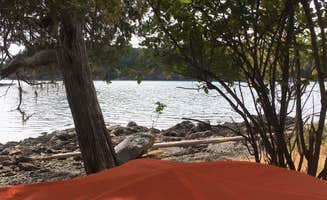
Water activities: Mountain Lake Campground offers freshwater recreation options for tent campers seeking alternatives to saltwater activities. "It sits on Lake Moran which is a fun lake to kayak and cliff jump," mentions Rich M. The lake maintains warmer temperatures than surrounding saltwater, making swimming more comfortable during summer months.
What campers like
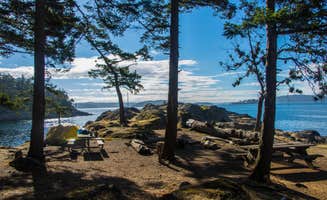
Geological features: Tent campers appreciate the distinctive rock formations at Sucia Island Marine State Park. "From climbing rocks up to find hidden caves to wandering on a mini-peninsula and discovering quiet beaches, Sucia is always a great time," shares Sarah M. The sandstone formations create natural shelters and exploration opportunities not found at other regional campgrounds.
Island exclusivity: Camping on remote islands provides separation from mainland crowds. "Because it's so remote and accessed by boat only it keeps the crowds down. This is a remarkable place if you are lucky enough to have a chance to visit," explains Kayko S. about Sucia Island. The boat-only access creates natural visitor limitations that maintain campsite availability even during peak season.
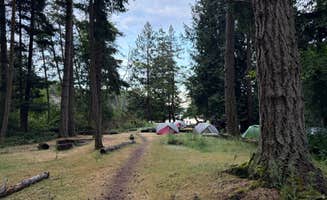
Group camping options: Several marine state parks accommodate larger camping parties with designated areas. At Stuart Island, one camper noted, "We camped in a couple of sites at Prevost Harbor (we were a large group of 12) after hauling our kayaks up into the grass in expectation of a high tide. The campsites were large; we were able to fit 8 tents in two sites, and took over a third site for cooking and eating."
What you should know
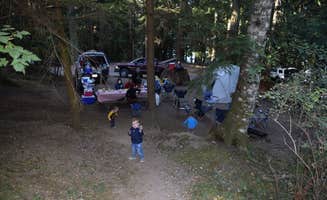
Raccoon precautions: Raccoons present significant challenges throughout the islands. At Stuart Island, "You need to store your food bins well due to aggressive raccoons (we wedged ours under the picnic table benches)." Another camper at Jones Island warns: "Raccoons. However you get to Jones Island make sure that you have a way to guard your food from the raccoons. Simple tarps and/or dry bags are usually not enough."
Seasonal closures: Water systems typically shut down after summer. At Jones Island Marine State Park, "Water is available during the summer and turned off after Sept. 15." This necessitates bringing additional water supplies for fall camping trips when daytime temperatures can still reach 65°F.
Wind exposure: Campsite selection should consider prevailing wind directions. "Winds can make for an unpleasant visit if you end up on the wrong side so check the weather before you pick a side," advises Joshua F. regarding Jones Island. Northern and eastern shorelines generally provide better protection from predominant summer winds.
Tips for camping with families
Beginner-friendly options: Obstruction Pass State Park provides an ideal introduction to backpack camping for children. "My twelve year old wanted to try backpacking, but not hike too far. The hike is short, the campsites are good, and there is a pit toilet, unlike some other backpacking options," shares Don. The approximately half-mile hike makes gear transport manageable for young campers.
Nature exploration activities: Fallen logs at Obstruction Pass create natural play structures. "There are a bunch of fallen trees that are fun to walk on and see how far you can get before losing your balance," notes one visitor. These natural features provide entertainment without requiring additional equipment.
Arrival timing: First-come, first-served campgrounds fill quickly during summer months. "My recommendation is to check for burn bans (so you know if you should bring fire wood) and arrive early as these sites are first come first serve," advises Don regarding Obstruction Pass. Midweek arrivals significantly increase chances of securing preferred sites.
Tips from RVers
Limited RV options: While most San Juan Island camping focuses on tent camping, some nearby mainland locations accommodate RVs. The Norwest RV Park in Ferndale provides RV-specific amenities approximately 30 miles from ferry terminals. "Small spaces but they are level and the price is right!" reports Bradee A., highlighting the limited but functional nature of regional RV camping options.
Ferry considerations: RVers must make advance reservations for Washington State Ferries, particularly during summer months. Reservation windows open two months before sailing dates, with final spaces released two days prior. Vehicle size restrictions and summer surcharges apply for recreational vehicles exceeding standard dimensions.
Island access limitations: Most marine state parks lack road access, making them unsuitable for RV camping. For RVers wanting to experience the islands, consider securing mainland campgrounds and using passenger ferries for day trips to marine state parks with hiking trails.










 Guide


