Dispersed camping near Prince William Forest Park offers rustic experiences in Shenandoah National Park's backcountry. Located in Virginia's Blue Ridge Mountains at elevations ranging from 700 to 3,600 feet, the area features dense hardwood forests and rolling terrain. Camping options require hiking in from trailheads, with most sites located along the Appalachian Trail corridor where overnight temperatures can drop significantly even in summer months.
What to do
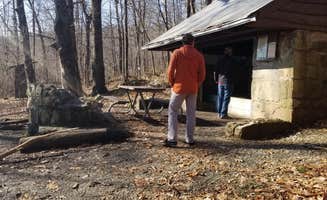
Hike the Appalachian Trail: Access primitive camping while experiencing one of America's most iconic long-distance trails. Gravel Springs Hut serves as a waypoint for both day hikers and through-hikers. "The hut is 3 sides and open on the 4th, the open side faces the fire pit," notes Mara F. about Gravel Springs Hut.
Plan for water availability: Water sources are limited in the backcountry near Prince William Forest Park. Compton Gap area requires carrying sufficient water, as no reliable springs exist nearby. "Hiked in from the Dickey ridge trail parking lot," mentions Les R. about Compton Gap Backcountry camping, highlighting the need to plan your water supply accordingly.
Wildlife observation: The dispersed camping areas provide opportunities to observe native wildlife including white-tailed deer, black bears, and numerous bird species. Remember that proper food storage is mandatory at all backcountry sites to prevent animal encounters.
What campers like
Shelter options: The three-sided shelter system provides a compromise between tent camping and cabin accommodations. "The hut sleeps 8 and is first come, first serve. You may end up meeting some new friends there because of this," reports a camper about Gravel Springs Hut.
Solitude and quiet: The limited access points and permit requirements keep crowds minimal at dispersed sites near Prince William Forest Park. Most sites see very few visitors, especially on weekdays and in shoulder seasons.
Food storage systems: Bear management infrastructure at certain sites eliminates concerns about proper food storage techniques. "There is a picnic table, privy, bear locker, and bear pole to hang additional items at the site," notes a Gravel Springs Hut visitor, appreciating these practical amenities not typically found at dispersed sites.
What you should know
Permit requirements: All backcountry camping in Shenandoah National Park requires a free permit available at visitor centers or online. These permits must be obtained before setting up camp and displayed at your site.
Weather considerations: The mountain location means rapid weather changes can occur. Summer thunderstorms are common in the afternoon, while spring and fall bring wide temperature fluctuations between day and night.
Bug pressure: Insect activity can be significant during warmer months. "Lots of bugs," reports Les R. about Compton Gap Backcountry camping, highlighting a common concern in the humid Virginia forests during peak season.
Tips for camping with families
Hut camping for beginners: The hut system provides a more structured experience for families new to backcountry camping. The combination of a roof overhead with nearby tent sites accommodates families of various sizes.
Water source proximity: When camping with children, prioritize sites near reliable water sources to minimize carrying heavy loads. "The spring for water is located very close by," mentions a Gravel Springs Hut camper, noting an important logistical advantage for family groups.
Pack-in, pack-out discipline: Use this opportunity to teach children about leave-no-trace principles. All sites in this area require carrying out all trash, with no disposal facilities available.
Tips from RVers
Trailhead parking limitations: RV access to trailheads serving dispersed camping areas is severely restricted. Most parking areas near Prince William Forest Park accommodate only standard vehicles, not RVs or trailers.
Base camp strategy: Consider establishing a base camp at a developed campground with RV facilities, then day hiking or backpacking to explore the dispersed areas. This approach allows access to the backcountry while maintaining the conveniences of RV camping.





 Ranger