Tent camping around Cumberland Gap National Historic Park sits at the intersection of Virginia, Kentucky, and Tennessee, with elevations ranging from 1,100 to over 3,500 feet. The region experiences humid summers with temperatures averaging 85°F and mild winters with frequent fog in valleys. Most primitive campsites require campers to bring their own water and pack out all trash.
What to do
Explore cave systems: Several campsites near Cumberland Gap provide access to unexplored cave systems. One camper at Chuck Swan State Forest noted, "Lots to explore here, beaches, hi clearance roads(Jeep roads), caves, old cemeteries, rocks to jump off into the lake, and an old fire tower you can climb for what I would expect is a great view."
Fish for smallmouth bass: The Holston River offers exceptional fishing opportunities near Cumberland Gap. When water levels are optimal with fewer generators running, the fishing conditions improve dramatically. As one angler shared, "Try to hit it when they are rolling 0 or 1 generators only and the fishing will blow your mind."
Archaeology exploration: The area around Norris Lake contains remnants of former settlements submerged when the dam was built. According to a visitor at TVA Public Land- Fork Bend, "This whole area was a booming river town before Norris dam was built and there are remains scattered throughout the peninsula."
What campers like
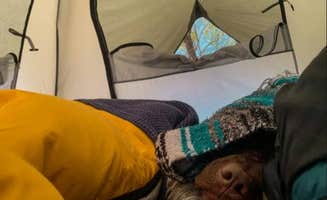
Secluded waterfront sites: The best tent camping near Cumberland Gap National Historic Park often includes waterfront locations with minimal development. A camper at Fork Bend reported, "I was searching for a primitive spot to camp on for two nights with my dog where I could relax by the water and this checked all the boxes."
Nighttime viewing: The lack of light pollution makes stargazing exceptional. Campers at Chuck Swan State Forest appreciate the dark skies, with one noting, "If you like the night sky and quiet, alone time, this place is perfect. Bring your bug spray, flashlight and TP."
Wildlife encounters: Many sites offer opportunities to observe native wildlife. The morning hours provide the best viewing times when animals are most active. Snakes are commonly spotted near water areas, with one camper mentioning, "Lots of snakes hiding under rocks on the beach."
What you should know
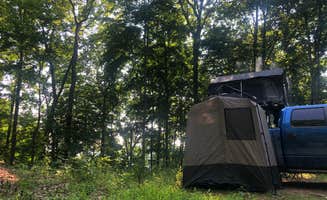
Road conditions: Many of the best campsites require driving on unpaved roads. At The Farmers Forest, access requires carefully navigating forest roads that may become impassable after heavy rain. Campers consistently recommend vehicles with higher clearance.
Cell service limitations: Connection strength varies dramatically by location and carrier. Verizon service at Fork Bend was described as "very poor only 1 bar ok to make phone call but unable to send pics or text."
Weather patterns: The Cumberland Gap region experiences quick-changing weather conditions, especially in spring and fall. Valley fog forms frequently in morning hours, reducing visibility on trails and roads.
Site maintenance concerns: Some public camping areas suffer from litter problems. One visitor noted, "Really loved this location but was absolutely filled with trash... Used condoms, beer boxes, fast food cups, and just about every other kind of trash you could imagine."
Tips for camping with families
Shallow water access: For families with children, select sites with gradual water entry. At Cedar Grove Marina & Campground, one visitor noted, "This is a very nice place to stay in. It has everything you need to enjoy your stay," including family-friendly water access points.
Trail difficulty ratings: When hiking with children, start with the easier marked trails at Indian Mountain State Park. A visitor to Rabbit Road Campground observed, "The state park offers 5 trails, pavilions, as well as playgrounds and a lake."
Glass hazards: At popular camping areas, carefully inspect tent sites for broken glass before setting up. One camper warned, "There is a lot of broken glass everyone, no way around it. I sleep in a tent, so that kind of sucked having to rake the ground like that."
Tips for RVers
Limited hookup options: Most primitive sites near Cumberland Gap lack RV hookups. For those requiring utilities, Tranquility Creek offers more accessible camping while maintaining a natural setting described as a "Quiet, clean place to rest."
Turning radius limitations: Forest roads typically have tight turns and limited pull-through options. Larger rigs should consider staying at established campgrounds rather than attempting primitive sites.
Power alternatives: Generator restrictions exist at many campsites, requiring alternative power sources like solar panels or battery banks for extended stays.











 Traveler


