Tent camping options near Manti, Utah typically range from 7,000-8,500 feet in elevation, offering cooler alternatives to Utah's desert heat. Primitive camping areas include national forest dispersed sites and established campgrounds with varying amenities. Access typically requires travel on dirt roads that can become rutted during wet weather conditions, with most campsites located 5-10 miles from paved highways.
What to do
Explore hiking trails: Multiple camping areas near Manti connect to hiking networks, particularly in the Fishlake National Forest region. According to one camper at Fish Lake National Forest Campsite, "there was a spot on the left that would have had awesome sunset views," making it ideal for photography enthusiasts.
Wildlife viewing: Early mornings provide opportunities to spot deer, elk, and various bird species. A camper at Maple Hollow noted that "the view would distract anyone who was traveling on the dirt road," with open fields nearby where cattle sometimes graze.
Night sky observation: The elevation and distance from urban areas create excellent stargazing conditions. One visitor mentioned that "at night the stars where so beautiful while sitting around the campfire," making astronomical observation a popular activity during clear nights.
What campers like
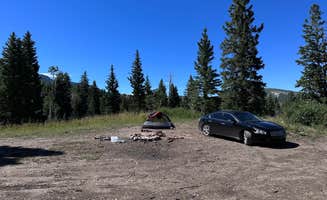
Privacy and solitude: Most dispersed camping areas offer significant separation between sites. As one camper at Willow Creek Road explained, "This was a great site to stop and pitch my rooftop tent. Not too far up the canyon, and it was very quiet." Weekday visits typically provide greater isolation than weekends.
Natural shade coverage: Many forest sites feature juniper and pine trees that provide partial sun protection. A camper at Fish Lake National Forest described finding "a pull through and trees and was a bit more private," allowing for temperature management during summer months.
Accessibility without crowds: Despite being relatively accessible, many areas remain uncrowded. One visitor mentioned, "We pulled in after sunset to stop before going all the way north to SLC. The road was pretty doable in our truck, but it think it would be easy in a sedan too," indicating reasonable access for standard vehicles.
What you should know
Water availability: No running water exists at most dispersed sites. Pack sufficient water for drinking, cooking and washing. Even established campgrounds may have seasonal water shutoffs, as one camper at Maple Hollow reported: "Water supply is turned off at all water sites - unsure whether this is related to flood damage or something else."
Road conditions: Access roads vary significantly in quality. A visitor described one approach: "5 mile rough gravel road for access. Could not find a site in the camp itself, but many pull off on the way up." Some roads experience seasonal closures during winter months or after heavy precipitation.
Weather preparedness: Temperature fluctuations can be extreme. At 8,000 feet elevation, summer daytime temperatures average 70-85°F but can drop below 45°F overnight. Spring and fall camping requires cold-weather gear as temperatures regularly drop below freezing during night hours.
Tips for camping with families
Established campgrounds for amenities: Families with young children may prefer sites with basic facilities. One visitor to Maple Hollow mentioned, "the bathrooms where nice as well even though they didn't flush they where nice and didn't have that smell that some of them do. The water was nice and cold which made washing your face exhilarating."





 Guide
Guide