Dispersed camping opportunities around Cedar Park, Texas center on Lake Georgetown, where three main backcountry camping areas offer free overnight accommodations. These sites require hiking to access, with no vehicle access directly to camping locations. The region features mixed terrain including juniper and oak woodlands, limestone outcroppings, and seasonal wildflower displays along the shores of Lake Georgetown. Summer temperatures regularly exceed 95°F with limited shade in many areas.
What to do
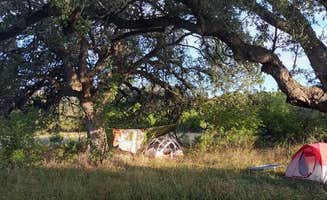
Swimming access points: The primitive camping areas around Lake Georgetown provide several swimming spots for cooling off. At Sawyer Park Primitive Campsites, campers can find shoreline access. "We ended up camping there off Sawyer Campsite Rd. People had clearly used the shore as a campsite before as there was a makeshift fire pit and some cleared areas for tents. Water and views were beautiful," notes camper Alexandra.
Trail exploration: The 26.2-mile San Gabriel River Trail offers varied terrain for day hiking from your backcountry campsite. The trail traverses diverse ecosystems around Lake Georgetown. "The trail circles Lake Georgetown and passes through forests, grasslands, over some small hills and across a few tributaries," explains Troy W. about the San Gabriel River Trail.
Stargazing: Clear night skies above Lake Georgetown provide good stargazing conditions when weather permits. Light pollution from Cedar Park and Georgetown affects visibility somewhat but remains significantly better than urban areas. Pack red-light headlamps to preserve night vision.
What campers like
Secluded camping spots: Free camping near Cedar Park, Texas attracts those seeking more solitude than developed campgrounds. "During the weekdays you may not see a single person. Dogs are allowed on the trail, but it is nice to keep them on leash," mentions Troy W. about the primitive sites.
Lakeside views: Walnut Springs Primitive Campground offers open areas with direct views of Lake Georgetown. Guillermo L. describes the layout: "Large open area; four fire pits, four lamp hangers, four picnic tables, trees closer to the trail and grassy areas closer to the water."
Multiple access points: The dispersed camping areas can be reached from several trailheads, allowing for varied hiking distances. "Can be biked in from Camp Tejas four miles away or can hike in from Russell Park 2 miles away," notes Guillermo about Walnut Springs, making it more accessible than other primitive sites.
What you should know
Water supplies: No drinking water exists at any of the dispersed camping locations near Cedar Park. "Be prepared to filter and sterilize if drinking lake water," warns Guillermo L. Carry at least 2 liters per person when hiking to these sites, especially in summer.
Fire restrictions: Check current fire regulations before planning to build campfires. While generally permitted at these sites, seasonal restrictions frequently apply during dry periods. Existing fire rings should be used when available.
Limited shade coverage: Much of the trail system and camping areas lack substantial tree cover. "I'd say that 40% of the trail has some tree coverage, but 60% is exposed," notes a camper about trail conditions leading to these no-cost camping areas.
Tips for camping with families
Choose easier access points: With children, select the most accessible primitive camping locations. "This is possibly the easiest campground on the Goodwater Trail to get to," mentions Guillermo about Walnut Springs, making it more suitable for families with younger children.




 Legend

