Tent camping around Wyoming, Rhode Island centers on several established campgrounds within short driving distance. The region's woodland environment features primarily deciduous forest with moderate humidity during summer months. Most campsites sit between 200-400 feet elevation with the terrain becoming more rolling to the north and west of Wyoming proper.
What to do
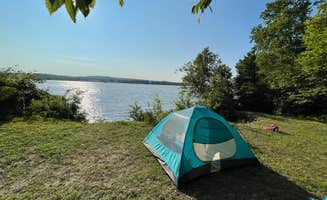
Water activities on Wakefield Pond: Buck Hill Campground provides access to Wakefield Pond with sufficient space for paddling and swimming. A camper noted, "The water is clean and fine for swimming with a few areas that make for easy entry into the water (including the 'beach')."
River exploration opportunities: Selden Neck State Park Campground offers unique Connecticut River camping via boat access. "It's about a 20 minute paddle across the river to the island. If it's a nice day, you're going to encounter some wake from passing boats so make sure your gear is in waterproof bags," advises one visitor.
Historical sites: Gillette Castle State Park Campground combines camping with cultural exploration. A visitor shared, "Great place for a hike or a picnic. Castle has tours at certain times."
What campers like
Secluded riverside locations: Campers consistently rate riverside tent sites highly. At Selden Neck State Park, one camper described, "Plenty of flat area to pitch a tent, nice picnic table and fire pit. There's a private outhouse. At low tide, a couple of beaches emerge to play on."
Simplicity and basic amenities: The rustic nature appeals to many tent campers. A Buck Hill visitor explained, "This is the type of campground to just come and unwind, fish, cook, etc don't expect much else."
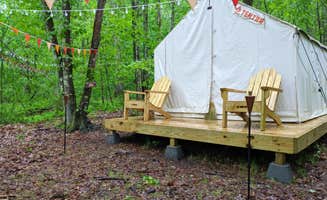
Water views and access: Waterfront tent sites are especially valued. One camper at Chapman Pond Preserve noted, "Good tent platforms, picnic tables and outhouse. CT river within view."
What you should know
Limited facilities: Most tent camping areas near Wyoming have minimal amenities. At Buck Hill Campground, there are "a few rough restrooms and some porta-potties" according to visitor reports.
Group camping configurations: Buck Hill Campground features communal camping areas rather than individual sites. As one visitor described, "All the sites are in large clusters (each can accommodate 10+ tents)."
Water transport requirements: Several desirable tent camping locations require boat access. For Selden Neck, "You have to kayak or boat in. There's a boat launch across from the island on the west side of the river at Deep River Landing where you can leave your car."
Weather considerations: Morning fog can impact water-accessed tent sites. A Selden Neck camper mentioned, "In the morning, we were completely socked in with fog which would have been an issue if we had to get back early. But it burned off before long."
Tips for camping with families
Beach access for children: Small sandy areas provide safer water entry for children at several sites. A Buck Hill camper described, "There's a small somewhat sandy area that perhaps used to be a beach of sorts, though no lifeguards or anything."
Waterproof gear protection: When accessing boat-in tent sites with children, extra precautions help. One Selden Neck visitor advised, "Make sure your gear is in waterproof bags" when crossing the Connecticut River.
Group site advantages: The cluster configuration at some campgrounds works well for family gatherings. At Water's Edge Campground, multiple tent pads accommodate extended family groups in close proximity.
Tips from RVers
Limited hookup availability: Most tent-focused campgrounds near Wyoming lack substantial RV infrastructure. While some sites like LeGrand Reynolds offer electric hookups, water and sewer connections are less common.
Site privacy considerations: When tent camping alongside RVs, site selection becomes important. At Gillette Castle, one camper recommended, "There's a few sites close to each other, so it is nice to go with enough people to occupy them all at once to keep it personal."





 Legend


