Equestrian camping near West Linn, Oregon offers access to diverse terrain across multiple state parks within a 45-mile radius. The area sits at the confluence of the Willamette and Clackamas rivers, with elevations ranging from 100 to 1,000 feet across available campgrounds. Winter camping often brings 45-55°F temperatures with frequent rain, while summer months typically stay below 85°F with minimal humidity.
What to do
Trail riding beyond the campground: Silver Falls State Park Campground offers extensive riding opportunities beyond the immediate camping area. "The large Black Cottonwood tree resides at this park and is worth seeing!" notes Kelly N. about nearby Willamette Mission State Park, which connects to regional trail systems.
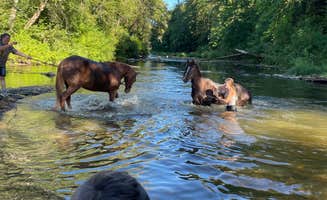
Swimming access: Many equestrian-friendly sites provide water access for both horses and riders. "Great access to the river to keep cool in summer. Nice sandy beaches," writes marcus K. about Oxbow Regional Park, which maintains several beach areas suitable for cooling off after rides.
Evening entertainment options: After trail riding, campgrounds often provide space for group activities. "After riding all day, my friends and I played games that added spice to the evening around the campfire," shares Sprunki R. at Willamette Mission State Park Horse Camp, showing how riders create their own entertainment.
What campers like
Privacy between sites: Unlike some crowded campgrounds, several horse-friendly locations offer good separation between campsites. "The sites were large enough to comfortably park my small car and have plenty of room to spread out," notes Crystal C. about Beacon Rock State Park Campground, which maintains wooded separation between camping areas.
Trail variety: "Lots of hiking, swimming, and fishing through the park. It's truly a great oasis just outside of Portland," writes Blaine B. about Oxbow Regional Park, highlighting the multi-use trails available for both horses and hikers.
Water sources on trails: "Water access points along the river provide natural watering opportunities," with many campgrounds maintaining dedicated areas where horses can safely drink. "The stones in the stream are a rainbow of metamorphic rock," observes Lawrence F. about Panther Creek Campground, describing the accessible water features.
What you should know
Reservations essential: Most equestrian sites require advance booking, especially during peak season. "You can book sites online up to 24 hours in advance, or you can show up to camp one night at one of the few non-reservable first come sites," explains Corinna B. about camping in the region.
Seasonal closures: "This park floods every winter. I advise planning your trip for the spring or summer," warns Kelly N. about Willamette Mission State Park, illustrating why checking seasonal access is critical before traveling with horses.
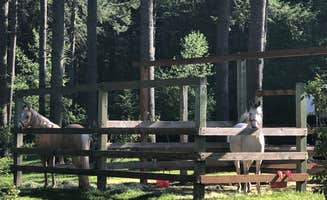
Limited corral availability: While some parks advertise horse-friendly camping, many lack built-in corrals. "There is also a campground for horseback riders specifically for those who want to ride their horses in the park," notes Jefferson S. about Willamette Mission State Park Horse Camp, one of the few facilities with dedicated equestrian infrastructure.
Tips for camping with families
Playground access: Some horse-friendly campgrounds also offer family amenities. "The kids playground was great for the grandkids," shares Richard B. about Battle Ground Lake, making it suitable for multi-generational equestrian trips.
Swimming options for children: When choosing a horse camping location with kids, prioritize sites with designated swimming areas. "They have a cool volcanic lake with a swimming area and great fishing," writes Ashley Y. about Battle Ground Lake State Park Campground, describing its kid-friendly water access.
Educational opportunities: "We take elementary students to this site every spring to have a field science day," mentions Kelly N. about Willamette Mission State Park, highlighting the educational potential when combining horse camping with nature exploration.
Tips from RVers
Site lengths vary significantly: When bringing both horses and an RV, check site dimensions carefully. "Our spot was very spacious as the length was 45 feet deep on asphalt," reports Robert D. about Dairy Creek East at L.L. Stub Stewart Memorial State Park.
Hookup limitations: "No hookups though," warns marcus K. about Oxbow Regional Park, reminding RV owners to verify utility availability when planning horse camping trips, as many equestrian sites offer limited services.
Level parking critical: Horse trailers require stable parking surfaces. "The pad starts with asphalt and then goes to gravel, where you actually park the rig," notes MickandKarla W. about L.L. Stub Stewart Memorial State Park, describing the type of reliable parking surface needed for safe loading and unloading.


 Traveler


