Equestrian camping near Timber, Oregon offers direct access to trail systems within the Tillamook State Forest. The region sits at approximately 1,800 feet elevation within the Coast Range, with typical annual rainfall of 70-80 inches concentrated between October and May. Overnight temperatures can drop significantly even in summer, making adequate sleeping gear essential for tent campers.
What to do
Explore mountain biking trails: L.L. Stub Stewart Memorial State Park maintains multiple trail systems for varying skill levels. "The park has recently renewed trail signage" and offers "lots of hiking, paved path & mtb biking, disc golf, horse trails and more," notes OregonSteve who visited Dairy Creek East.
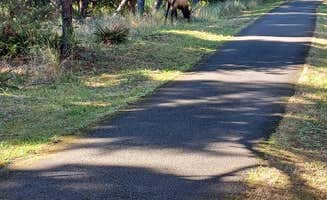
Ride the Banks-Vernonia Trail: This paved 21-mile trail follows a converted railroad bed perfect for casual cycling. "We had a nice run on the Bumping Knots Loop" and "there are lots of trails directly accessible from the campground including the Banks-Vernonia Bike Trail as well as other hiking, biking and equestrian trails," explains Stephanie Z. from Brooke Creek Hike-in Camp.
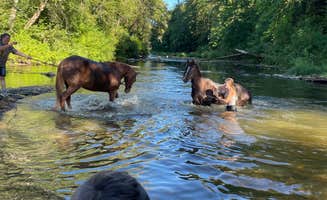
Explore Nehalem River: At Reehers Camp, visitors can access the river for fishing and wading. "Good hiking and the Nehalem River goes thru it," says Gabriel M. who stayed at Reehers Camp, noting it's "very quiet and out of the way" with "camping spots for people with horses."
Try disc golf: The park maintains multiple disc golf courses for players of all skill levels. "Open feel, but sites are spacious. Nice playground for kids, fun disc golf course and wonderful access to biking," notes Ryan W. about his experience at Dairy Creek East.
What campers like
Secluded tent camping options: The Brooke Creek area provides walk-in sites with greater privacy. "When we visited, there were at most 2-3 other groups in the area so we were very spread out and had lots of privacy. The atmosphere is very green and lush," says Jenny R. about Brooke Creek Hike-in Camp.
Cart availability for hike-in sites: Helpful transport options make remote sites accessible. "If you have a lot of gear they have three carts available to haul everything out in one go," explains Nathan R. from Brooke Creek Hike-in Camp, adding "The trail to the camp is about 1/4 mile, it's dirt in some places and gravel in others."
Evening wildlife viewing: The park's natural setting supports diverse wildlife observation opportunities. "Half an hour later I went behind the tent to get a Pepsi, and there it was, a cat. A bobcat to be exact," shares Patrick G. from Hares Canyon Horse Camp, noting the unexpected wildlife encounter during his stay.
Stargazing opportunities: The elevation and distance from urban light pollution creates excellent night sky viewing. "The top of the park shows a vast section of sky which is perfect for meteor shower watching," notes Jeff H. about Hares Canyon Horse Camp.
What you should know
Weather preparedness: The coastal mountain location means frequent rain, even in summer. "My husband and I have stayed here twice and both times it has rained. Which is fine but we find it very humorous (and actually really enjoy camping in the rain)," shares Jenny R. about the Brooke Creek area.
Insect protection: Bug spray is essential equipment during warmer months. "If there's one thing you want to pack, it's bug spray. It's not overly buggy, but the mosquitoes are there, and you don't want them to dampen your experience!" advises Nathan R.
Trail maintenance varies: Some trails require more preparation than others. "The Little Foot trail is overgrown and the wayfinding signs don't make any sense... stick to the Liahona trail, take a picture of the map and bring a compass," recommends Annie T. from Camp Wilkerson.
Horse waste on multi-use trails: Shared trails mean occasional encounters with animal waste. "The trails are great however owners don't clean up after their horses that go on the trail," notes Eric S. about the Brooke Creek area.
Tips for camping with families
Look for loop-specific amenities: Different camping loops offer varying features for families. "The Dairy Creek West loop has more shaded and privacy for most of the sites if thats what you are seeking, while the East loop is more open and affords a more social experience," advises Shane B. from Dairy Creek West.
Consider cabins for rainy weather: The region receives significant rainfall, making cabins a practical option. "I have been here several times and always have a good experience. During the main season when the whole place is open you can usually find a spot last min," explains Shane from Dairy Creek West.
Check playground availability: Family areas may have seasonal closures. "Our spot was on the north side of the road some ways away from the kids play area that was still closed due to COVID," noted Robert D. about his stay at Dairy Creek East in 2022.
Pack for temperature swings: Coastal mountains can experience significant day-to-night temperature changes. "Arrived at just the right time to make a hot meal and take in the stars," shares Patrick W. about his experience at Dairy Creek East.
Tips from RVers
Site selection for satellite access: Some loops offer better satellite visibility than others. "Our spot was on the north side of the road... when we put out our satellite unit it had lots of southern sky to find a signal from," explains Robert D. who stayed at Dairy Creek East.
Pad surface information: RV parking areas have varied surfaces. "Our spot was very spacious as the length was 45 feet deep on asphalt. It had a picnic table and a fire ring in a well-groomed gravel area about 30' x 30'," notes Robert D.
Cell service variability: Connectivity varies significantly across the area. "We got 3 bars LTE on Verizon," reports MickandKarla W. about their stay at Dairy Creek West, while Robert D. noted "Cell service was just ok" at the same campground.







 Legend


