Wake Forest camping areas offer a mix of lakeside and woodland sites across elevations ranging from 250 to 350 feet. The region experiences mild winters with occasional freezing temperatures and hot, humid summers that often reach 90°F. Most campgrounds in the area remain open from March through October, though several provide year-round access with reduced winter services.
What to do
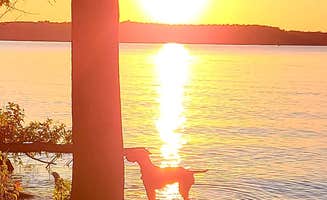
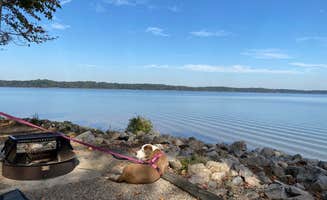
Fishing opportunities: Holly Point at Falls Lake offers excellent fishing access with multiple sites located directly on the water. "Sites are right on the lake, perfect for kayaking. The sites are close together but still semi private. Lots of short hikes and a swimming area," notes Heather L. Fishing for walleye, crappie, white bass and catfish is available.
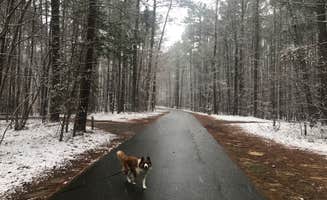
Hiking trails: William B. Umstead State Park Campground features extensive trail networks for day hikes. "Umstead offers a fantastic network of trails and more," according to a visitor. The park contains both wide gravel paths and narrower single-track trails that connect to form loops ranging from 8-14 miles.
Water activities: Poplar Point at Jordan Lake provides swimming areas and boat access. A camper shared: "Like the way the campsites take advantage of the rolling terrain. Campsites are roomy. Lots of shade. We had a substantial deluge while there, and the water drained just fine." The lake allows for swimming, kayaking, and small craft boating with designated areas for each activity.
What campers like
Privacy between sites: B.W. Wells Campground offers more secluded camping options. "Located on a semi rural area, the sites are very wooded and quiet. There was a lake nearby with an open sky where you could see hundreds of stars at night," reports Kristen W. The campground's layout helps maximize the feeling of seclusion despite being relatively close to urban areas.
Clean facilities: At Rolling View, campers consistently mention well-maintained amenities. "Nice, big sites and plenty of good areas for swimming, hiking, and fishing. We always catch a ton of fish! Bath houses are always clean and the park is in a convenient location," writes Dana M. The campground maintains regular cleaning schedules for restrooms and shower facilities.
Night sky viewing: Several campgrounds offer minimal light pollution for stargazing. A camper at B.W. Wells mentioned seeing "hundreds of stars at night" from the open sky area near the lake. Most lakeside sites provide unobstructed views of the night sky away from the tree canopy.
What you should know
Seasonal restrictions: Some campgrounds have limited operating seasons. Butner Lake WMA has specific open dates: "Only open Sept 1 to Feb 28th and March 31 to May 14," warns Erin B. This dispersed camping area follows hunting seasons rather than traditional camping seasons.
License requirements: At Butner Lake WMA, regulations require proper documentation. "All Campers MUST have a fishers/hunters license. Rangers wrote us a warning ticket for not having our own," reports Donnelle. These licenses cost approximately $30 and can be purchased at nearby retailers.
Airport noise: Some campgrounds experience periodic aircraft noise due to proximity to RDU International Airport. As Jessica H. notes about Holly Point: "The only thing you will contend with is occasional air traffic noise from RDU. If you're sensitive consider bringing earplugs for your comfort."
Tips for camping with families
Accessible swimming: Crosswinds Campground offers family-friendly water access. "There's a nice sand beach on the lake and a boat launch as well. Some of the sites offer a tie-off of your boat adjacent to your campsite," writes Paula U. The beach areas have designated swimming zones with gradual entry points suitable for children.
Playground access: Several campgrounds feature play areas for kids. A visitor to Crosswinds noted: "Great Campsites, nice wooded sites and close to lake access. Great hiking trails and very family friendly. Deer walked right behind our site. Boat ramp in campground. Swim area and playground."
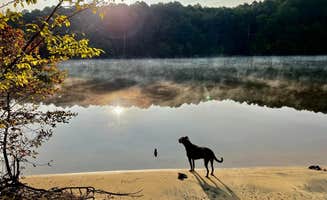
Weather considerations: Summer heat affects activity timing for families with pets and young children. For optimal comfort with pets, plan lake activities during morning hours before temperatures rise, with swimming opportunities available at most lakeside campgrounds from 10am to 6pm during peak season.
Tips from RVers
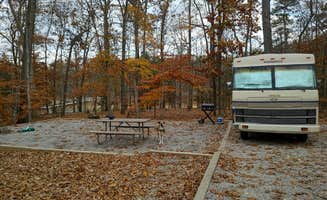
Level sites: Many campgrounds provide well-graded parking pads. At Poplar Point, Stuart O. observed: "Campsites are roomy. Lots of shade. We had a substantial deluge while there, and the water drained just fine." The F loop sites (particularly F36 and F40) offer direct water views from the awning side of RVs.
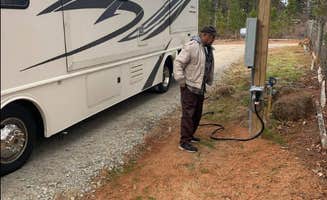
Hookup limitations: Most campgrounds offer water and electric but not full hookups. "Well kept sites with water and power access. Clean public restrooms and some water and fishing pier access. Some short trails for walking but nothing too long," notes Andrew C. about Rolling View. Dump stations are available but not at individual sites.
Gate closure times: Access restrictions apply at some pet-friendly camping areas near Wake Forest. One camper mentioned about Jordan Lake: "This campground is pretty great except for two things. There is no septic on your site, and they lock the gate after a certain hour. If you need something or arrive after hours you are out of luck."












 Legend


