

C
Casey E. Scout
Scout
ScoutYouth Tent Camp — William B. Umstead State Park
Not tent campground but new RV campground
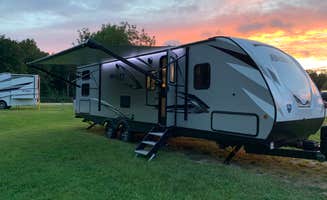
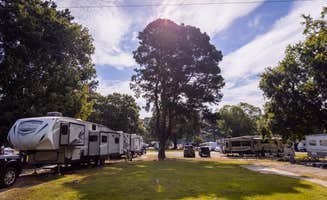
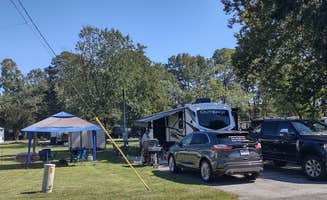
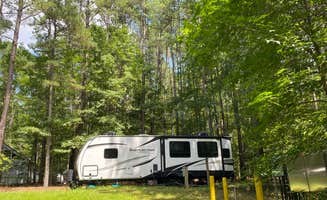
New and clean rv campgrounds. 28 spots. Awesome camp host Ron.
82 campgrounds · Check availability for any dates.
Falls Lake State Recreation Area dominates the camping landscape near Wake Forest, North Carolina, with multiple campgrounds including Holly Point, Rolling View, B.W. Wells, and Shinleaf offering developed sites within a short drive of town. These recreation areas primarily feature established campgrounds with amenities for both tent and RV camping, though accommodation types vary by location. Most campgrounds provide electric hookups, water access, showers, and toilet facilities across their sites. The region includes both waterfront camping with lake views and more secluded wooded sites, giving visitors options based on their preference for privacy or water access.
Camping season varies significantly between campgrounds in the Falls Lake area, with some locations like Rolling View open year-round while others such as Holly Point operate seasonally from March 15 to October 31. Most campgrounds in the region require reservations, especially during peak summer months when waterfront sites fill quickly. The developed campgrounds typically provide amenities including picnic tables, fire rings, and access to bathrooms with hot showers. Campsite fees generally start around $30 per night, with some discounts available for seniors and military personnel. As one camper noted, "You'll discover all of the basics are provided—from picnic table, fold-up fire ring/grill, bear-proof garbage hanger and a nice pebble-strewn patch of well-maintained flat pitch, perfect for striking camp for the night."
Visitors consistently praise the balance of natural setting and accessibility at Falls Lake campgrounds. The proximity to Raleigh makes these sites popular for weekend getaways while still offering genuine outdoor experiences. Campgrounds feature various recreational opportunities, with multiple hiking trails, swimming areas, and boat launches for kayaking and canoeing. While sites at some campgrounds like Shinleaf can be relatively close together, many campsites—especially those along the "leafs" rather than main paths—provide adequate privacy. A review mentioned that "If you find yourself in the hustle and bustle of nearby Raleigh and are looking to get away from the crowds and pavement in exchange for some nice shaded nature, hiking trails and calm, peace & quiet that only nature can offer, then make your way here to Shinleaf." The area's lakes support various fish species including bass, crappie, and catfish, making it popular with anglers.
"If you find yourself in the hustle and bustle of nearby Raleigh and looking to get away from the crowds and pavement in exchange for some nice shaded nature, hiking trails and calm peace & quiet that"
"The North Carolina State Park campgrounds are typically very nice, and this one is no exception. My site is adjacent to a large, clean, working bathhouse and a 2 minute walk from a swim beach."
from $27 - $77 / night
Check Availability"Tucked away and nestled off of 98 highway, Rolling View campground is a great, secluded spot."
"I spent a night in Shinleaf walk in campground in April as part of a backpacking trip along the Falls Lake MST trail, sections 8-12."
from $27 - $77 / night
Check Availability"Wells Campground at Falls Lake felt like stepping into a quiet forest hideaway, where the kids could explore trails, spot eagles over the water, and watch butterflies while we enjoyed campfires under the"
"There are tons of hiking trails all around and plenty of bike trails too! Conveniently located north of Raleigh, NC and close to many major highways."
from $72 / night
Check Availability"We've hiked umstead and other local trails almost every week for the past 5 months."
"Lots of great paths to walk."
from $30 - $78 / night
Check Availability"Restaurants and downtown Raleigh are within short driving distance. Public bathrooms and showers (cold water) are a 2 minute walk to Horse Complex H6, Barn B Very little tree cover."
"The actual address is 801 Youth Center Drive. One camping location is up in the woods behind the horse complex. The other is on the actual fairgrounds property along Youth Center Drive."
from $45 / night
Check Availability"If you find yourself in the hustle and bustle of nearby Raleigh and are looking to get away from the crowds and pavement in exchange for some nice shaded nature, hiking trails and calm, peace& quiet"
"Falls Lake State Recreation area is an interesting area in that it is made up of a number of non-connecting areas. The camping is at Shinleaf and is walk up only."
from $27 - $72 / night
Check Availability"And whatever it is running around in the woods."
"Nearby road with some noise during the day but overall great place to camp. We have seen several people pull in for over nights but left the next day. Will be back."
"Poplar Point Campground could quite possibly be the best campground in all of North Carolina!"
"Poplar Point is located on the banks of the lake in the Jordan Lake State Recreation Area."
from $27 - $37 / night
Check Availability"The Oasis is a new campsite on the Dyrt for those looking to explore the area but stay close to civilization and other Conveniences. Check them out and leave a review on the Dyrt!"
from $50 - $75 / night
Check Availability"This area is such a short drive from the triangle area of North Carolina, yet this park feels quite remote. Like many state parks, this one excels in the services department. "
"This is a pretty nice campground, similar to other state parks in North Carolina. The sites are spacious, we stayed at a double site that allowed up to 4 cars."
from $27 - $77 / night
Check Availability










 Scout
ScoutNew and clean rv campgrounds. 28 spots. Awesome camp host Ron.
 Guide
GuideLike this campground. Was a tight fit with our 20 ft trailer but it is super quiet at night. Nearby road with some noise during the day but overall great place to camp. We have seen several people pull in for over nights but left the next day. Will be back. Also make sure you buy a NC hunting or fishing license before you camp here
 Guide
GuideThe sites are very large, long and wider at the back, plenty of room for a big group or family. The bathrooms look new and they are clean. Here during the week so it's very empty and quiet.
ScoutWe were able to squeak in for Labor Day weekend. And they are always a great time. Well kept grounds, and really friendly people. The waffles are always a hit and much appreciated! If you can help it- plz don’t skip this spot! You won’t regret it.
 Traveler
We visited Crosswinds campground at Jordan Lake State Park on the worst heatwave of the year. The great thing about this area is that the sites a well shaded. We were about 50 yards from the lake, with the wind blowing we still were comfortable all day. We stayed on Loop A, which is my favorite loop at the park. There’s no electricity or water at the sites. There are water spickets throughout the loop with potable water. The site is awesome! There’s a small pond beside it. The neighboring sites are close, but regular conversations can not be heard.this loop is always quiet even when there are a lot of people, but it’s never been full when I’m there. I didn’t do good with photos except for the food.

 Legend
Arriving here to Holly Point Falls feels overwhelmingly relaxing as the pines embrace you with a welcome that will immediately remind you that you are out in pure nature here. The campgrounds here are thoughtfully laid out, with a mix of tent pads, RV-friendly sites and electric & water hookups at many loops. Sites vary in privacy, but most are generous in size with enough tree cover to make you feel like you’ve claimed your own little slice of wilderness. Bathhouses are clean and functional with the park staff keeping things tidy. Families and four-legged friends are welcome and the paved roads make getting in and out relatively stress-free. Larger rigs will want to pay attention when reserving, as some loops are tighter than others. Our boys simply loved this campground with its EZ access to Falls Lake, which was perfect for us to go fishing and kayaking in. We absolutely recommend Holly Point Campground at Falls Lake for any family looking to get as close to nature, without leaving civilization completely behind.
 Scout
ScoutWe didn’t realize the campground was only open for hunting season. We showed up late at night in the end of July and saw it was roped off but decided to pitch our tent anyway and woke up with a State Trooper shining a flash light in our tent😂😭 He let us off, but we still had to pack up and find a hotel at 1am since there’s no other free camping that we knew of around the area.
It’s a sad day when you can’t just pitch a tent and sleep in the woods peacefully but it is what it is! Would come back during the legal season for sure though, the woods were really nice and cleared out.
 Scout
ScoutThis is a nice place to paddle board. They also have a really cool disk golf course that we just hiked. The staff are super friendly. Classic NC country folk. The restrooms have been redone and now there is a bank of individual shower/rest rooms. The only drawback is it's kind of a long uphill walk from the campsites on a gravel road.
ScoutDecent campground in a beautiful location along Lake Jordan. Crosswinds Campground is one of several sites on the lake. We chose this location since the gates stay open all the time, while other sites have a curfew that can lock you out for the night.
The staff are super friendly and helpful. There’s apparently a camp host whom we never met and they’re on the site next to ours (not sure if they’re supposed to greet us or help us get acquainted with the site, but the staff member at check in was great and did all that when we arrived).
Loop C is quiet, very few children, and less road noise compared to the other loops, but doesn’t have the same access to the lake.
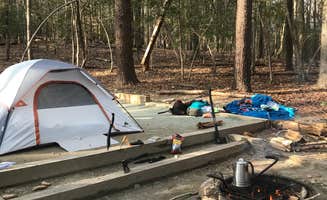
Site C50 is conveniently located close to the bath house, has a large fire pit with adjustable grill, picnic table, and hookups for water and electricity. We’re in a tent, so really just use the electricity. The picnic table here should be replaced, as the wood seems to be rotting, but still does the job. There are a few sites in loop C that do have direct access to the lake, but those tend to be booked all of the time. We explored one last night and couldn’t believe it was vacant and how much nicer it seemed.
Bathrooms are not as clean as I would like, but I bring disinfectant wipes to wipe the toilet before use. Showers are fine, but use an annoying motion sensor to turn the water on/off. Showering at night is annoying with the bugs because the bathhouse is lit like a beacon (probably for safety). Waiting for the daytime is a better experience. Also, there isn’t a washing station for dishes, and we do that at our site.
Firewood can be purchased by the staff at the campground entrance; however, the exact same firewood is almost $4 fewer at a Refuel station down the street. Definitely stop into that gas station store for things you might need.
Overall, really good experience staying here, some annoying things, but won’t ruin your stay.
The Wake Forest camping region sits at the northern edge of the Piedmont, with an average elevation of 400 feet above sea level. This geographic position creates a moderate climate with hot summers where temperatures often exceed 90°F between June and September. Falls Lake's 12,000-acre reservoir forms the backdrop for most camping options, offering 14,000 acres of woodland with mixed pine and hardwood forests throughout.
Fishing spots: The fishing at Falls Lake State Recreation Area provides excellent catch opportunities with multiple species. "We always catch a ton of fish!! Bath houses are always clean and the park is in a convenient location. We've been several times," notes one Rolling View camper. Boat ramps and fishing piers are available at most campgrounds.
Hiking trails: Wake Forest camping areas connect with extensive trail systems including the Mountains to Sea Trail. At William B. Umstead State Park Campground, "There are a wide variety of single track to larger sand/dirt paths. My cross country team will come here for long day. There are pavilions that are great for cooking or serving a large brunch after our run."
Swimming beaches: Many campgrounds offer designated swimming areas with sandy beaches. A camper at Poplar Point Campground reports, "The spots are well spread out so you don't feel like you are on top of each other and it's very kid friendly."
Spacious sites: Campsites in the Wake Forest region tend to offer adequate room between neighbors. "Sites are large, as most are at Falls Lake, convenient access to water to put the kayak or canoe in straight from your site," reports a Crosswinds Campground visitor. Sites typically measure at least 40 feet in length.
Wildlife viewing: Many campers report seeing diverse wildlife during their stays. "We love seeing the wildlife," notes one camper at Rolling View. Another camper at B.W. Wells observed: "There was a lake nearby with an open sky where you could see hundreds of stars at night."
Clean facilities: Despite the rustic setting, bathhouses receive consistent praise from visitors. "Bathroom facilities with hot showers located near every loop. Swimming areas at certain places around the lake. Kayaking and boat access also," reports a B.W. Wells camper.
Seasonal schedule variations: Many Wake Forest area campgrounds operate on different seasonal schedules. "Only open Sept 1 to Feb 28th and March 31 to May 14," cautions a visitor to Butner Lake WMA, a free dispersed camping option. Check reservation systems for the most current operating dates.
Camping permit requirements: While most campgrounds require standard reservations, some have special requirements. At Butner Lake WMA, "All Campers MUST have a fishers/hunters license. Rangers wrote us a warning ticket for not having our own, but we are headed to Walmart to get one for about $30."
Weather considerations: Summer storms can affect camping conditions. "We camped out the first night the campground was open for the season. They were performing controlled burns but nothing bothered us," reports a visitor to Holly Point, indicating management practices that may impact visits.
Beach access: When camping with children, proximity to swimming areas matters. "It's best if you can get a site near the beach if you have kids Otherwise you'll end up driving them back-and-forth," advises a Holly Point camper.
Playground locations: Several campgrounds offer play equipment for children. At Shinleaf Campground, a visitor highlights the family-friendly amenities: "The on-site facilities (limited to just bathrooms & showers) are typically better than you'd expect from a state-run campground, and so this spot gets high marks versus some others."
Educational opportunities: The area offers learning experiences beyond camping. "So much fun to camp here. They had a controlled burn of the Holly Hill Loop in February. It was really neat and educational to see the charred bottoms of the trees," notes a Rolling View camper.
Levelness factors: RV campers should research specific site conditions. "Well kept sites with water and power access. Clean public restrooms and some water and fishing pier access," reports an RV camper at Rolling View, while noting "Nothing GREAT about the location but everything there is pretty good."
Gate closure times: Some campgrounds restrict late entry. "This campground is pretty great except for two things. There is no septic on your site, and they lock the gate after a certain hour. If you need something or arrive after hours you are out of luck," warns a Crosswinds Campground visitor.
Utility access: Most campgrounds offer electric and water connections, but sewage disposal varies. "Starting at $30/night for a camping lot. I came here with a 25 foot shuttle bus. Bathroom facilities with hot showers located near every loop," notes a B.W. Wells camper.
Frequently Asked Questions
How much does camping cost near Wake Forest, NC?
Camping costs in the Wake Forest area vary by facility and amenities. At Bullocksville Campground — Kerr Lake State Recreation Area, primitive sites start around $20 per night, while sites with utilities range from $25-35. Crosswinds Campground — Jordan Lake State Recreation Area offers similar pricing for its well-maintained sites. For RV camping, the North Carolina State Fairgrounds charges about $35 per day for full hookups with no additional amenities. Most state parks in the area require an additional reservation fee, typically $3-8, when booking online.
Where are the best campgrounds near Wake Forest, NC?
Shinleaf — Falls Lake State Recreation Area is one of the top choices near Wake Forest, offering a peaceful escape from nearby Raleigh with shaded sites, hiking trails, and serene lake views. If you're willing to travel a bit farther, Poplar Point Campground — Jordan Lake State Recreation Area is considered by some to be among the best in North Carolina, with outstanding waterfront sites. For RV enthusiasts, North Pointe RV Resort in nearby Selma offers well-maintained, level sites with full amenities.
What amenities are available at Wake Forest camping areas?
Campgrounds near Wake Forest offer excellent amenities for all types of campers. At Holly Point — Falls Lake State Recreation Area, you'll find clean bathhouses with showers, swim beaches, and good cell reception. The sites are well-maintained with many offering water and electric hookups. Eno River State Park Campground provides access to numerous hiking trails and swimming areas in the river. Most campgrounds in the region feature picnic tables, fire rings, drinking water, and toilet facilities. For RV campers, several parks offer full hookup sites, with some including pull-through options and dump stations.
Keep Exploring