Uwharrie National Forest sits on ancient mountain terrain in central North Carolina, with peaks once reaching 20,000 feet now weathered down to around 1,000 feet. The forest's camping areas often feature sandy, well-draining soil that stays relatively dry even after rain. March through May and September through November typically offer the most comfortable camping temperatures, with summer months frequently reaching 90°F with high humidity.
What to do
Horseback riding trails: Multiple designated trails accommodate equestrians throughout the forest, with Deep Water Trailt Horse Camp offering direct access to riding routes. One camper noted the access challenges: "I would highly recommend 4WD if you're going all the way to the water sites."
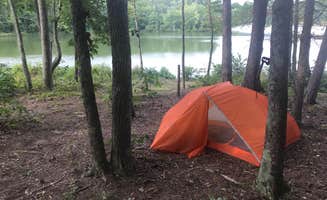
Fishing for channel catfish: Fish directly from shoreline camping areas or bring a kayak for deeper water access. A visitor to Lake Curriher Wilderness reported: "Very close to my home. I hike in to the remote campsite on the lake. Lots of fishermen... I generally tent camp at the Point, not many know of this location as it's a decent hike in."
Quartz hunting: The weathered mountains contain significant mineral deposits accessible to casual rockhounds. At Deep Water Trail Camp, one camper enthused: "The big pieces of quartz we found were gorgeous, and so was the view at the water!" The best locations for finding specimens are along water edges and recently disturbed soil.
What campers like
Off-season quiet: Winter and early spring camping offers significantly more solitude before vehicle traffic increases. A camper at Uwharrie Hunt Camp observed: "We hit this campground right at the perfect time of year, BEFORE the opening day of off-road vehicle season in April... we were the only campers in the area in early March."
Wildlife viewing: Dawn and dusk provide the best opportunities for spotting deer, turkey and other forest inhabitants. A regular visitor commented: "Lots of trails and wildlife. Stayed in 2 different spots."
Budget-friendly sites: Many camping areas in the forest offer very low or no fees. One camper at Hunt Camp pointed out: "FREE. large size nobody else here in March but I'm sure as summer rolls around it fills up more."
What you should know
Vehicle requirements: Many sites require high-clearance 4WD vehicles, especially after rain. One camper at Deep Water Trail Camp shared: "My Honda Element was on two wheels at one point but the AWD handled it like a champ. My husband used his truck to pull a Jetta and a Camry back up the hill after they got stuck."
Limited facilities: Most sites lack basic amenities. A visitor to Sandhills Campground B explained: "If you're looking for primitive, this is it. No bathrooms, no water spigots, no camp store, nothing like that. Bring all your own EVERYTHING."
Seasonal restrictions: Some campgrounds operate only during specific seasons. At East Morris Mountain, a camper noted: "This camp site is only open during hunting season."
Tips for camping with families
Accessible options: For families with young children, choose sites with easier vehicle access. At Lake Tillery Family Campground, developed facilities offer a more controlled environment than dispersed forest camping.
Pet-friendly areas: Most Uwharrie campgrounds welcome pets, making them suitable for camping with the whole family. A Deep Water Trail Camp visitor shared: "We brought our two pups & they had a blast playing & laying in the water!"
Safety planning: Cell service is spotty throughout the forest. One camper reported: "Cell service is about 1 bar for Verizon and ATT, so I will need to attempt to head out in the AM for work purposes."
Tips from RVers
Length limitations: Most forest roads cannot accommodate large trailers or motorhomes. A Deep Water camper advised: "Not for bigger rigs. I've got a 13 foot pull behind. Backed in mostly but a few could be pulled in an out."
Limited hookups: Even at more developed sites, expect minimal RV services. At East Morris Mountain, visitors find "no amenities other than a fire pit."
Seasonal considerations: Spring and fall provide the most comfortable RV camping conditions. Summer humidity can make camping without hookups uncomfortable, while winter temperatures can drop below freezing, requiring proper insulation and propane supplies.






 Guide


