Cape Lookout National Seashore spans a 56-mile stretch of the Southern Outer Banks of North Carolina, featuring untouched barrier islands accessible primarily by boat or ferry. Winter temperatures range from 35-55°F while summer temperatures typically reach 85-90°F with high humidity. Cabin camping options vary from primitive accommodations without electricity to more developed facilities with basic amenities, depending on island location and specific campground.
What to do
Beach fishing opportunities: Visitors to Cedar Creek Campground & Marina gain access to excellent fishing spots. "Miles of pristine coast. Fish were hitting 2 Klicks north of the marina," notes a camper about the abundant fishing options.
Lighthouse exploration: The historic lighthouses provide educational opportunities and spectacular views. "The lighthouse and make reservations in advance, especially during peak seasons!" advises a visitor to Cape Point Campground, while another mentions that Cape Hatteras Light serves as your "nightlight" when camping nearby.
Off-road adventures: With proper vehicle preparation, the islands offer extensive off-road trails. "We rode our 4 wheelers down the 30+ mile beach. On one end of the island there's a historic museum like town and light house," reports a visitor to Great Island Cabin Camp.
What campers like
Ocean proximity: The close beach access ranks high among visitor priorities. At Cape Hatteras KOA Resort, campers appreciate that "There are no roads to cross so the campground is oceanfront," making beach access particularly convenient for families with children.
Seasonal solitude: Visiting during off-peak times provides a more secluded experience. "We went in early October and had the beach to ourself, as far as the eye could see," shares a camper who tent camped near Great Island, highlighting the value of shoulder season visits.
Waterfront views: Sites with water views receive consistently positive feedback. A visitor to Frisco Woods Campground notes, "Many sites in this campground will be spectacular for those who like Private campgrounds... This one has some beautiful water view sites - along the Hatteras Bight, along an inlet and a pond."
What you should know
Weather considerations: Coastal storms can affect camping conditions rapidly. "Quick-changing weather" necessitates preparation for sudden shifts in conditions, particularly on more exposed islands.
Mosquito protection: Insect repellent is considered essential equipment. "Bring lots of bug spray... the mosquitos are relentless!" warns a visitor to Great Island Cabin Camp.
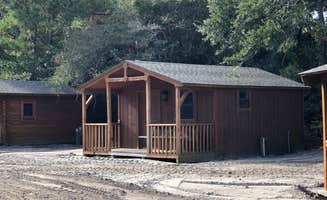
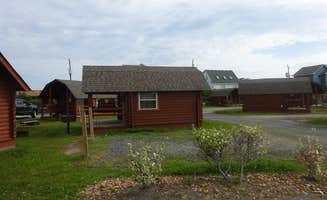
Water supplies: Water availability varies significantly between locations. At Long Point Cabin Camp, a visitor advises to "bring all drinking water," while noting that cabins are "rustic, but fully accommodating with kitchen conveniences."
Generator considerations: Noise regulations vary between campgrounds. A camper observes that Great Island cabins "have huts for generators to sit in to help with the noise," providing insight into power management options.
Tips for camping with families
Pool alternatives: Several campgrounds offer swimming alternatives to ocean swimming. Camp Hatteras features "swimming pool, basketball court, boat ramp and docks," providing recreation options when ocean conditions aren't suitable.
Kid-friendly activities: On-site entertainment keeps children occupied. "The kids had plenty of room to ride their bikes and enjoyed the jump pillow," reports a visitor to Cape Hatteras KOA Resort.
Wildlife education: The barrier island ecosystem offers nature learning opportunities. A camper at Hatteras Sands Campground mentions, "Our kids were ecstatic about the pool, spending hours there. Also, they able to kayak around the campground," illustrating the variety of activities available for children.
Tips from RVers
Site selection strategy: Waterfront sites generally provide the best experience. "The sites along the waterway would be nicest," advises a visitor to Hatteras Sands, adding practical site information.
Leveling considerations: Many sites feature concrete pads that simplify setup. "Our 36 ft pull behind fit perfectly on the concrete slab and was level without having to mess with anything," notes a Camp Hatteras visitor.
Power outage preparation: Occasional utility disruptions occur in this remote area. "Lost power a couple of times during our stay, the day we left it was out for a few hours had to use the generator," shares an RVer, suggesting backup power sources are valuable.
Road condition awareness: Interior campground roads vary in quality. At Cedar Creek Campground & Marina, a visitor observed, "The roads on the property are a little rough and could use some grading, but they have obviously had some bad weather recently that hasn't helped."







 Ranger


