Primitive camping opportunities abound throughout the foothills and forests surrounding Poland, New York. Located in the western Adirondack region, this area ranges from 1,200 to 2,500 feet elevation with mixed hardwood forests and numerous waterways. Fall temperatures typically drop to 30-40°F at night while summer can reach 80°F with frequent afternoon thunderstorms from June through August.
What to do
Water access fishing: North Lake Reservoir Campground provides excellent fishing opportunities directly on the shoreline. As one camper noted, "Very remote and secluded. We got there after dark and it was beautiful to wake up to the view of the lake. Car camped, but there was enough room for a tent."
Winter cross-country skiing: The region transforms during winter months with several state forests maintaining groomed trails. One visitor to Betty and Wilbur Davis State Park recommended, "reserve one of the winterized cabins and come for a long weekend of cozy cabin time and quiet time outdoors on the winter trails."
Wildlife viewing: Early mornings offer prime opportunities for spotting deer, foxes, and numerous bird species. Dawn hours before 7am generally provide the best viewing conditions, with clearings and lake edges offering optimal sightings.
What campers like
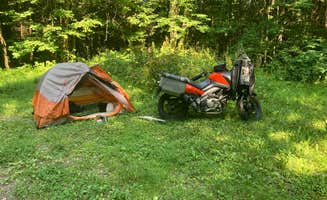
Free camping options: Budget-conscious campers appreciate the no-cost primitive sites. A camper at Charles E. Baker State Forest shared, "Beautiful forest with miles of trails. I found this spot passing through on my bike and had no problem pitching a tent in a secluded spot in the woods. There are official camp spots with water access which are also free to use."
Sand bar access: Several sites provide unique beach-like features not typically associated with mountain camping. According to one camper at Seventh Lake Primitive Camping, "There is a large sand bar within a very short walk which was a great place to hang out. Seventh lake is pretty quiet but there were a few boats there both days we visited."
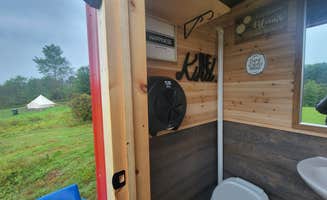
Overnight boat access: The region offers boat-in camping opportunities for paddlers. A visitor to Alger Island noted, "sites: boat only access. bring water. pack in/ pack out. lean to at sites. secluded. amenities: pit toilets."
What you should know
Fluctuating water levels: Lake and reservoir water levels can change significantly throughout the season, affecting shoreline campsite access. During late summer, some waterfront sites may be farther from the actual waterline.
Limited cellular coverage: Most tent camping areas have spotty or non-existent cell service. The canal system offers one exception, with one camper noting at E16 Canal Lock, "The Verizon signal is good in the area."
First-come availability challenges: Holiday weekends fill quickly despite remote locations. Arriving Thursday for weekend stays significantly improves site selection chances. Most campsites lack reservation systems, requiring early arrival for best spots.
Private road confusion: Several camping areas border private property with confusing access roads. Always verify correct entrance routes, as one camper warned about North Lake Reservoir, "Make sure to take a left at the start of the lake, the right is all private road and you will have to turn around."
Tips for camping with families
Educational opportunities: The nearby Farmers Living History Museum provides educational day trips during family camping excursions. The museum offers hands-on activities suitable for children ages 5-12.
Playground access: Certain sites include child-friendly features. One visitor to Betty and Wilbur Davis State Park mentioned, "There is a beautiful picnic pavilion and playground, so kid friendly."
Shallow water swimming: Areas with gradual water entry work well for younger children. Several sites feature sheltered coves with minimal boat traffic, providing safer swimming conditions for families with small children.
Duck population management: Wildlife interactions require parental guidance. A camper at Alger Island warned, "don't feed the ducks. They will never leave."
Tips from RVers
Limited hookup options: Most dispersed camping in the Poland area accommodates only smaller RVs without hookups. Cedar River Entrance Camping provides more accessibility but limited amenities. A visitor noted, "Picnic table, fire ring and several outhouses nearby. Beautiful surroundings. There is a small landing to launch kayaks or canoes."
Town supply access: RVers should stock supplies before arrival as the nearest resupply points average 20-30 minutes away. As one camper at Cedar River mentioned, "Town is about 20-30 minutes away. Several trails nearby."
Campsite size limitations: Most sites accommodate smaller rigs under 25 feet. Larger RVs may find difficulty navigating narrow access roads and limited turning radius at primitive campsites.








 Ranger


