The Kootenai National Forest in northwestern Montana spans over 2.2 million acres of dense evergreen forests, alpine lakes, and rugged terrain. Elevations range from 1,800 to 7,700 feet, creating diverse habitats and camping conditions across the forest. Winter temperatures can drop below zero, while summer days typically reach the 70s and 80s with cool nights that call for warm sleeping bags even in July.
What to do
River recreation: Access to multiple waterways near Yaak River Campground creates diverse water activities. As one camper noted, "This is such a beautiful campground with two rivers converging at it. Rocky shore but I saw so many birds flying up and down river." The converging waters provide excellent fishing opportunities.
Swimming at natural pools: The refreshing water at Yaak Falls Campground offers relief during summer months. A visitor described it as "a perfect escape" and mentioned "the short walk to the river makes for great swimming and picture taking." The natural swimming holes are popular with locals and visitors alike.
Wildlife viewing: Early mornings and evenings are prime time for spotting deer, birds, and other wildlife. A camper at Big Therriault Lake Campground shared, "Wonderful camping with a lot wildlife around. Keep an eye out and camping location clean due to the bears will visit you if not." Many sites throughout the forest provide opportunities to observe animals in their natural habitat.
What campers like
Secluded river sites: Many campers value the quiet locations directly adjacent to water. At Whitetail Campground, a visitor mentioned, "Very quiet and beautiful spot. Our site had a nice open meadow and was right next to access to the river." These riverside locations provide natural white noise for sleeping.
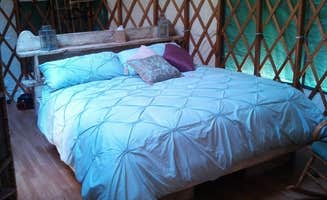
Yurt camping convenience: Yurt accommodations at several forest locations offer solid shelter with basic amenities. A camper at Yaak River Campground reported, "We stayed in a yurt it was clean and dry." Yurt camping in Kootenai National Forest provides an alternative for those seeking more protection from elements while maintaining a connection to nature.
Star viewing: The remote setting creates exceptional night sky viewing opportunities. Visitors to Big Therriault Lake Campground described "a full sky of stars every night" as part of what makes it "paradise for camping." The minimal light pollution throughout the forest creates ideal conditions for astronomy enthusiasts.
What you should know
Train noise affects some areas: While not all campgrounds experience this, some locations have nearby train activity. At Whitefish Lake State Park Campground, multiple reviews mention train disruptions: "Trains pass through regularly, all night long. It was so close that our tent shook!" Consider this factor when selecting sites near rail lines.
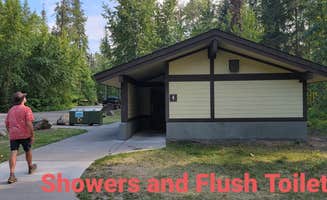
Bear awareness requirements: This is grizzly country, requiring proper food storage and wilderness awareness. Most campgrounds provide bear boxes, as noted at Yaak River Campground: "The toilets are well kept and every site has a bear box." Always follow posted guidelines for food storage.
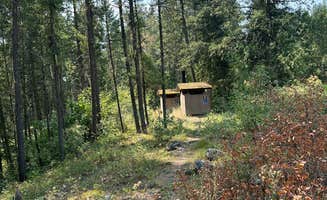
Limited facilities at remote sites: Many of the forest's campgrounds offer minimal amenities. Caribou Campground represents this type of primitive experience: "Three campsites, a gorgeous creek, and a clean vault toilet. It is close to the road but not a busy one, and the sound of the water more than covers any traffic noise." Come prepared with necessary supplies.
Tips for camping with families
Select campgrounds with open play areas: Some sites offer meadow space that works well for children. Whitetail Campground provides this feature, with a camper noting: "The site had a nice open meadow and was right next to access to the river." These open spaces give kids room to explore safely.
Consider yurt options for easier family setups: The yurt accommodations throughout Kootenai National Forest reduce setup time and provide more weather protection. Locations offering glamping or yurt options can simplify family camping experiences while still providing outdoor immersion.
Choose locations with shallow water access: Logan State Park Campground offers family-friendly water features. A visitor mentioned it's "great for dogs too" with "a nice trail to the middle Thompson." The lake access points provide safer water exploration for children compared to fast-moving rivers.
Tips from RVers
Size limitations at forest campgrounds: Many sites cannot accommodate larger rigs. At Yaak River Campground, an RVer cautioned: "We have a 20ft camper and there was no way that I could back up into any spot that I saw. Looks like it would be nice for a van camper or tent but not ideal for anything longer than that." Always check maximum vehicle length before arriving.
Consider campgrounds with hookup options: For those requiring amenities, Kootenai River Campground offers more services. A camper described it as having "about 2/3 of the sites are full hookups. Rest water and electric." These facilities allow for longer, more comfortable stays.
Prepare for limited solar power: Dense forest canopy impacts solar charging capabilities. One RVer at Yaak River Campground noted: "Deep woods feel with all the trees and shade. Solar would be a challenge." Bring alternative power sources if staying at heavily forested sites.





 Legend


