Dispersed camping near Flathead National Forest offers free options across 2.4 million acres of Montana wilderness. Elevations range from 4,000 to 7,000 feet with summer temperatures averaging 75-85°F during day and 45-55°F at night. Forest roads typically open from late May through October, though seasonal closures may occur due to logging operations, fire danger, or weather conditions.
What to do
Fishing from shore: Blair Flats provides direct river access for anglers. "Fishing is great, right out your door is the river! The water is cold and fast in May," notes Sara L. While locals sometimes fish near established campsites, most are respectful of campers' space.
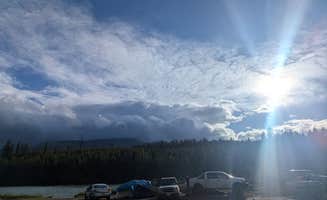
Paddle sports: North fork Flathead River serves as both campground and boat launch. "This is a moderately used launching point for floating the river so there are usually vehicles and trailers parked during the day," explains Denyel B. The area includes a designated boat ramp where many put in rafts and kayaks during summer days.
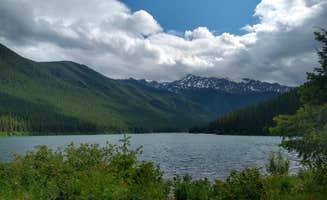
Watch wildlife: The forest hosts deer, elk, moose, and bears. At Hungry Horse Reservoir, campers report regular deer sightings. "Several deer frequent regularly," mentions one reviewer about Lost Johnny Point. Wildlife viewing is best at dawn and dusk when animals are most active.
What campers like
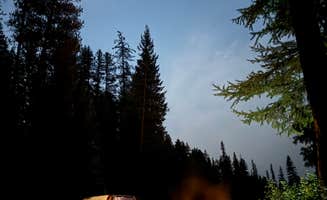
Night sky viewing: Blankenship Bridge offers exceptional stargazing opportunities. "The stars are so bright and the Milky Way seems so close you could touch it," according to Denyel B. The open areas near water provide unobstructed sky views with minimal light pollution.
River sounds: Campers consistently mention enjoying the ambient noise from water. "Great to hear the river at night," writes Chad L. about North Fork Flathead River dispersed camping. The natural white noise helps mask road sounds and creates a peaceful sleeping environment.
Privacy between sites: Skyland Rd Dispersed Camping provides well-spaced sites. "Spots are few but very spaced out for privacy. The spots were a tad small depending on your rig, just big enough for a pickup truck and tent. Really quiet and peaceful, felt like you had the whole place to yourself," explains Brianna V.
What you should know
Road conditions vary dramatically: Access to many dispersed sites requires navigating unpaved forest roads. Middle Fork Flathead River has particularly challenging access. "Road has huge and I mean huge puddles. Very tight fit for truck and trailer for sure in a lot of the spots," warns Terrie L. Many campers recommend high-clearance vehicles for accessing the best sites.
Cell service limitations: Connectivity is sparse throughout the forest. "No reliable service for Verizon," reports Noah E. about Hungry Horse Reservoir camping. At Skyland Road, another camper notes, "There was no service for Verizon." Plan communications accordingly and download offline maps before arrival.
Early arrival recommended: Popular sites fill quickly, especially during summer weekends. "We stayed at the last one on the left of the entrance. Picnic tables. Metal firepit. With a trail down to the lake," notes Summer F. about Lakeview Campground. Arriving midweek or before noon improves your chances of securing preferred spots.
Tips for camping with families
Riverside sites for swimming: During hot summer days, water access becomes essential. "The River was perfect for cooling off after being in the sun," says Nancy about North Fork Flathead. Look for sites with gradual water entry points and slower currents for safer swimming.
Bear safety precautions: GooseHead Camping Area and surrounding forest areas require proper food storage. "There is also a bear box at the end of the road," notes Renee G. about Blair Flats. Never leave food unattended, even during day trips.
Bug protection essential: Insect activity peaks in early summer. "Mosquitos were pretty bad. Might be a little lighter during another time of year. We were there mid-June," reports Snake P. Pack repellent, protective clothing, and consider camping later in summer when bug populations typically decrease.
Tips from RVers
Length restrictions apply: Ryan Road Dispersed Camping accommodates various rig sizes but with limitations. "We have a 42' trailer and thought we would give this spot a shot. There's a slightly rough dirt road to get to the camp spots. There were about 3-4 sites that could fit our RV," shares kristen. Most dispersed areas have limited turning radius and tree clearance.
Generator etiquette matters: In shared camping areas, noise considerations become important. "Generators going til 2 am and starting at 6, loud people," complains Elizabeth J. about GooseHead Campground. Most dispersed areas lack formal quiet hours, but considerate operation times (8am-9pm) are appreciated by neighbors.
Look for established parking pads: Lakeview offers "nice but small gravel parking pads" according to Annie C., who adds "wouldn't suggest bringing a trailer down here." Level parking spots reduce setup time and improve comfort during extended stays.















 Traveler


