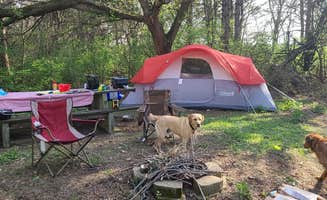
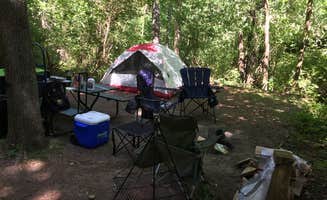
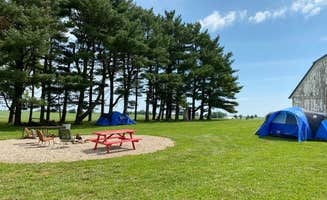
Tent camping near Wyoming, Iowa centers around the Maquoketa and Wapsipinicon River corridors, with sites nestled in eastern Iowa's mixed hardwood forests at elevations between 800-900 feet. Spring camping often features moderate rainfall with temperatures ranging from 45-70°F, while summer brings higher humidity and occasional thunderstorms that can affect river access points. The region's limestone bluffs and river valley terrain create varied microclimates across camping areas.
What to do
Fishing opportunities: At Wakpicada Natural Area, campers can fish for bass and panfish in the adjacent pond. One visitor noted, "Good bass and panfish fishing with quiet campgrounds that aren't right next to each other. I consider it a little hidden gem."
River paddling: The Wapsi River Environmental Education Center provides access to the Wapsipinicon River for kayaking and canoeing. A camper reported, "Wapsipinicon River below bluff offers paddling, fishing. Menke Observatory offers sky programs."
Stargazing: Rural locations like Jungletown Ridge provide darker skies away from city light pollution. A visitor commented, "Jungletown Ridge is perfect for those looking to get some space from others and enjoy some quiet nights int he woods."
Hiking trails: Several wildlife areas feature seasonal hiking paths through native habitats. Access varies by season, with spring and fall providing the most comfortable temperatures for extended hikes through forested terrain.
What campers like
Privacy between sites: Tent campers appreciate the spacing at Buzzard Ridge Wildlife Area, where a reviewer mentioned, "Unique hike or paddle primitive site. Native forbs and wildlife surrounding the area. Two parking sites to hike in or access by river."
Natural surroundings: The Worthington Sportsman's Club earns praise for its secluded atmosphere. One camper shared, "So secluded without being in the middle of nowhere. People driving around the pond didn't even know we were there!"
Water access: Multiple sites offer river or pond frontage for fishing and water activities. A reviewer at Joinerville County Park noted, "Maquoketa River access has hard surface access entry."
Wildlife viewing: Early mornings provide opportunities to spot deer, turkey, and various bird species at most camping areas. Pack binoculars for better viewing from your tent site.
What you should know
Seasonal flooding: Low-lying river campsites can experience quick flooding during heavy rain periods. Always check weather forecasts before camping in areas adjacent to the Maquoketa or Wapsipinicon Rivers.
Limited facilities: Most tent areas have minimal amenities. As one camper at Cedar River Campground noted, "Spots are tighter than what we prefer, but will be back again."
Reservation requirements: Some locations require advance permits. At Joinerville County Park, "CG is day use year-round though primitive camping is by approved permit application 1 month in advance of stay."
Drinking water access: Most primitive sites require bringing your own water supply. Pack 1-2 gallons per person per day, depending on cooking needs and season.
Cell coverage: Signal strength varies significantly throughout the region, with river valleys and lowland areas having particularly spotty service. Download offline maps before your trip.
Tips for camping with families
Choose sites with amenities: For families with younger children, Koch's Meadow Lake Campground offers more facilities. A visitor noted it's "a full service CG for RVs with community buildings, gravel road lanes, pet friendly, and lake access for fishing, paddling and swimming."
Pack for insects: The river corridors attract mosquitoes, particularly in late spring through summer. Bring appropriate repellent and consider permethrin-treated clothing for longer stays.
Consider noise factors: Some campgrounds near highways experience road noise. At Cedar River Campground, a camper mentioned, "Yes, you hear traffic, but it didn't bother us."
Check bathroom facilities: Pit toilets are common at more remote sites. One camper at Worthington Sportsman's Club remarked, "I was skeptical about the pit toilets but the one closest to our site was very clean!"
Tips from RVers
Limited hookup options: Many sites near Wyoming are primitive tent-focused areas. RVers should target the few campgrounds with appropriate facilities.
Access road conditions: Several campgrounds have gravel or dirt access roads that can become challenging after rain. A camper at Hidden River Campground noted, "Very rustic, older shower/bathrooms that could use an update."
RV size limitations: Most local campgrounds can't accommodate larger rigs. Sites generally work best for smaller trailers and class B or C motorhomes under 30 feet.
Seasonal availability: Several campgrounds operate within limited seasons. One camper observed, "They're open from April 15-October 15. Close to I-80 if you need somewhere to stay during your travels."





 Legend


