Dispersed camping near Deltona, Florida concentrates in Ocala National Forest, where primitive sites require planning and proper equipment. Seasonal conditions impact these areas significantly, with summer humidity above 80% and frequent afternoon thunderstorms from June through September. Winter camping (November-February) offers more comfortable temperatures but requires additional layers at night when temperatures can drop below 45°F.
What to do
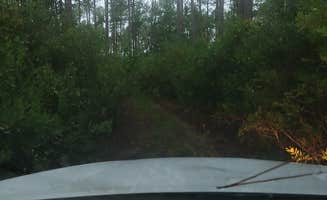
Paddling at primitive sites: Trout Lake Primitive Sites provides direct lake access for kayaking and canoeing, though visitors note the "very narrow trails" leading to the water make launching equipment challenging without preparation.
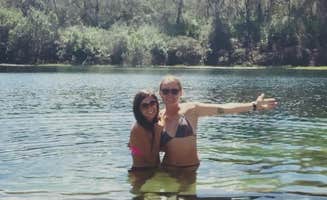
Swimming in natural springs: Blue Sink offers swimming opportunities in clear water, though reaching it requires effort as "you may need ATV or creative backpacking to get there now" since forestry service modifications to access roads.
Wildlife observation: Multiple camping areas support wildlife viewing opportunities. Freak Creek Dispersed Camping has documented wildlife including panthers, with one camper noting "I talked to another person that use to go out there and said she has seen a panther."
What campers like
Night sky viewing: St. Johns River Dispersed Spot campers appreciate the unobstructed celestial views. The riverside location creates natural clearings that improve star visibility.
Solitude in primitive settings: Freak Creek Dispersed Camping attracts visitors seeking isolation, with one camper describing it as "super secluded and quiet," noting that occasional weekend visitors "show up to party and then leave."
Lake access: Trout Lake Primitive Sites offers direct water access for fishing and swimming. The trade-off for this access is challenging terrain, with one camper warning about "very narrow tree clearance" on access roads.
What you should know
Vehicle requirements: Four-wheel drive with high clearance is essential for most dispersed sites. At Freak Creek Dispersed Camping, water crossings can be substantial as one visitor reported water "over my bumper on my lifted Mojave." The camper advises, "If you don't have 4wd and recovery gear I wouldn't risk it."
Navigation challenges: Many primitive sites have poor or non-existent cell service. At Trout Lake Primitive Sites, one visitor reported "poor cell service even with booster."
Site conditions: Maintenance varies considerably between sites. Trout Lake received mixed reviews about cleanliness with one visitor noting it was "not the cleanest but passable."
Safety considerations: Research current conditions before camping. Lake Dorr has reported safety concerns with one camper indicating they "left because it felt unsafe" after speaking with locals who "warned of violence, robbery, and killings in this area of the national forest."
Tips for camping with families
Vehicle damage awareness: Many access roads have tight clearances that will scratch vehicles. At Trout Lake Primitive Sites, one camper warns "you will leave with some new pinstripes" due to narrow tree-lined trails.
Bring all supplies: No dispersed camping areas near Deltona provide drinking water, toilets, or trash service. Plan accordingly with water filtration or sufficient containers for your stay.
Weather preparation: Summer camping requires heat management strategies and insect protection. Spring and fall offer more moderate temperatures but still require adequate water supplies.
Tips from RVers
Size limitations: Large RVs cannot access most dispersed sites near Deltona. At Freak Creek Dispersed Camping, one experienced camper advises "I would not attempt bringing a camper unless it's really small" due to narrow access roads and tight turns.
Road condition assessment: RV campers should scout roads first in a separate vehicle when possible. Many access roads deteriorate seasonally with rain creating deep ruts and water crossings.
Leveling challenges: Prepare for uneven terrain at all dispersed sites with appropriate leveling equipment and stabilization blocks.





 Guide
Guide
