Equestrian camping near Ocean View, Delaware provides access to unique shoreline and inland trail systems. Located on Maryland's eastern shore, this region offers a mix of coastal plains and maritime forest environments with elevations rarely exceeding 50 feet above sea level. Winter temperatures typically range from 25-45°F, while summer months average 75-85°F with high humidity that affects both riders and horses.
What to do
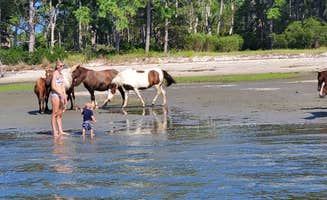
Trail riding on Assateague Island: The oceanside trails provide opportunities for beach riding while watching wild ponies. One camper noted, "Great spot for a secluded and quiet experience. I have seen horses everytime I have camped here. We always go during the winter or early spring months to avoid the bugs as they are awful during the spring and summer."
Kayaking near campgrounds: Launch from water-access points to explore nearby marshes and waterways. At Tom's Cove Park on Chincoteague Island, "If you have canoe/kayak/SUPB it is a great point to launch off to explore the nature reserve next to camp Cove. Lots of wild horses to see. Remember to bring bug spray!!!"
Fishing from campground piers: Most shoreline campgrounds offer fishing opportunities. According to a visitor at Delaware Seashore State Park Campground, "This is a popular fishing spot on the inlet. There is direct access to the beach under the bridge where there are restaurants, concessions, and other activities at the Big Chill Beach Club."
Nature photography: The wetland environments provide excellent wildlife photography opportunities. Campers regularly photograph horses, waterfowl, and coastal landscapes. "We loved watching all the different birds and seeing so many stars. The people were all very nice."
What campers like
Direct beach access: Many equestrian-friendly campgrounds offer quick access to shorelines. A camper shared, "Sites were level and sand/grass. There are many trees and reasonable separation between sites (although you can easily see your neighbors). A large picnic table and fire ring complete the site. Our site had a water view and was peaceful."
Wildlife viewing opportunities: The chance to see wild horses in their natural habitat ranks highly. At Assateague Island National Seashore Oceanside Campground, "Wild horses meandering through daily. Some sites are more private than others- some not private at all, so carefully review the map and the images when booking. Very friendly and chill vibe. Amazing stars, beach and bay."
Uncrowded off-season camping: Winter and early spring provide less crowded experiences. "We camped here several years ago but in the off-season, and wanted to kayak among the bald cypress trees (I highly recommend this). Glad we came back!"
Multi-use trail systems: Many sites connect riders to both beach and forest trails. "We took a ride over to the ocean camp sites and found some horses! Worth a stop just for the simplicity of it all!"
What you should know
Insect preparation essential: Mosquitoes and biting flies can be severe, particularly in summer months. At Bayside Assateague Campground — Assateague Island National Seashore, "Love this place but be prepared for the bugs. Even enjoyed this in the winter."
Horse containment requirements: Most equestrian campsites require portable containment systems rather than permanent corrals. High-lines are commonly used, and some sites have restrictions on tethering methods.
Wind exposure affects camping comfort: Coastal sites experience significant wind. "Prepare for wind. Check the weather a lot because the storms roll in quickly. Facilities are simple but fine enough. The stars are night sky are gorgeous if it is clear."
Trail conditions vary seasonally: Sandy paths can become difficult after rainfall. Riders should check with rangers about current trail conditions before heading out on multi-mile rides.
Water availability fluctuates: While most campgrounds provide water access points, riders should carry additional water during hot periods. Natural water sources may be brackish or unsuitable for horses.
Tips for camping with families
Free bike rentals available: Some parks offer complimentary bicycle use. At Trap Pond State Park Campground, "Bike rentals are free (donations accepted), there are several hiking/biking/horse trails, disc golf, and canoe/kayak/peddle boat rentals (in season)."
Educational wildlife programs: Many campgrounds offer ranger-led activities. "If you have kiddos, try and get a site in Loop A – there is a nice and educational play area (plus a game I'd never heard of– Gaga ball)."
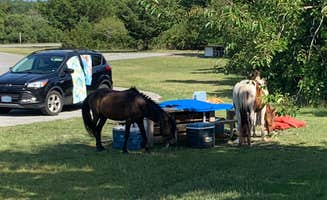
Safety around wild horses: Teach children proper wildlife distance protocols. "The Ponies are giant trash pandas. They're smart and can open latches so do bring bungee cords, kayak straps, or ratchet straps to lock all of your food in cases or coolers."
Weather preparedness: Coastal storms can develop quickly. "We got woken up by terrible thunderstorms, but that is not the campground's fault. By Monday night, we nearly had the tent camping area to ourselves."
Tips from RVers
Limited hookup availability: Many equestrian-focused campgrounds have limited RV hookups. At Martinak State Park Campground, "Sites do not have sewer but does have dump. Great park that offers alot!"
Levelness varies by site: Reserve carefully based on rig size. "Easy to navigate through with a trailer. Nice trails and playground. Bathrooms were like brand new. Water and electric on our loop."
Parking logistics for horse trailers: Most equestrian sites require separate parking for living quarters horse trailers. Some parks have designated trailer parking areas away from camping sites.
Generator restrictions: Most parks limit generator use hours. "No electric and generators are only allowed until a certain time at night. We've been twice so I guess you could say we liked it."




 Guide
Guide


