The Plumas National Forest campgrounds typically operate between May and October at elevations ranging from 4,500 to 7,500 feet. Mountain weather conditions can change rapidly, with temperatures dropping significantly after sunset even during summer months. Forest roads vary widely in condition, with some requiring high-clearance vehicles to access more remote campgrounds.
What to do
Hiking to nearby lakes: Sardine Lake connects to trails offering views of surrounding granite peaks. "There is plenty of hiking and fishing around and it is such a peaceful place to relax and read a book. I would recommend hiking up to the Buttes if you're looking for a challenge," shares Hannah O. The trail to Upper Sardine Lake takes about an hour round trip.
Morning paddling: Early hours provide the calmest water conditions for non-motorized boating. "The lake is calmest in the early morning and at sunset, perfect for a SUP," notes Samantha V. about Gold Lake 4x4 Campground. Most lakes in the area restrict motorized boat use or have speed limits.
Off-roading access: Some camping areas require navigation over rough terrain. Jake R. explains, "The trail in isn't very challenging, the first rock section is a good 'gatekeeper' if you will. My 4runner made it in fine, small lift and 33's." This limits traffic and creates more secluded camping experiences.
What campers like
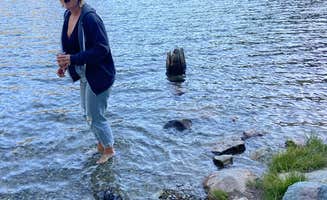
Natural swimming spots: Union Flat campground offers river access with natural pools. "The swimming hole was awesome. This campsite is about 15 minutes from Downieville," reports Kristin P. These swimming areas provide relief during hot summer days without the need to drive elsewhere.
Evening stargazing: Clear mountain nights offer exceptional astronomy viewing conditions. Kiley S. from Plumas-Eureka State Park Campground notes, "The moonlight that night was insane! We had full shadows." Light pollution is minimal throughout most camping areas.
Wildlife viewing: Many campgrounds provide opportunities for animal sightings. Kelly S. shares, "A mtn lion lives near by saw him once at dusk while walking my dog along the trail toward the mine he was drinking water and we surprised him." Campers should maintain awareness of their surroundings, especially during dawn and dusk hours.
What you should know
Insect activity: Bug populations increase near water, particularly during warmer months. "The one problem with being right by the lake is all the bugs!!!!" warns Suzie S. about Gold Lake. Bug repellent and screened shelters are recommended for lakeside camping areas.
Campground navigation: Roads within some campgrounds can be challenging. Stacie L. describes Red Feather Campground: "The drive into the campground is nerve wracking. We are from northern California so we are usually fine but bumpy roads. But towing a trailer I was surprised to find the drive in was partially on a gravel road."
Campsite availability: Popular sites fill quickly, especially during summer weekends. "The sites are not available for reservations so you will need to get there mid week to get a prime spot," advises Audrey C. about Gold Lake. Many campgrounds operate on first-come, first-served basis during peak season.
Cell service limitations: Most forest campgrounds have no cellular connectivity. Sienna L. notes, "There is absolutely no cell service, so it was the perfect place to unplug and relax." Emergency communications may require driving to higher elevations or nearby towns.
Tips for camping with families
Kid-friendly swimming areas: Sand Pond near Sardine Lake provides safe swimming for children. Dani P. reports, "Family filled campground with many spots. Just down the road from Sardine Lakes and Sand Pond, which are great for fishing and swimming."
Accessible hiking options: Multiple trails accommodate various skill levels. "We hiked up to Jamison Lake, which was a good 3 miles each way starting from the campground," shares Luna F. from Plumas-Eureka State Park. Trails often connect directly to campgrounds, eliminating the need for additional travel.
Rainy day alternatives: Weather can change quickly in mountain environments. "There's a museum on site at the check-in area," Luna F. mentions about Plumas-Eureka State Park. Having indoor backup activities helps during unexpected weather changes.
Camp spacing considerations: Movin' West RV Park provides family-friendly layouts. Corinne D. describes, "The kids scootered and rode bikes along the camp roads, and drivers were cautious and patient." However, some campsites offer limited privacy between neighbors.
Tips from RVers
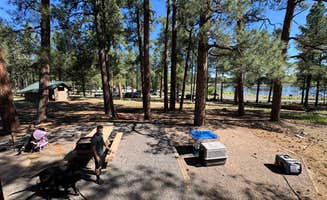
Site leveling requirements: Many forest campgrounds feature uneven terrain. According to Stacie L., "Lots of sloped sites in this campground so be aware." Bringing leveling blocks is recommended even for established campgrounds.
Access road conditions: Several campgrounds have entry roads that challenge larger vehicles. "Once we got in there, the roads inside the grounds are tight so not sure how bigger rigs would handle it," warns Stacie L. about Red Feather Campground. Calling ahead for current road conditions can prevent access issues.
Water and power access: Most forest campgrounds lack hookups. Angela G. notes about Clio's River Edge, "Most were 30 amps and upper level had some 50 amps. Lots of back ends and pull throughs." RVers should arrive with full water tanks and charged batteries for dry camping locations.












 Legend


